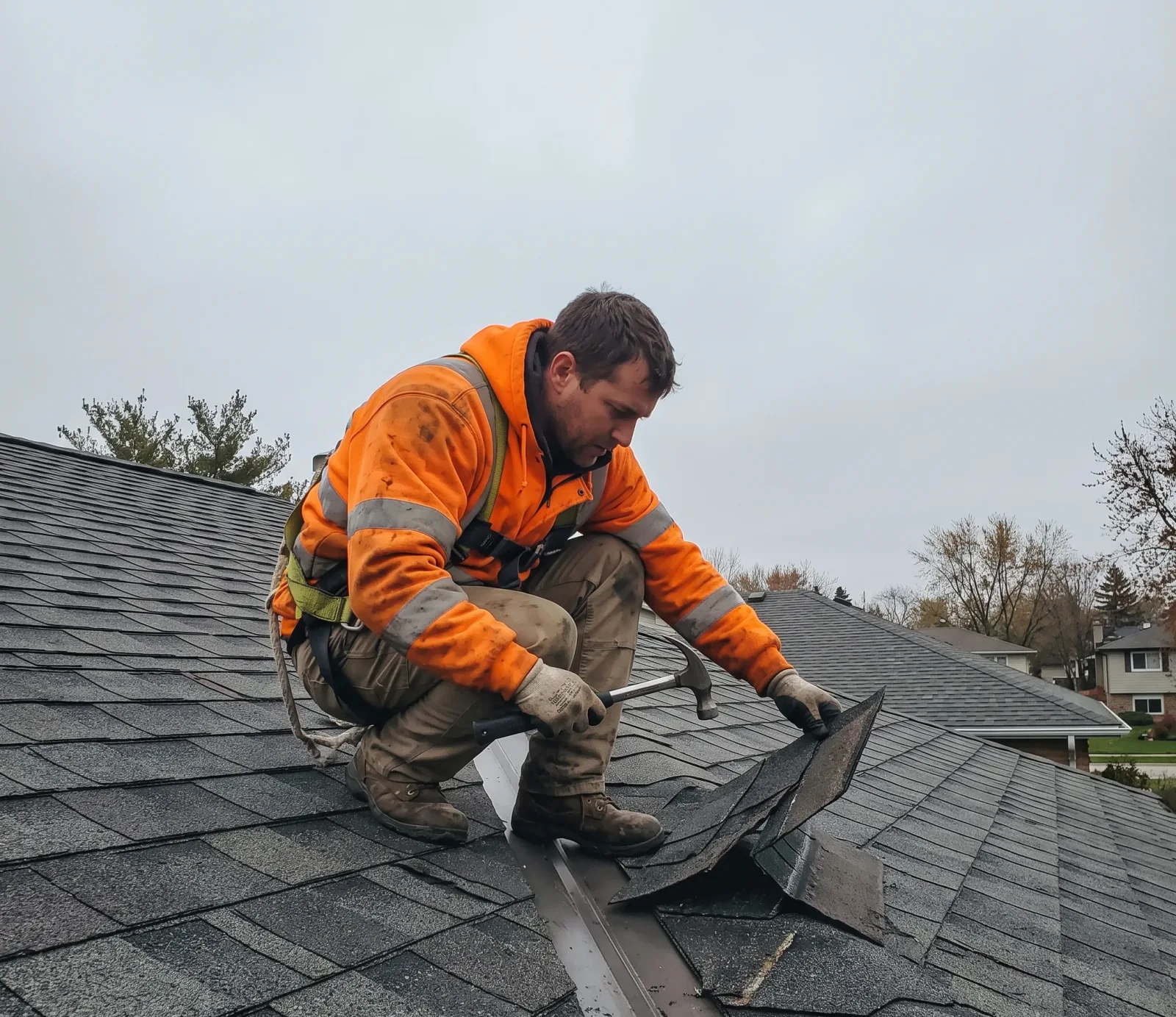
Storm & Flash Flood Damage Restoration
Fast tarping, board-up, and water extraction from licensed local pros after Austin storms and flash floods.
Learn about Storm & Flash Flood Damage RestorationFormer Bergstrom Air Force Base land, closed 1993, mixing older base housing with newer slab-built infill near the airport.
The Austin-Bergstrom Airport area sits on what used to be Bergstrom Air Force Base, closed in 1993 before the airport opened here in 1999. That history left a patchwork behind: older post-WWII base housing standing next to newer industrial buildings and residential infill, almost all of it on slab foundations. Southeast Austin's flat terrain near US 183 doesn't drain the way hillier parts of the city do, so heavy Hill Country storms can sit on these lots longer before runoff clears. Water finds the seams in a concrete slab that's shifted over decades of clay soil movement, and older base-era plumbing adds another failure point once water gets under the structure. If your home or unit here has taken on water, the licensed pros we connect you with can be reached anytime, day or night.
Expansive clay under Austin shifts with rain, cracking slab foundations from Zilker to Mueller and letting water into the house.
Standing water in an Austin home almost always means a slab, not a basement — flat lots near Mueller or Windsor Park hold surface water at the door before it ever finds a below-grade room, because that room doesn't exist. The real threat here is water working under the slab itself, through cracks clay soil movement opens up over time.
The ground around Onion Creek and Colorado River stays saturated well into the warm months. Moisture is part of the damage problem here rather than a separate issue, because structural drying and correcting drainage often does more than any surface treatment would on its own.
Central Texas humidity keeps wet drywall and flooring damp for days after a storm or a burst pipe. This flat southeast stretch near the airport doesn't shed runoff the way sloped parts of Austin do, so standing water lingers. Every season around Austin brings its own way for water to get in. Spring runoff near the Colorado River, summer humidity in older Tarrytown homes, and a rare hard freeze all end the same way: a call for help.
Sites like Airport-area logistics firms mean plenty of tenanted and mixed-use buildings in Austin-Bergstrom Airport area. In those, access coordination is half the job — work fits around occupancy, and each visit leaves a written record.
A slab leak near Zilker or Mueller runs higher than a Hyde Park pier-and-beam crawl space, since reaching water under concrete takes more work than drying an open void.
| Service | Estimated cost |
|---|---|
| Storm & Flash Flood Damage Restoration | an estimated $2400–$12000 |
| Burst Pipe & Supply Line Water Damage | an estimated $800–$3500 |
| Mold Remediation | an estimated $599–$4500 |
| Emergency Water Extraction | an estimated $450–$1600 |
Austin-Bergstrom International Airport anchors this area, built on the site of the former Bergstrom Air Force Base that closed in 1993.
US 183 crosses through here on its diagonal path toward the airport, one of the main roads residents use to reach this part of southeast Austin.
State Highway 71 runs east-west through this stretch of South Austin, connecting the airport area toward downtown and Bastrop.
Fast tarping, board-up, and water extraction from licensed local pros after Austin storms and flash floods.
Learn about Storm & Flash Flood Damage Restoration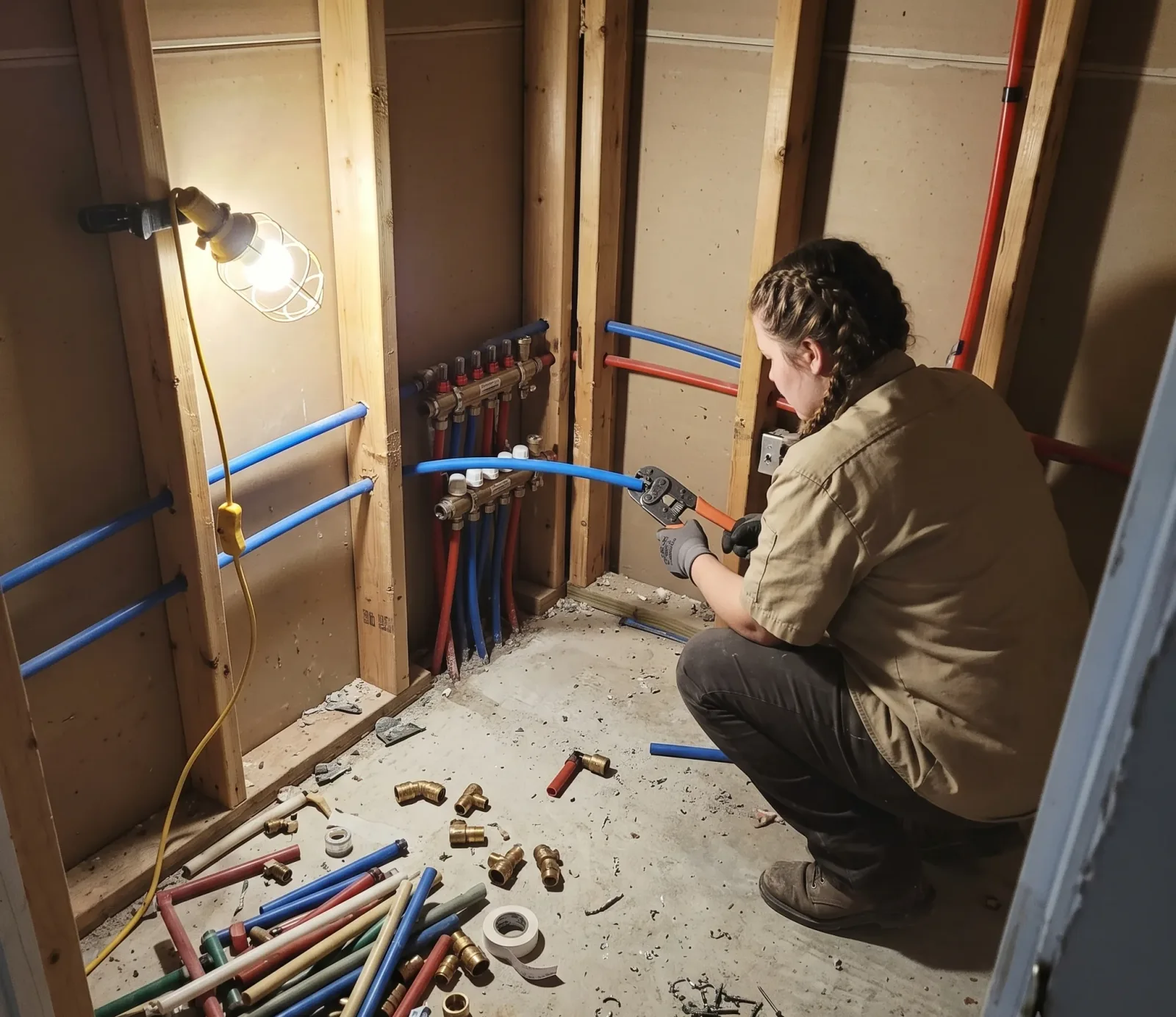
A supply line fails inside the wall, and water spreads before you see it. Call (512) 764-6583 now.
Learn about Burst Pipe & Supply Line Water Damage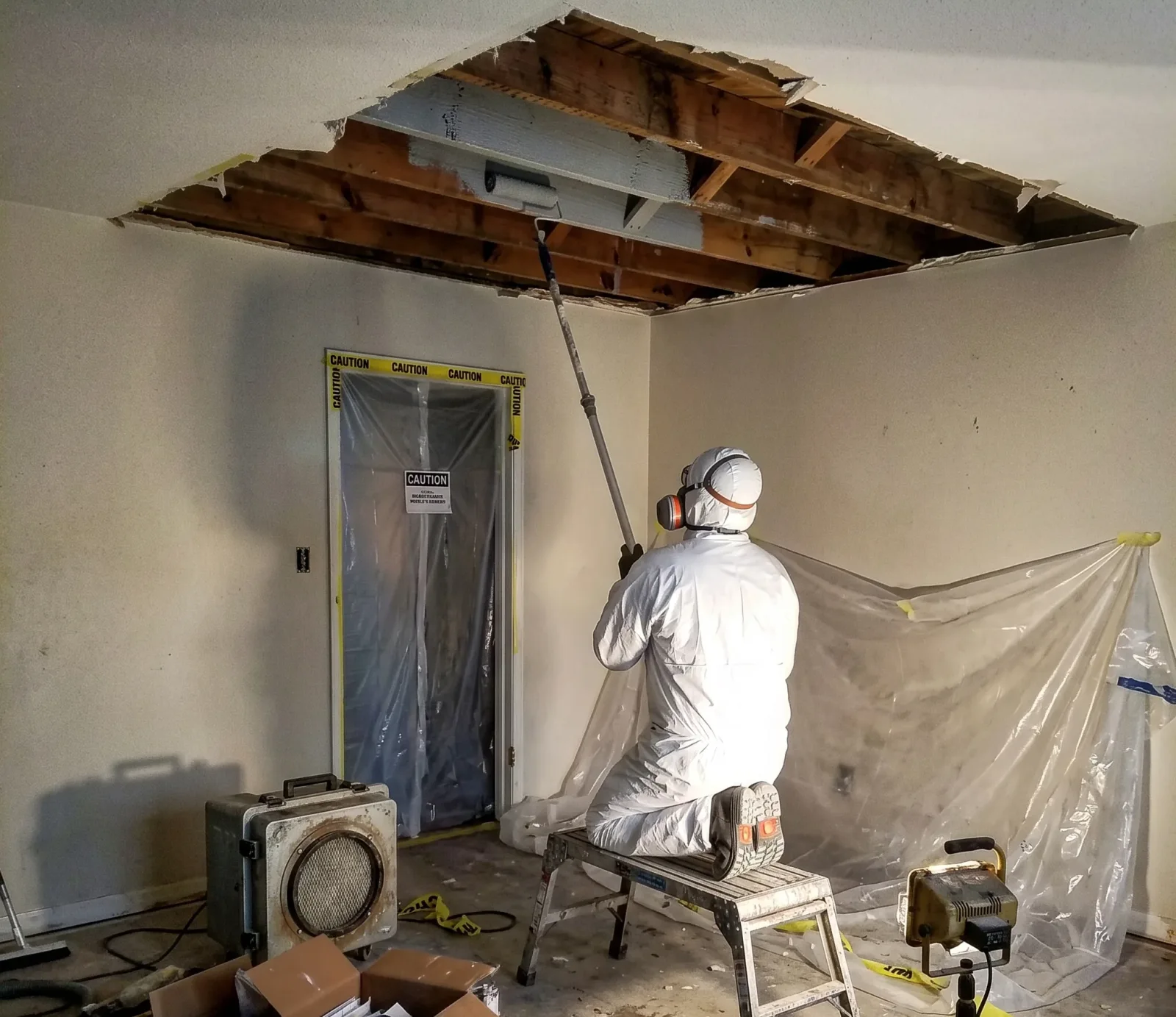
Sealed containment and full source removal for active mold after a leak. Call (512) 764-6583 now.
Learn about Mold Remediation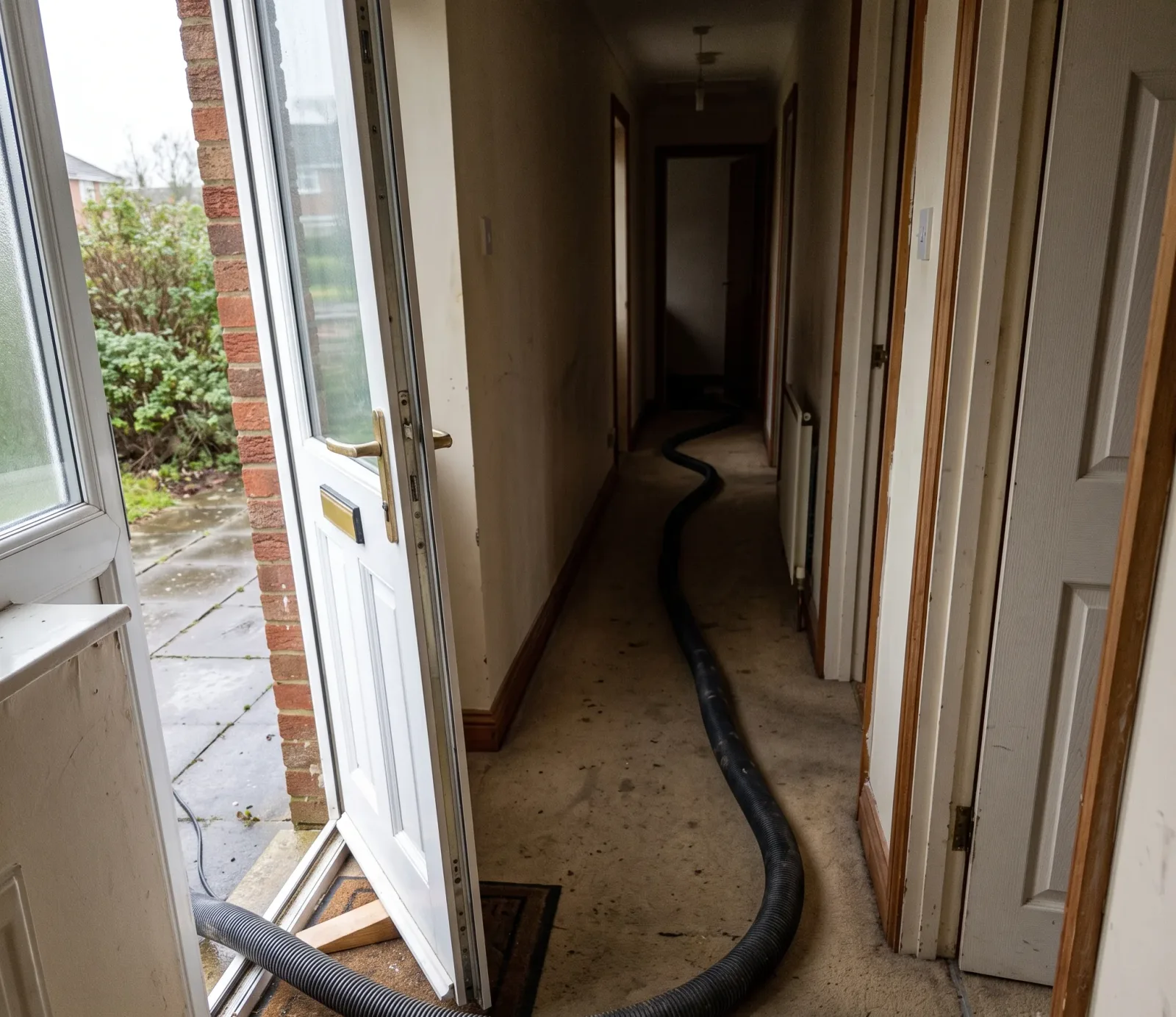
Standing water in your Austin home or business? Call now and get a local licensed pro on the water fast.
Learn about Emergency Water ExtractionYes. This area near Austin-Bergstrom International Airport gets dispatched as an emergency call through the referral network, day or night, whether it's a slab leak or storm runoff after heavy rain.
Homes near the airport are slab-on-grade, whether they're older post-WWII base housing or newer infill built after the airport opened in 1999. There's no crawl space or basement underneath. Water from a burst pipe or heavy rain moves across the floor level and soaks in from below, not down into a lower level.
No. This area was built on former Bergstrom Air Force Base land, and homes here sit on slab foundations, not basements. There's no below-grade space to fill with water. Flooding here means standing water spreading across the ground floor, not water pooling in a basement.
This area's flat southeast layout means rain lingers instead of running off quickly, and older base-era homes sit on slabs that have already shifted with the clay soil. Cut power to any affected outlets if you can do it safely, keep off the wet flooring, and call for an inspection before moisture works into the walls.
It can, especially with older base-era housing where materials have decades on them. TDLR-licensed mold remediation matters once an area gets past a certain size, so ask about licensing before work starts.
South Austin and East Cesar Chavez sit close enough to the Colorado River corridor that a big rain event can raise groundwater pressure against a slab from below. That kind of intrusion often shows up as a damp floor with no obvious source.
Not every part of Austin drains the same way once a Hill Country storm lets go. Ground that slopes toward Waller Creek moves water differently than a flat stretch near Windsor Park, and that difference shows up in how fast a slab foundation takes on moisture. The pros who work this area regularly notice patterns a citywide description misses. That local detail is why one area's water damage story rarely matches its neighbor's, even a few streets over.
Call (512) 764-6583