Water Damage
How TX Humidity Affects Water Damage Drying Time
Warm, wet outdoor air near the Colorado River leaves less room for indoor moisture to go anywhere. Here is why that changes how long a dehumidifier has to run in Austin.
Read article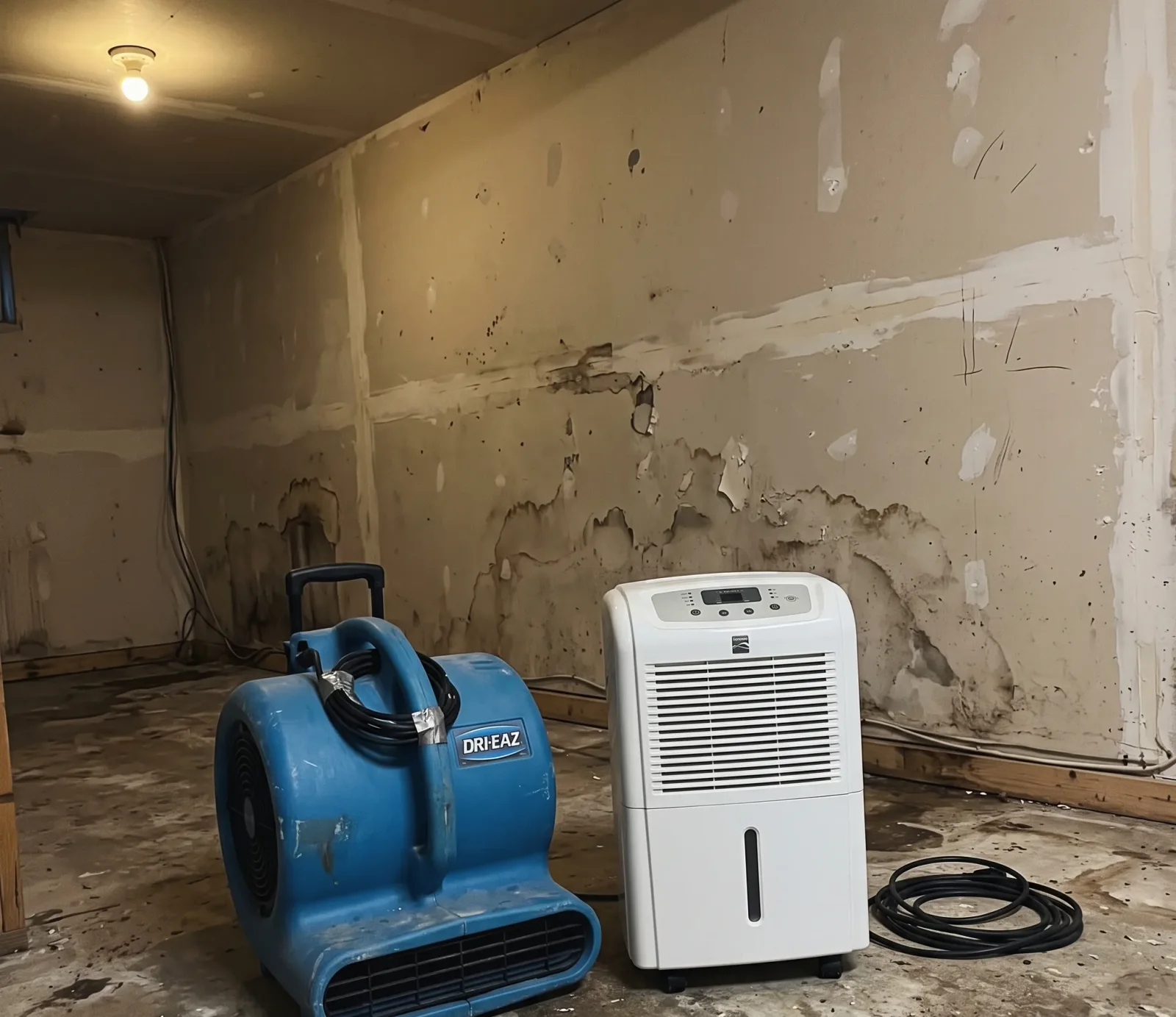
Licensed pros dry your home with daily moisture readings, not guesswork. Call (512) 764-6583 now.
Structural drying Austin, TX homes need pulls trapped moisture out of drywall, framing and subfloor with air movers and a dehumidifier. Central Texas humidity keeps that moisture from leaving on its own, and a slab foundation traps it against the framing.
The licensed pros we connect you with log moisture readings before touching anything, then again every day. Don't wait: wet framing keeps holding water after the surface feels dry.
The best drying and dehumidification services pair air movers with an LGR or desiccant dehumidifier and keep going until every wet material matches a dry reference point.
Equipment is sized to Austin's summer humidity and adjusted as the daily readings move. Standing water comes out first through emergency water extraction, then drying starts.
Wet drywall removal is needed when readings stay high and the studs behind the Sheetrock can't be checked or dried in place.
A penetrating meter pushed into the studs shows whether the wood is still wet. Skip that reading and drying stalls, dry standard slips, and the job runs long.
A moisture specialist is a local licensed pro who maps wet drywall, framing and subfloor with a moisture meter and a penetrating meter before any equipment goes down.
A dry reference point elsewhere in your home sets the target, so your room is judged against its own materials.
Want to know what drying costs? Check our pricing guide.
A building damp specialist finds where moisture is hiding in your walls, framing and subfloor and dries it out on purpose.
Austin's slab-on-grade homes hold moisture differently than raised, framed houses. Water from a slab leak can wick into drywall and baseboards for days before anyone catches it.
A moisture meter in exposed studs can read wet long after the floor looks dry. Framing holds water inside the wood fiber, and that number has to drop before drying stops.
Studs that swelled and shrank without proper drying show a ridge pattern where fibers separated. Older framing is more likely to show it if a prior leak was never fully dried.
A subfloor that still gives underfoot days after the water is gone is holding moisture your eye can't judge. A penetrating meter checks the wood itself, not just the surface.
A moisture meter and penetrating meter check drywall, framing and subfloor in every wet room. A dry reference point elsewhere in the home sets the target.
Air movers speed evaporation while an LGR or desiccant dehumidifier pulls the moisture out of the room, sized to Austin's summer humidity.
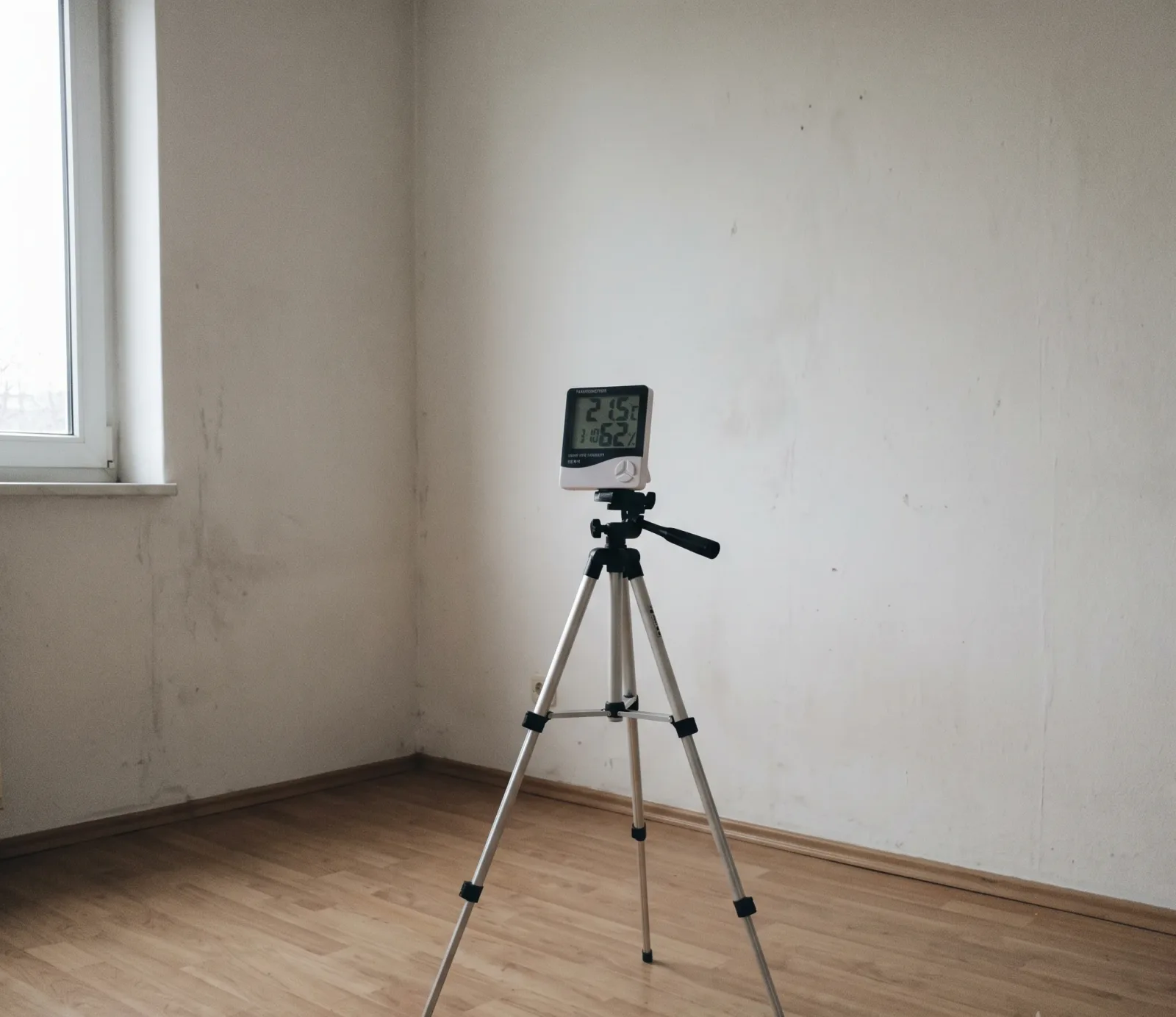
A thermo-hygrometer and moisture meter track humidity and moisture content each day. Equipment gets adjusted as the numbers move.
Once readings match the dry reference point in every material, the drying setup comes down. The log is ready for insurance review.
Austin's slab-on-grade homes hold moisture differently than raised, framed houses, and Central Texas humidity slows how fast it leaves once drying starts. Call now so a slab leak or spill doesn't keep wicking into your walls.
Dry standard means affected framing, drywall or subfloor matches an unaffected reference area in the same house, not a number from a chart. Your room is judged against its own materials.
Daily readings with a moisture meter and thermo-hygrometer show how the drying area is trending. Relative humidity and moisture content have to reach the goal, not a set number of days.
A clear estimate near South Congress should list extraction, drying equipment days, and any materials pulled out, so the total makes sense. Whether a burst line or floodwater from outside caused it can also change what your insurer will cover.
| Crawl Space Check | Drying Method | Who Handles It |
|---|---|---|
| Cost here depends on how far water traveled under a slab foundation near Zilker versus a quick cleanup after a hard freeze burst pipe in Allandale, plus how much drywall gets replaced. | Austin sits on a fault line of ground itself: limestone shelf to the west, Blackland clay to the east. That clay shifts with every wet spell, cracking slab foundations from Windsor Park to Onion Creek. Add a Hill Country downpour backing up Boggy Creek, and water finds the same slab seams every time — not once, repeatedly. | an estimated $1020–$4725 |
| Reconstruction cost depends on finish level and how much floor area gets rebuilt, from patching one wall to replacing flooring throughout a house. A Cherrywood bungalow scopes differently than a Mueller new-build with the same water depth. | Austin's post-tension slabs sit on clay that swells and shrinks with every rainstorm, and that movement cracks slab joints long before anyone notices a leak. A kitchen near South Lamar or a bathroom in Hyde Park can soak the subfloor for weeks before the flooring finally bows. | an estimated $1200–$6750 |
| Matches a burst pipe from a hard freeze that sat against drywall and slab longer than one visit can fix, needing equipment left running with repeat checks over the following days. | Austin sits on clay soil that shifts under a slab foundation, and once a pipe or a Hill Country storm gets water underneath, it doesn't stay put. It migrates from Zilker toward South Lamar, wicks up drywall, and settles into places you can't see until the smell shows up. | an estimated $1800–$10800 |
| Finishing a job in Travis Heights or Mueller means new flooring, baseboards, and paint matched to what survived, priced against how much of each room actually got torn out. | Austin's slab foundations mean water rarely stays where it lands. A kitchen leak in Hyde Park travels under drywall along the slab edge before anyone spots a stain, so square footage tells you less than how long the water moved before you noticed it. | an estimated $2880–$18000 |
A quote that skips hidden moisture under slab-set flooring almost always costs more once walls come open. Expansive clay soil common around Austin can mask a slower leak, so the estimate you get by phone rarely matches the one after inspection.
Dry standard means moisture in the wet drywall, framing or subfloor matches a dry reference point taken elsewhere in the same home. Readings are logged daily until the two numbers line up, not until the surface feels dry.
If daily readings stop trending down, an LGR or desiccant dehumidifier may need to be added or moved. A stall usually means the humidity load is higher than the equipment can handle.
High humidity outside cuts the vapor pressure difference that pulls moisture out of wet materials. In Central Texas, a dehumidifier has to work harder to keep the air dry enough for evaporation to continue.
Yes. A drying log records daily moisture meter and thermo-hygrometer readings for each room, showing the trend toward dry standard. An insurance adjuster reviews that log to confirm the work was finished.
Every property is different, so the only accurate number comes from a quick inspection. That said, most structural drying jobs in Austin run an estimated $1200–$4500 per treatment, depending on the size of the property and how severe the problem is. Pricing is confirmed in writing before any work begins, and our rates tend to sit a little under the typical local going rate.
Pier-and-beam homes with a real crawl space still show up in older sections like Hyde Park and Clarksville, sitting alongside newer slab construction a few streets over. A crawl space traps standing water and humidity long after a Hill Country storm passes through.
Warm, wet outdoor air near the Colorado River leaves less room for indoor moisture to go anywhere. Here is why that changes how long a dehumidifier has to run in Austin.
Read article
Water-damaged rooms in Austin often need to be emptied before drying can start. Here's how that inventory, packing, and storage process actually unfolds.
Read articleThis page covers one piece of a larger response, because water damage in Austin almost never stays contained to a single system. A slab leak from clay soil movement can reach flooring, drywall, and electrical in the same afternoon, and drying one without checking the others leaves a problem behind. The licensed pros we connect you with look at what the water actually touched, from Zilker to Windsor Park, before deciding what this particular step requires.
Call (512) 764-6583