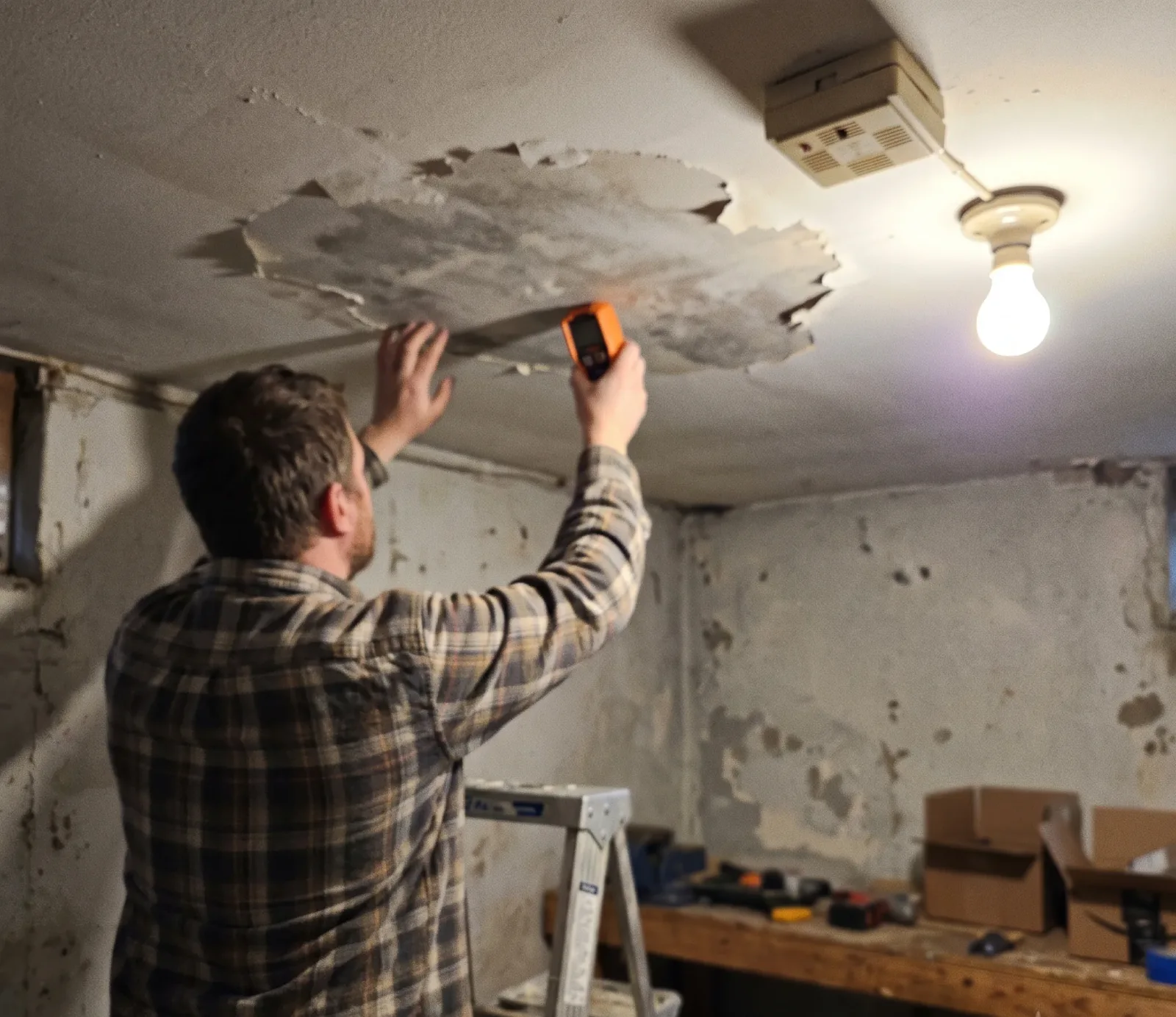
A hard freeze burst pipe in Tarrytown or a flash flood in Onion Creek both end the same way: soaked furniture, boxes, and electronics have to leave the house before drying equipment can run. That process has a name, pack-out, and it follows a pattern most Austin homeowners never see until they need it. Knowing the steps ahead of time makes the day less confusing.
Why Belongings Have To Move
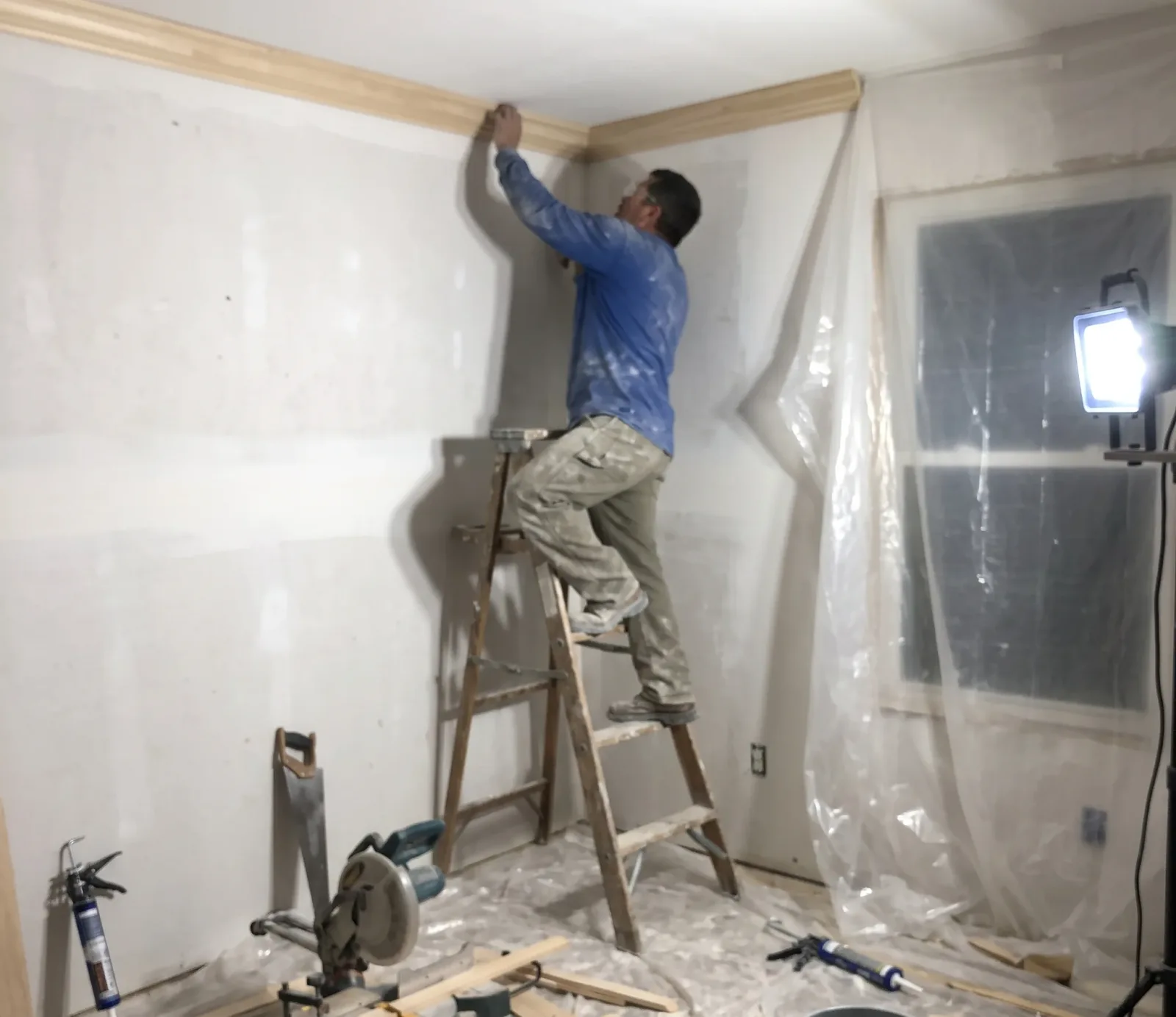
Drying a slab foundation home means opening walls, pulling baseboards, and running equipment for days at a time. Furniture and boxes left in the room block airflow and slow that work down. Moving items out of a wet Austin home isn't about the belongings being ruined, it's about giving the crew room to dry the structure itself without stepping around a couch.
Writing Down What Leaves
Before a single box leaves a Cherrywood or Hyde Park bungalow, someone walks the rooms and writes down what's there. Furniture, electronics, boxes of files, each gets a line describing what it is and roughly what shape it's in. That record becomes the reference point for everything that happens next, since items are gone from the house for weeks, not hours.
Tags That Track Each Piece
On a bigger job, a written list alone gets hard to manage once dozens of boxes are moving at once. Barcode tags stuck to boxes and furniture solve that by giving each piece a number that scans in when it leaves and scans out again later. A homeowner in Mueller or Windsor Park with a full house of contents benefits most from this level of tracking.
A Record Before Anything Moves
Cameras come out before hands do. Photo documentation captures a couch, a bookshelf, a box of kitchen items exactly as it sat before anyone touched it, which matters if a question ever comes up about a scratch or a stain. For an Allandale or Crestview household filing an insurance claim, that photo record backs up the inventory sheet rather than replacing it.
Building A Box Around Fragile Pieces
A dresser or a framed piece of art from a Clarksville craftsman home doesn't travel in a cardboard box. Crating means building a wood frame around the item, padded on the inside, so it can be lifted and moved without the corners or glass taking the impact. Anything oversized or delicate from a Travis Heights or Rosedale home tends to get this treatment before it ever leaves the driveway.
Keeping Items Steady Off-Site
Once packed, most contents go into climate-controlled storage rather than a garage or a trailer parked outside. Central Texas humidity swings hard between a June downpour and a dry August week, and wood furniture or paper records left in a fluctuating space will warp or mildew even after the original water damage is gone. A steady temperature and humidity level protects items for however long repairs at the South Austin or Mueller property take.
Handling Devices Separately
A laptop or a smart TV pulled from a flooded Windsor Park living room shouldn't be turned back on right away. Electronics restoration treats circuit boards differently than fabric or wood, since powering on a wet device can push a short circuit deep enough to ruin it. Devices get set aside, checked, and dried under conditions built for that kind of equipment instead of sitting in a general storage pile.
Cleaning Fabric And Soft Goods
Curtains, rugs, and upholstered chairs hold onto moisture and odor longer than a wood dresser or a metal lamp does. Textile cleaning handles those pieces on their own track, since fabric that gets packed away damp can grow a musty smell that never fully airs out. A household in North Loop or Brentwood with a lot of soft furnishings usually sees this step take longer than the rest of the pack-out combined.
Cleaning The Rest Of The Contents
Hard-surface items get their own path through content cleaning, separate from fabric and separate from electronics. A kitchen drawer full of utensils or a shelf of ceramics from an Oak Hill or Zilker home often needs more than wiping down, and small grooved pieces like jewelry or figurines are sometimes run through ultrasonic cleaning, where sound waves moving through a liquid bath work grime out of spots a cloth can't reach.
Getting Everything Back Home
Once the drywall is patched and the floors are back down, the pack-back starts. Every crate, box, and tagged furniture piece comes out of the warehouse and gets checked against the original inventory sheet before it's set back in place. A family returning to a home in Circle C Ranch or Steiner Ranch after weeks away is really just watching that list get closed out room by room.
What To Ask Before It Starts
A homeowner facing a pack-out for the first time can ask a few things upfront: where items will sit while the house dries, how the inventory gets shared, and what happens to anything too damaged to save. Getting those answers before boxes start moving out of a River Place or Jollyville home makes the weeks that follow easier to plan around.
Dealing with this in your home?
Austin's clay soil expands after rain and pulls back tight in a hard freeze, so a post-tension slab near Zilker can crack years after the pour. Add Hill Country storms that dump inches in an hour, and Shoal Creek pushes water toward homes that never flooded before.