Local & Seasonal
Renting Out an Austin Home? Know the Water Damage Risks
Rental properties carry water damage risks an owner-occupied home does not. Here is where the exposure comes from for Austin landlords, and why it grows unnoticed.
Read article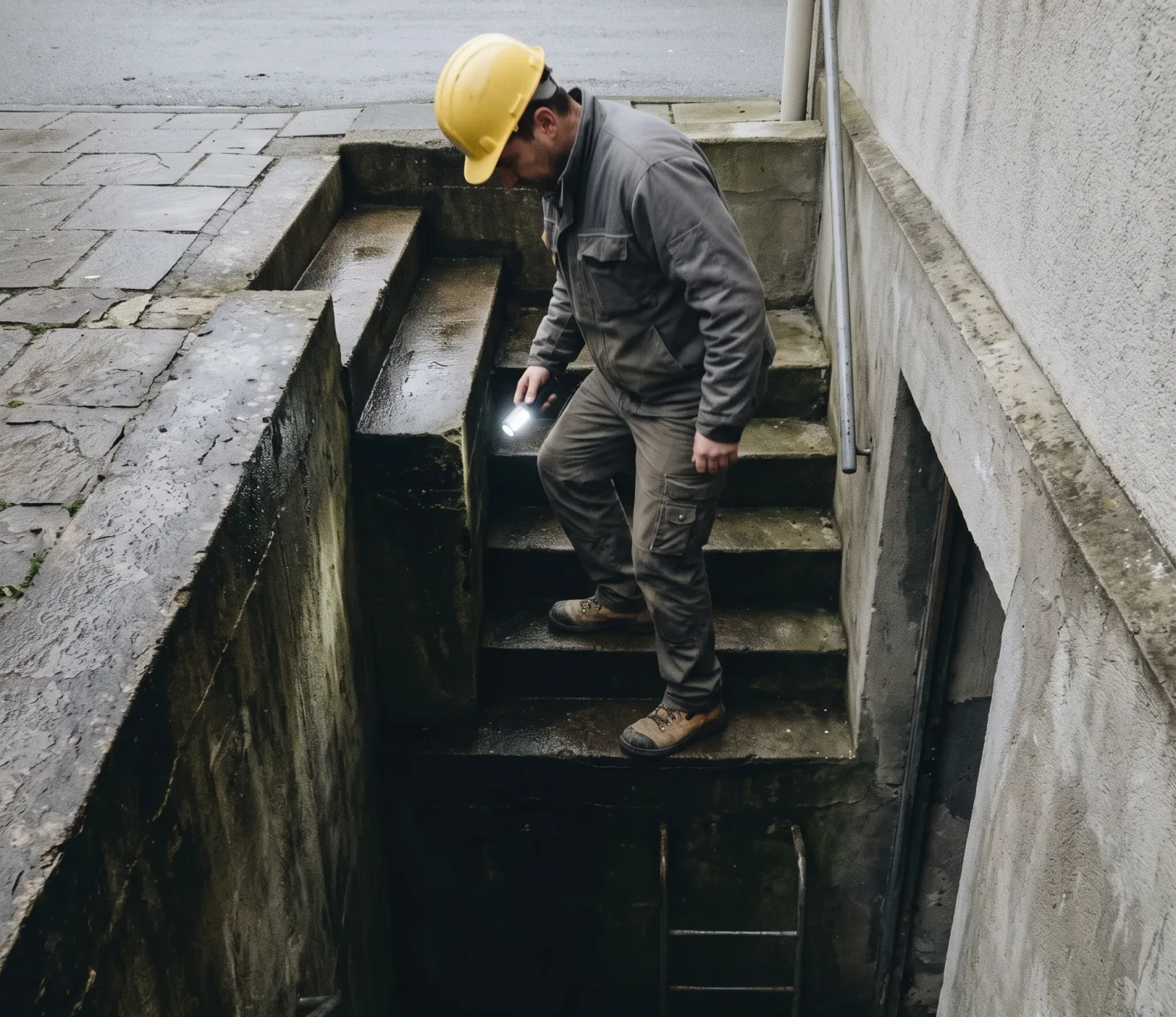
These guides walk through what happens after a slab leak shows up near Zilker or a hard freeze splits a pipe in Crestview. Austin's clay soil and sudden Hill Country storms create damage patterns that don't match generic advice.
A homeowner in Hyde Park with a post-tension slab crack faces different repair steps than a landlord near UT Austin Campus managing a tenant's flooded unit. Austin's mix of older Travis Heights houses and newer Mueller construction means the right answer depends on the building.
One reader wants to know if a claim will be paid before Austin Water shuts off a line; another is deciding whether TDLR-licensed mold work is required after standing water sat for days near Boggy Creek. These guides separate those questions instead of blending them.
Rental properties carry water damage risks an owner-occupied home does not. Here is where the exposure comes from for Austin landlords, and why it grows unnoticed.
Read article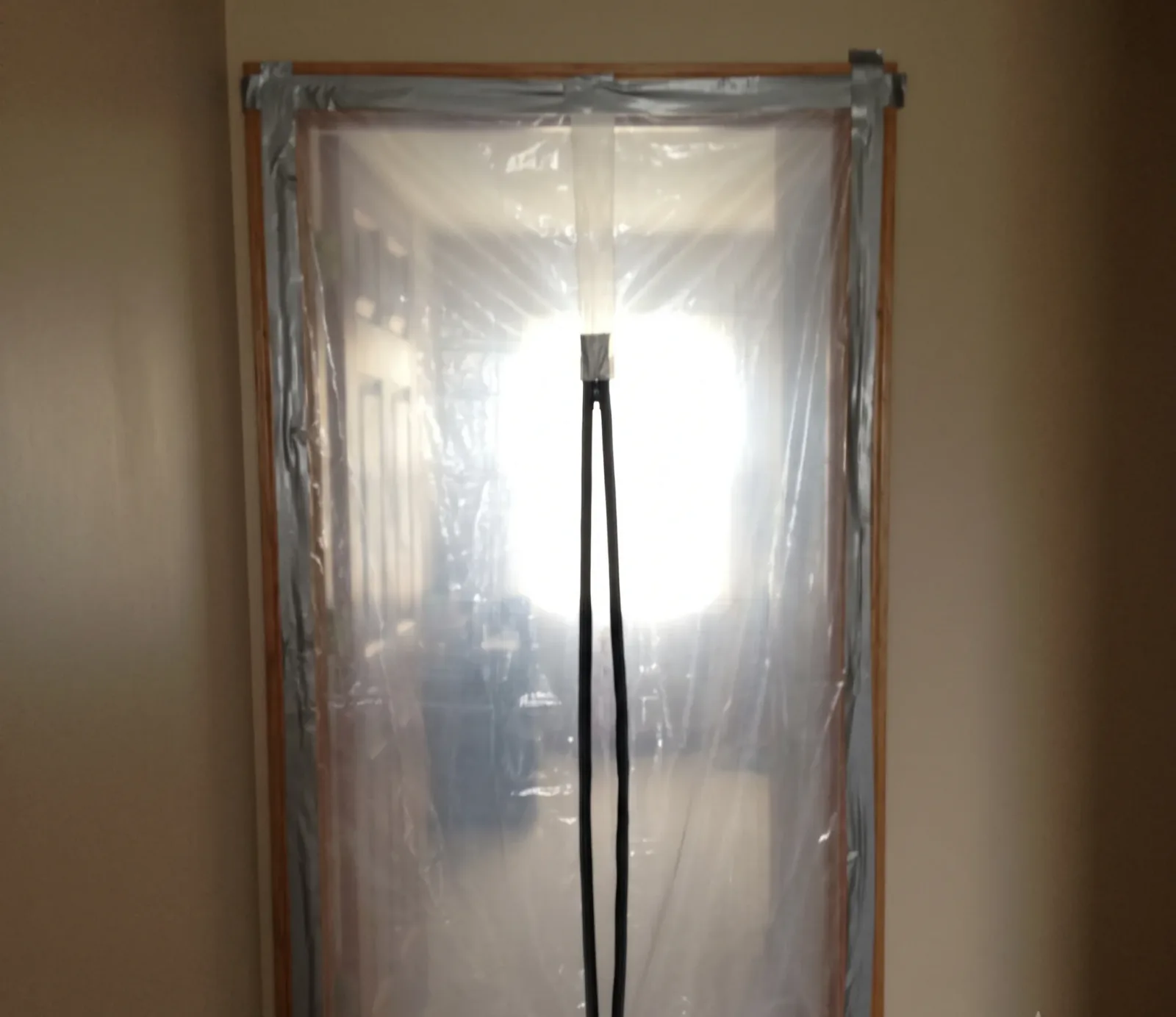
Water-damaged rooms in Austin often need to be emptied before drying can start. Here's how that inventory, packing, and storage process actually unfolds.
Read article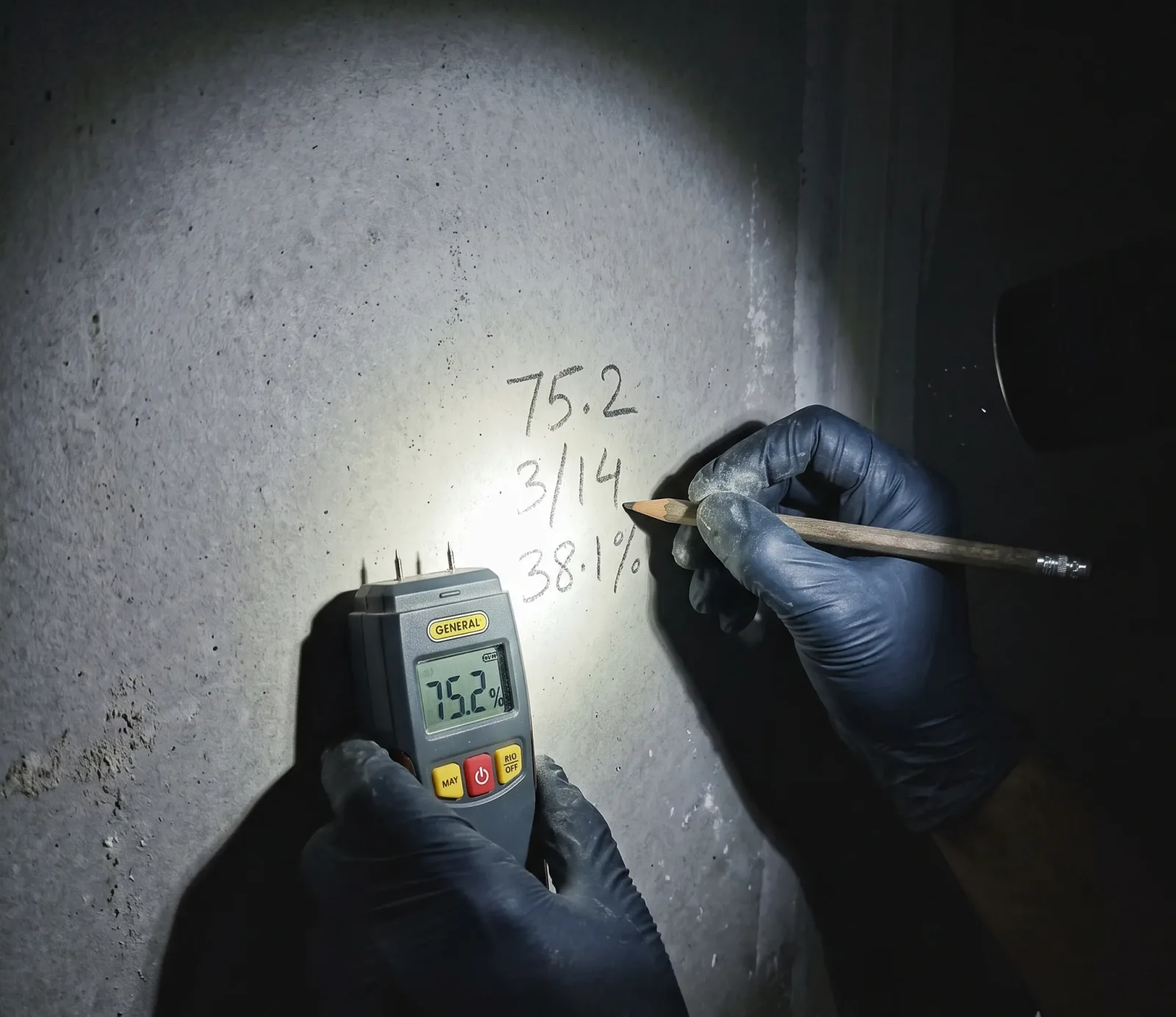
Pin and pinless moisture meters read water hiding inside walls and floors that look dry on the surface. Here is what the numbers actually mean.
Read article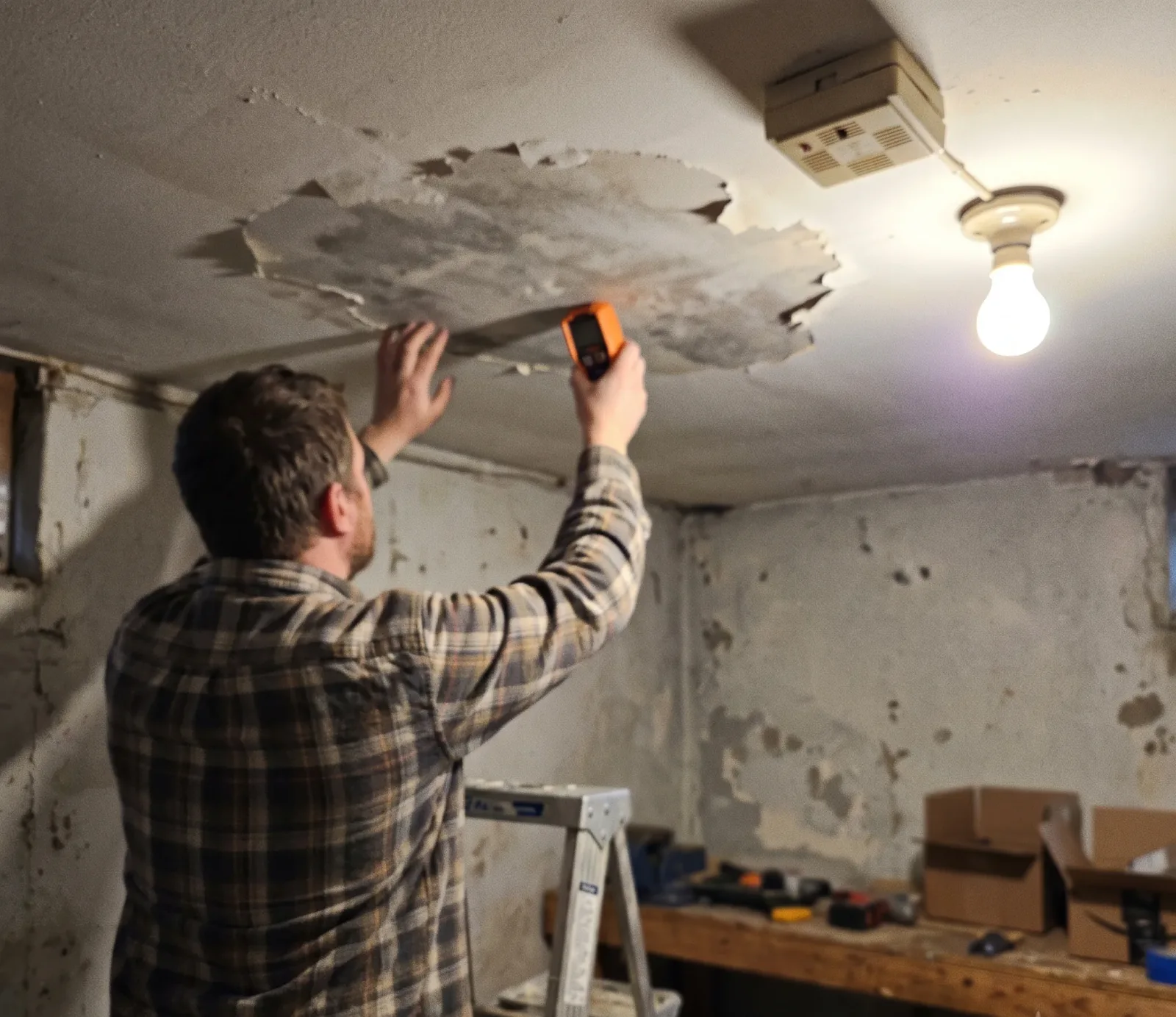
A camera can flag a cool patch behind a wall in minutes, but the picture alone never proves water. Here's what an Austin scan actually confirms.
Read article
Warm, wet outdoor air near the Colorado River leaves less room for indoor moisture to go anywhere. Here is why that changes how long a dehumidifier has to run in Austin.
Read article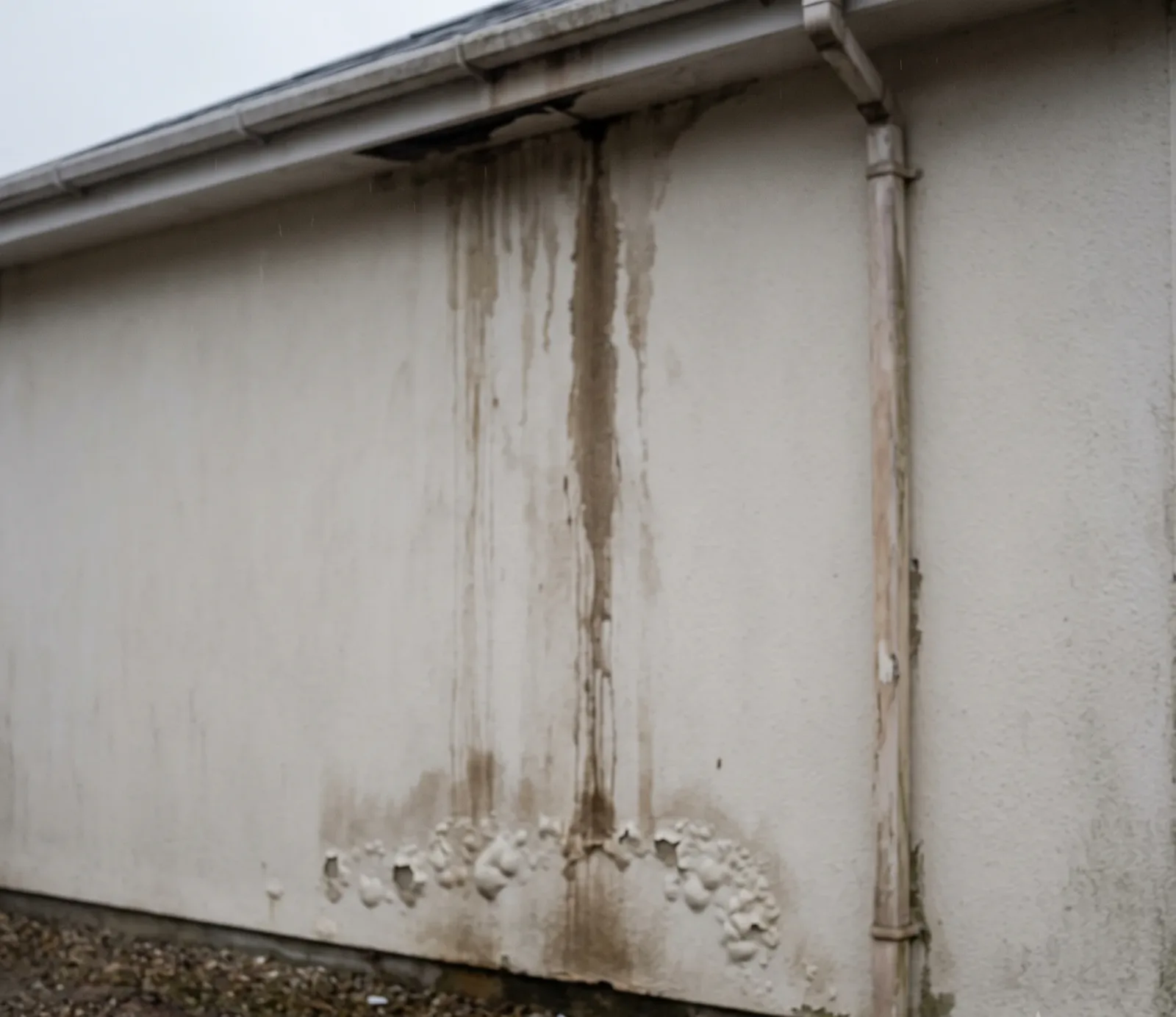
A clogged gutter or a short downspout sends roof runoff straight at an Austin slab. What to check at the roofline and on the ground below it.
Read article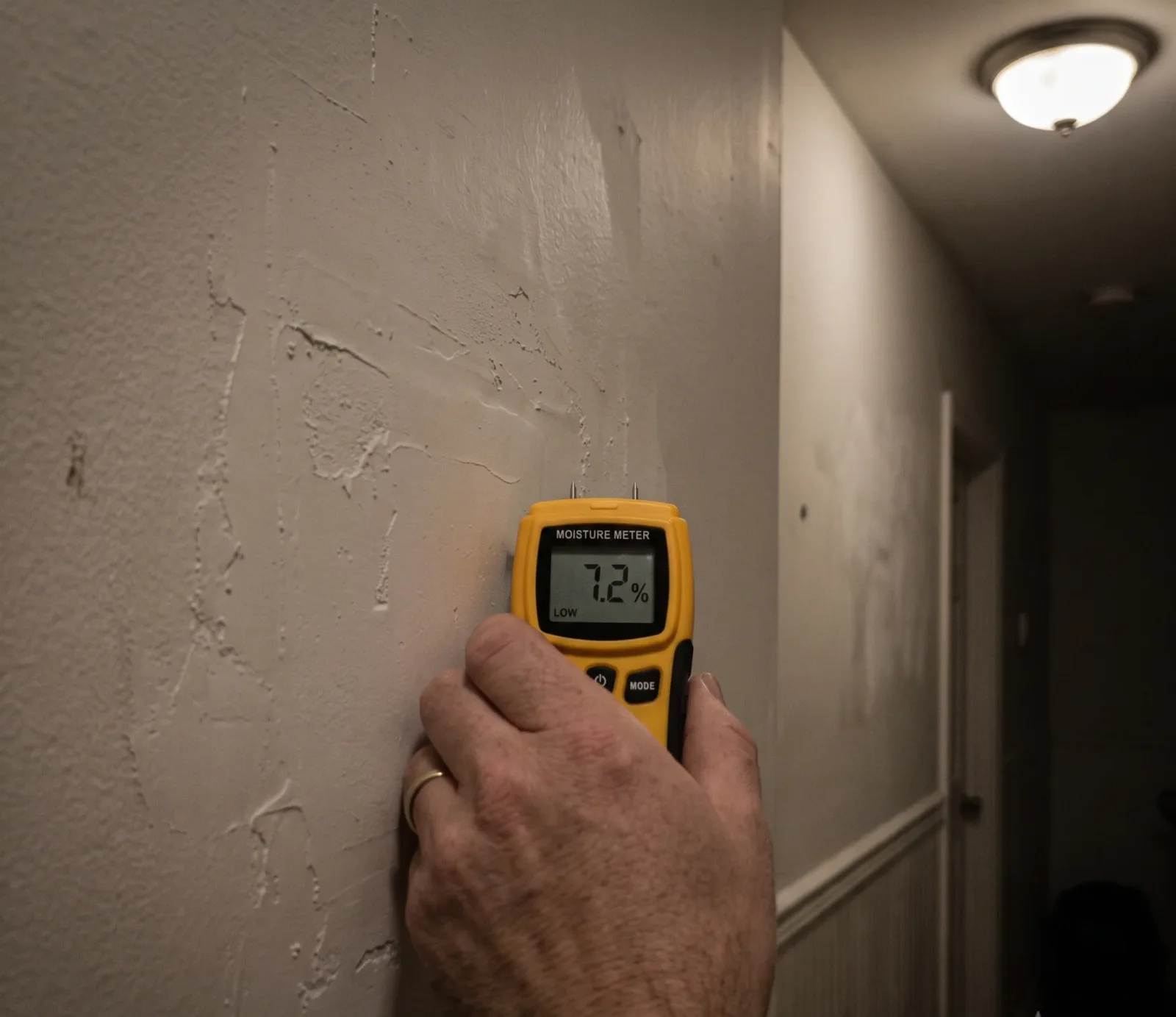
Old Austin neighborhoods like Hyde Park and Travis Heights still run cast iron and clay sewer laterals. Age, not bad luck, drives the repeat backups.
Read article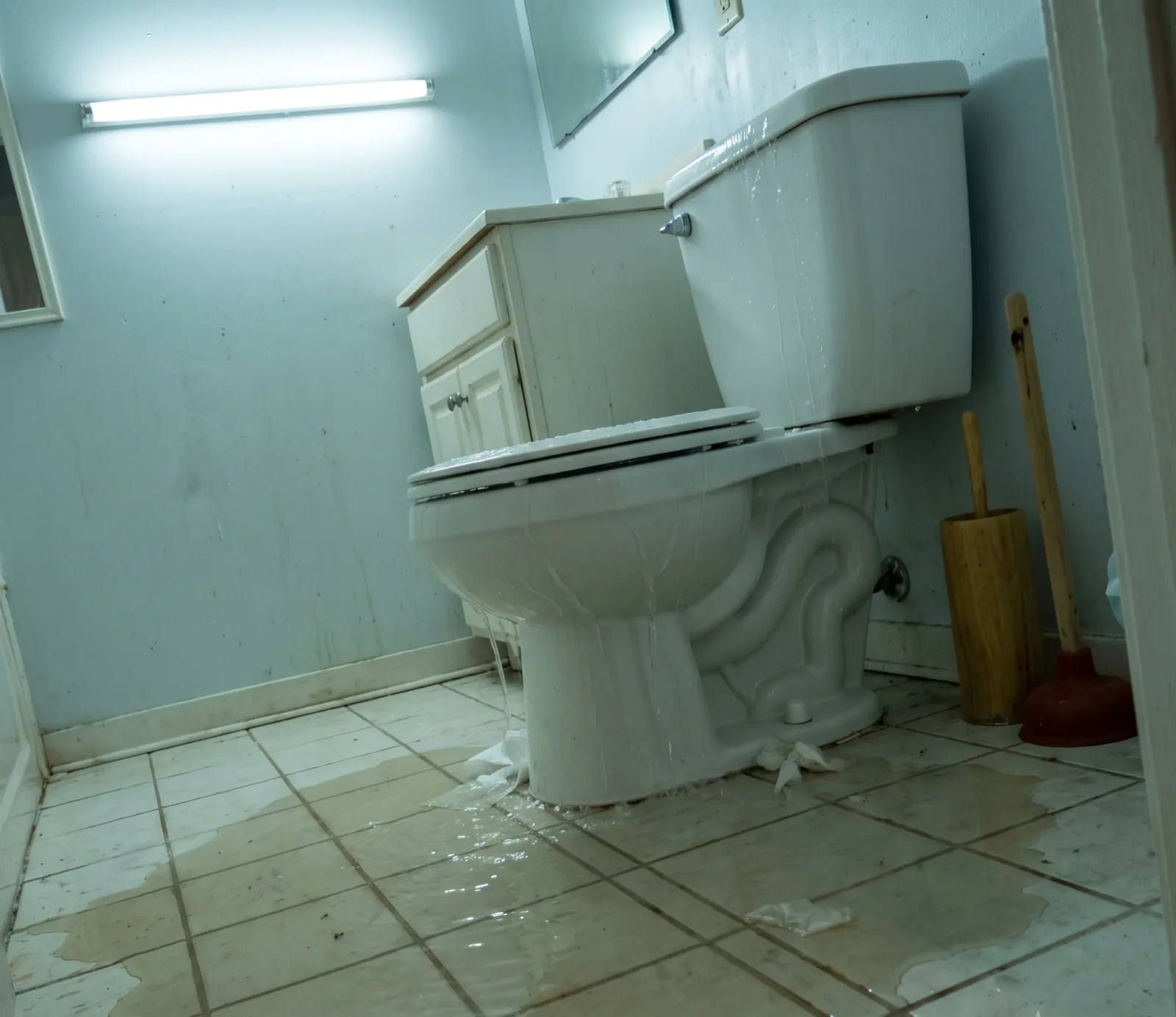
Sewage coming back up through a toilet is a biohazard, not a spill to mop. What to do first in an Austin home, and what has to be thrown out.
Read article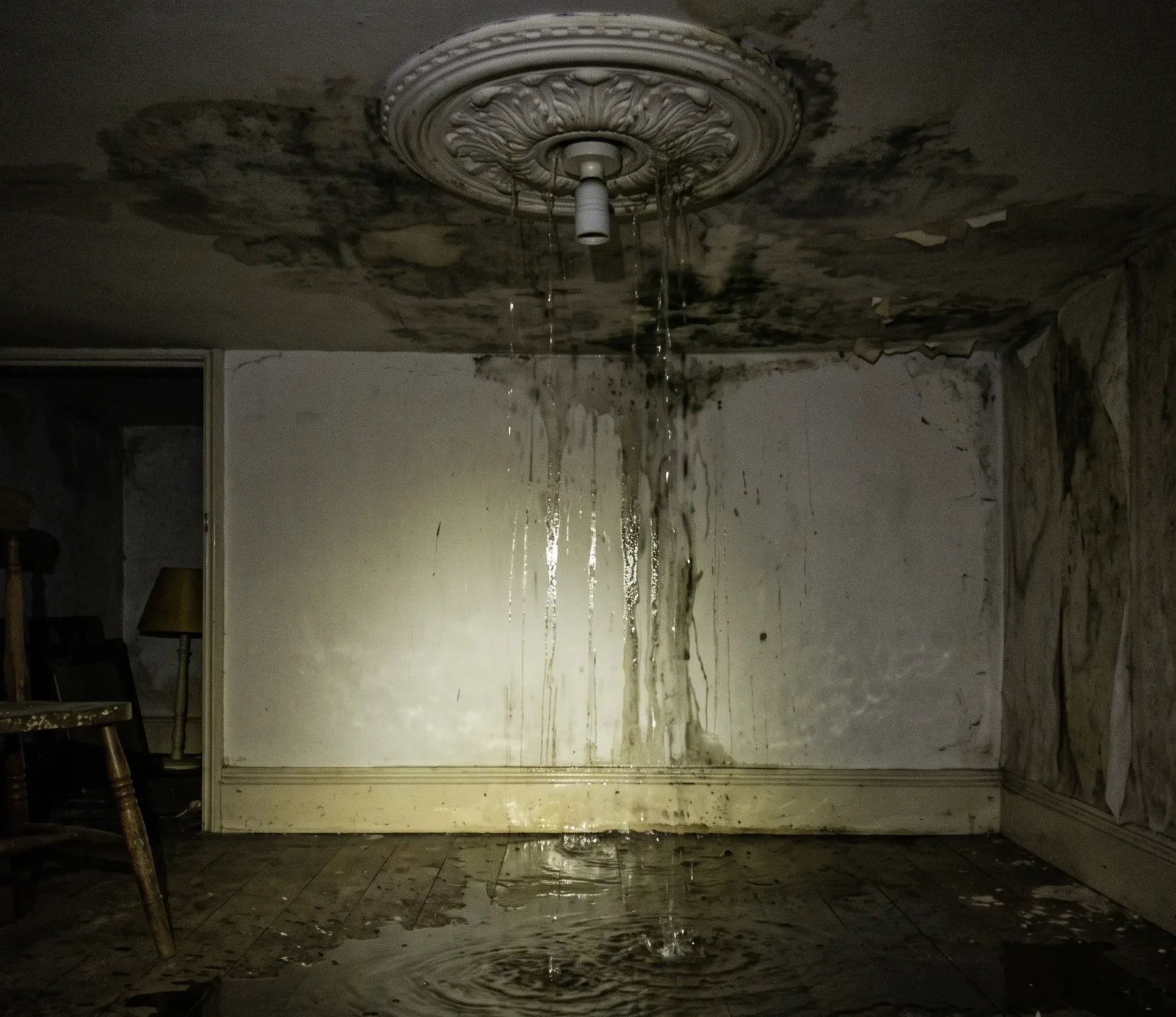
A ceiling stain in an Austin attic isn't automatically a leak. Here's how location, timing, and stain pattern separate AC condensation from a real problem.
Read article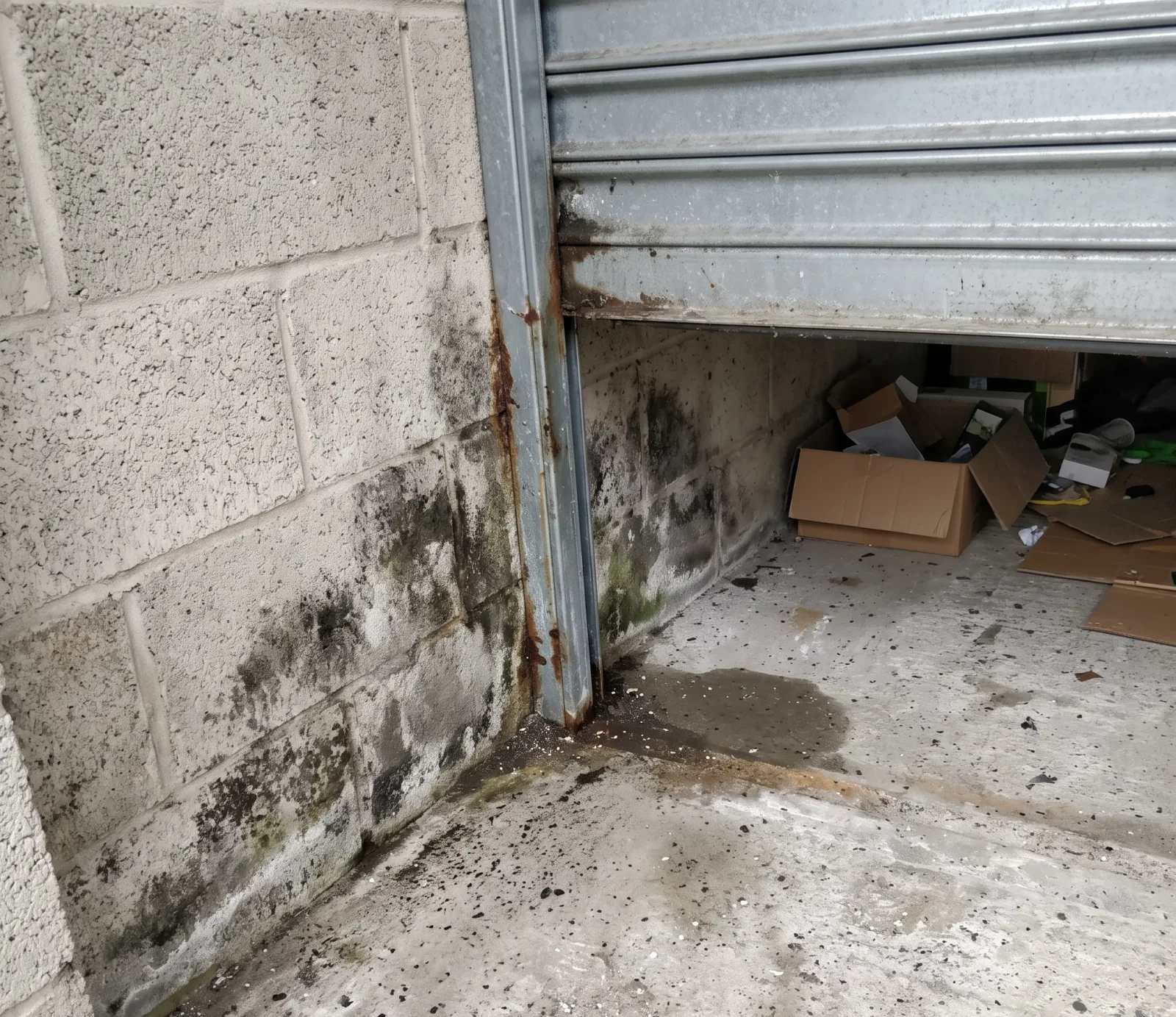
Stachybotrys, the black mold myth, and what species identification and air quality testing actually tell an Austin homeowner about real health risk.
Read article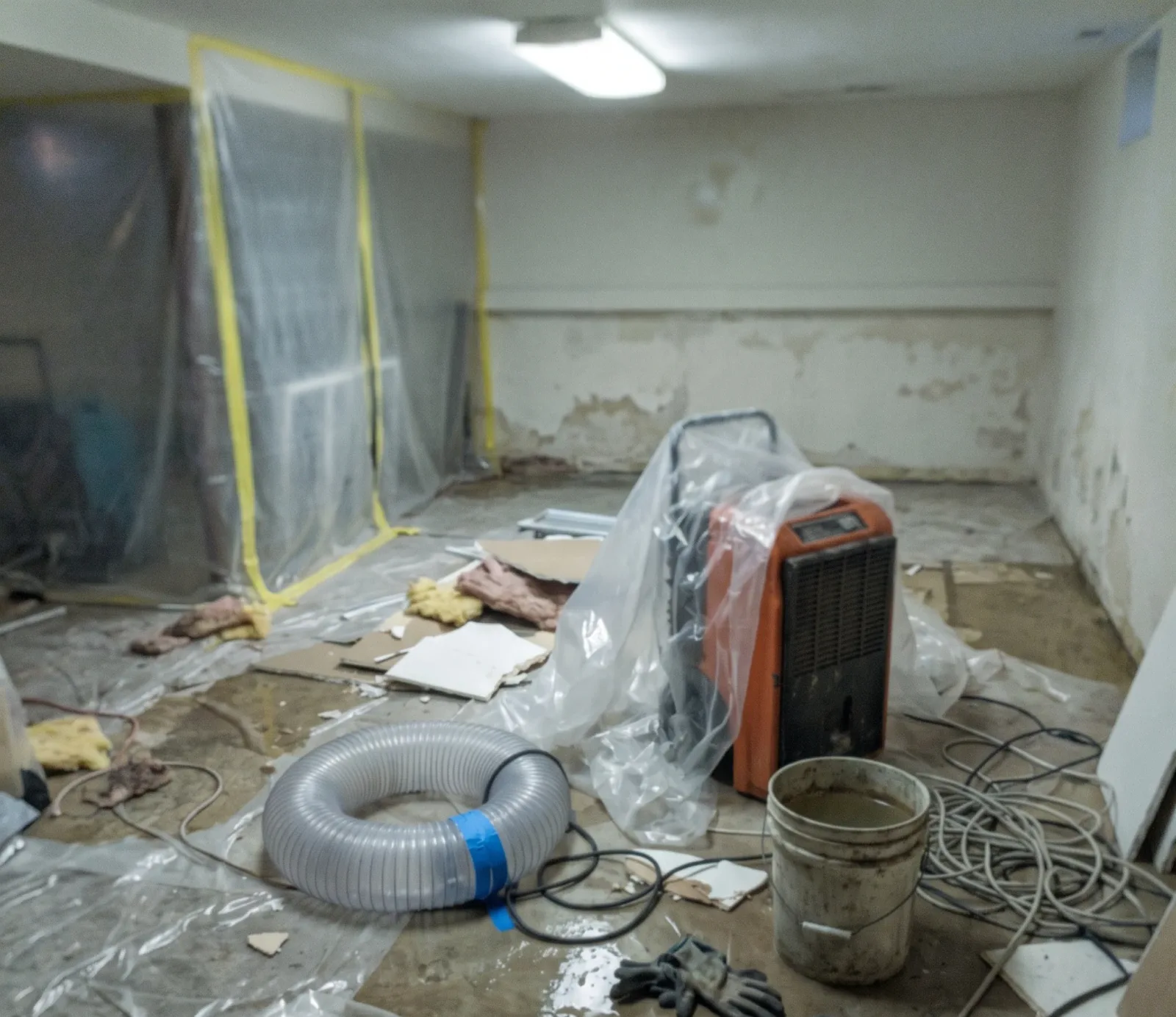
Cleaning a moldy wall in Austin rarely fixes it for good. Here's why hidden moisture behind drywall keeps the same wall growing back, and what actually has to change.
Read article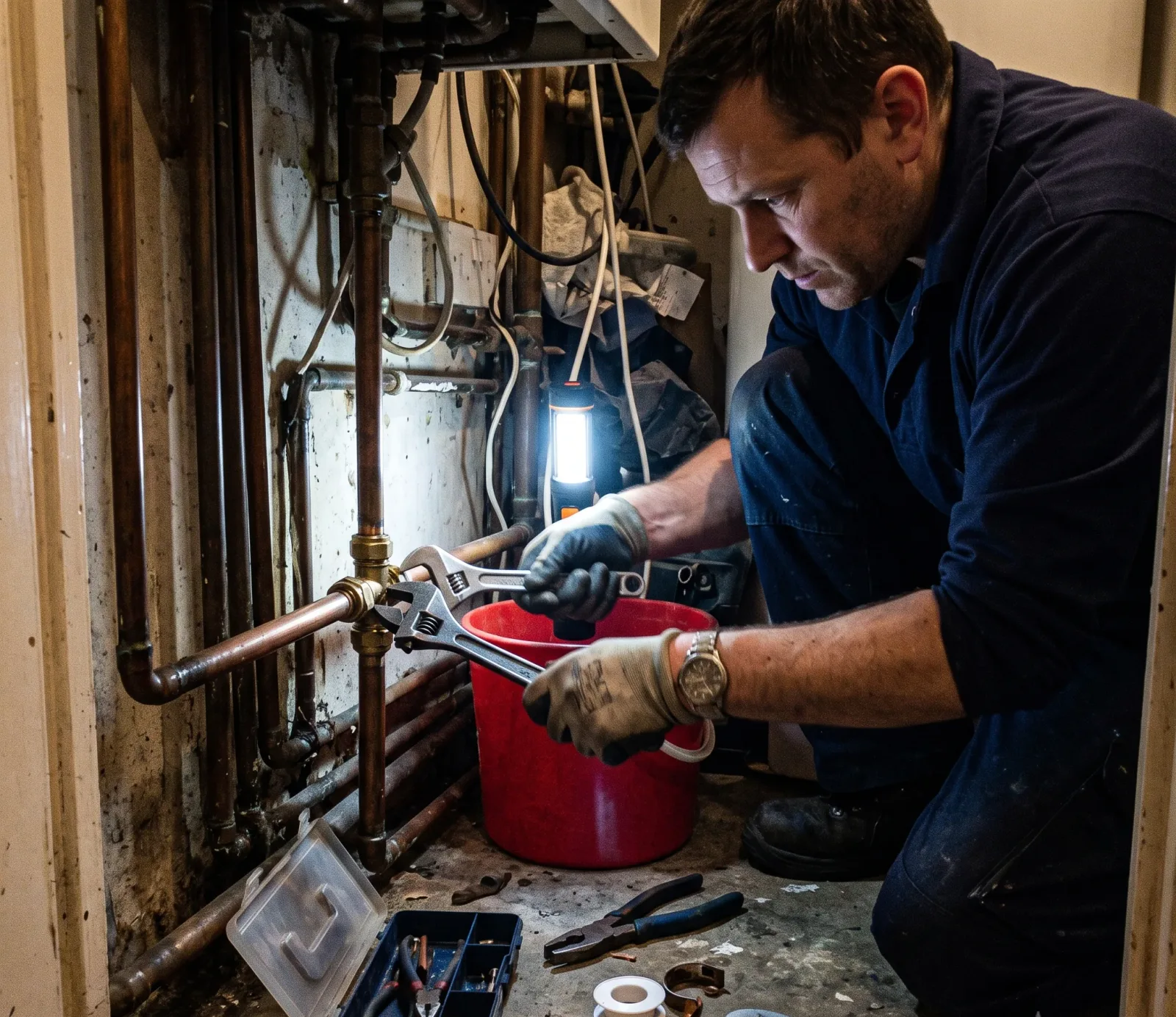
Three titles, one word: adjuster. Only one of them works for you. Here's what separates a staff adjuster, an independent adjuster, and a public adjuster in Austin.
Read article
Before cleanup starts in an Austin home, a phone camera can shape the whole claim. Here's what to shoot, film, and log first.
Read article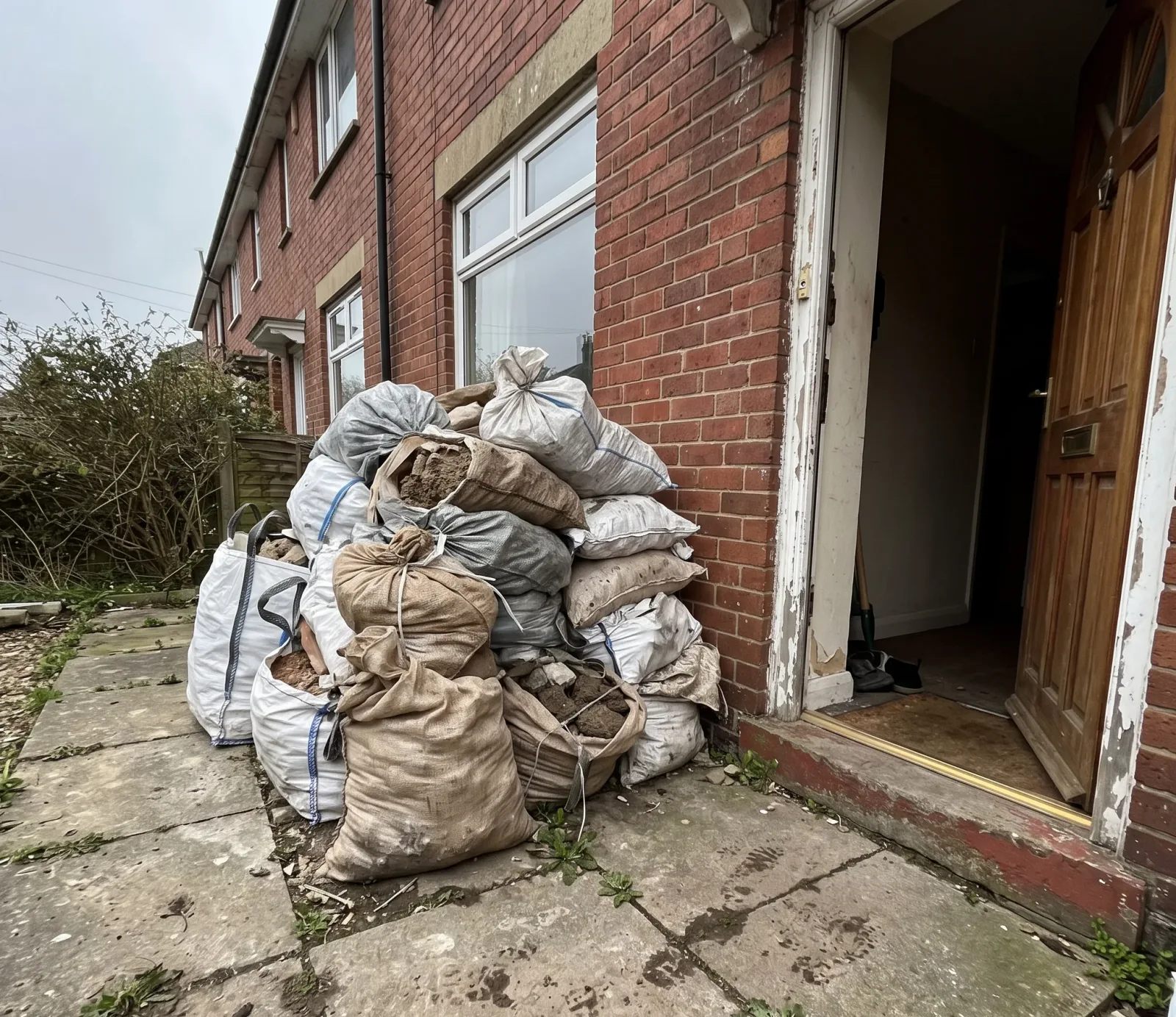
Texas Property Code sets a landlord's repair duty for rental water damage, but the notice rules, timeline, and tenant remedies trip up most Austin renters.
Read article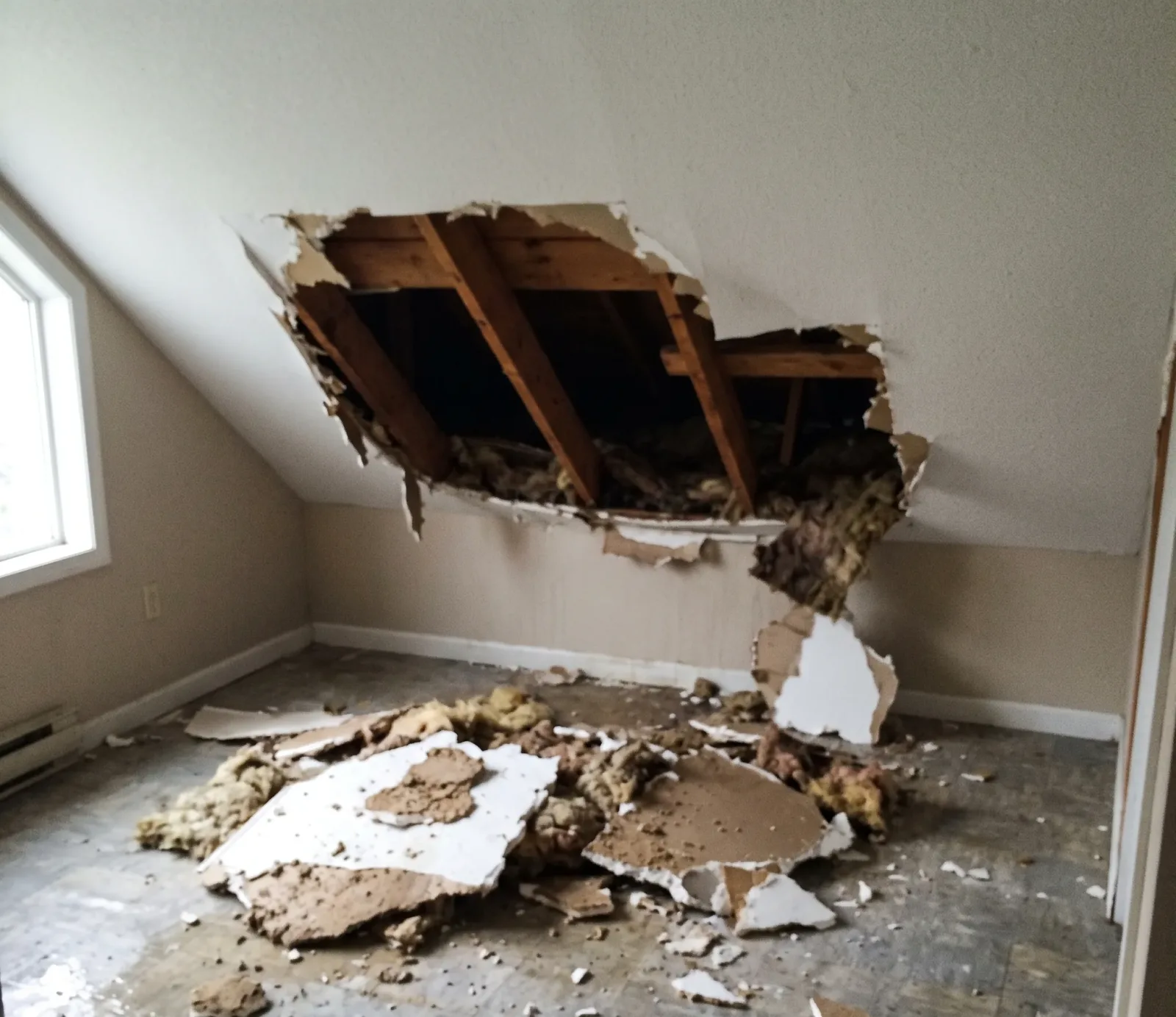
A leak crossing from a shared wall into your Austin condo raises a split question: which policy — the association's master coverage or your own — actually pays for what.
Read article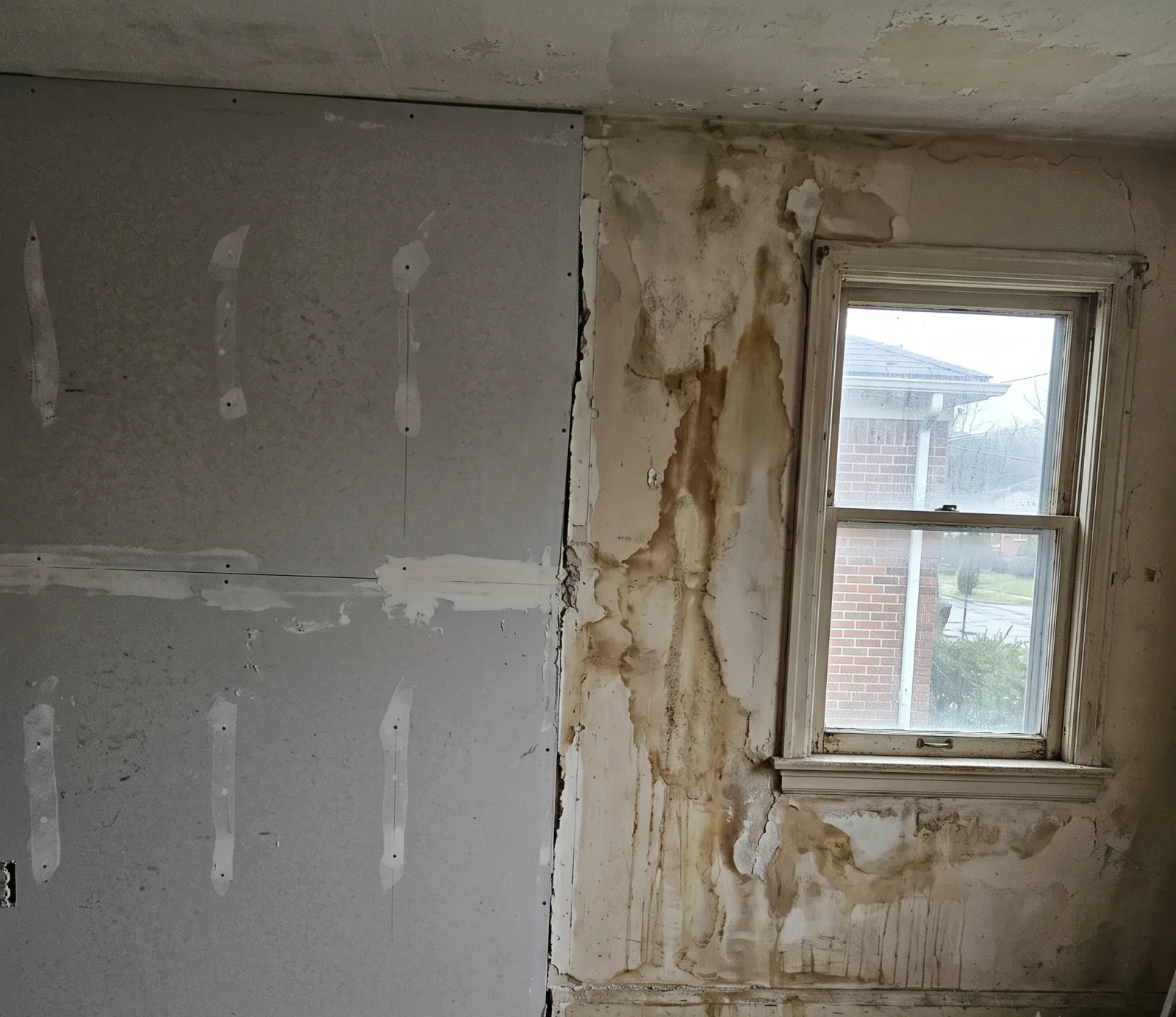
A musty smell in an Austin home can be plain summer humidity or a leak that has gone unnoticed near a slab foundation.
Read article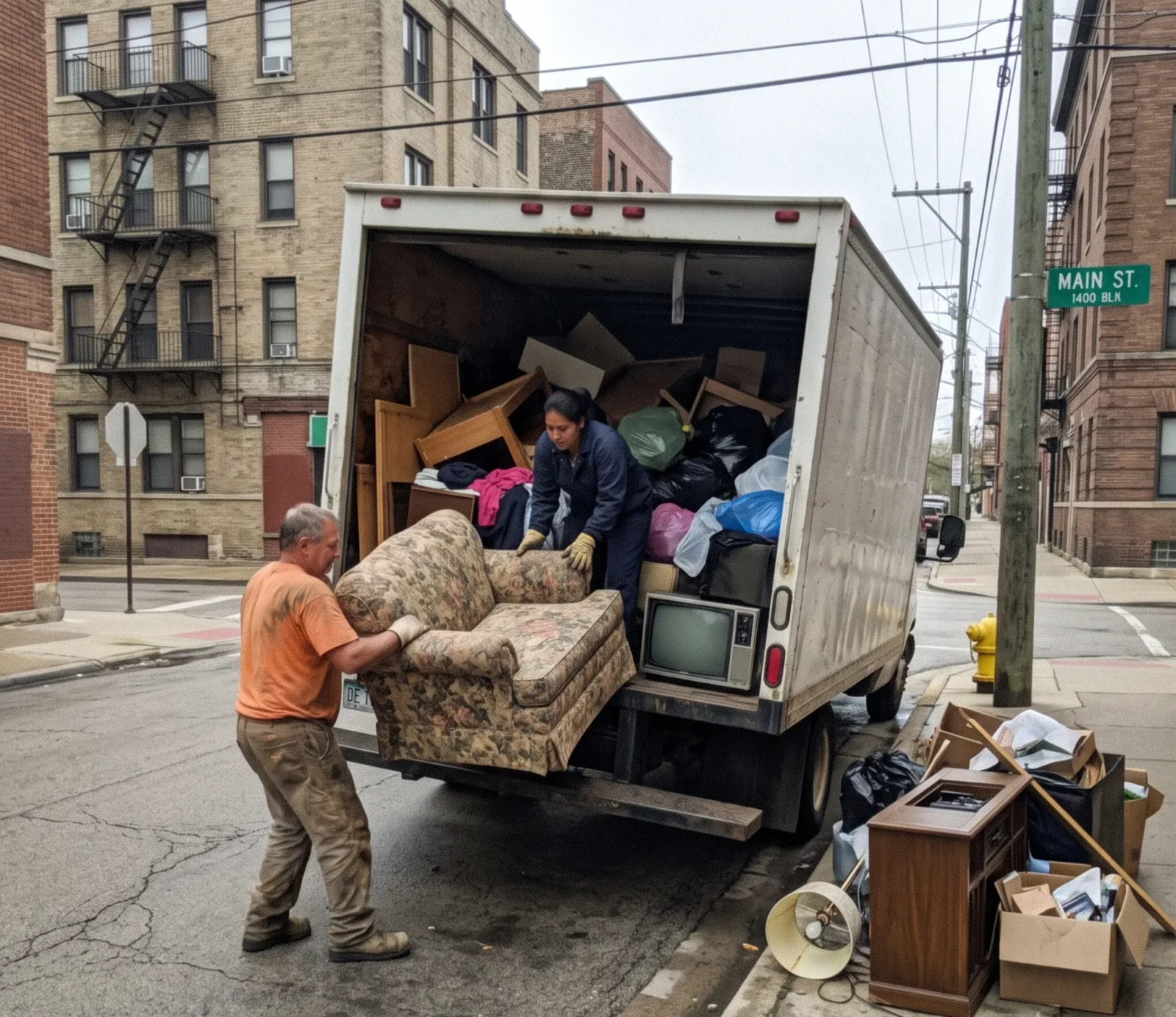
Why some Austin streets flood before the rain even lets up, from storm drain limits to clay soil that won't soak in, and what a homeowner can actually change.
Read article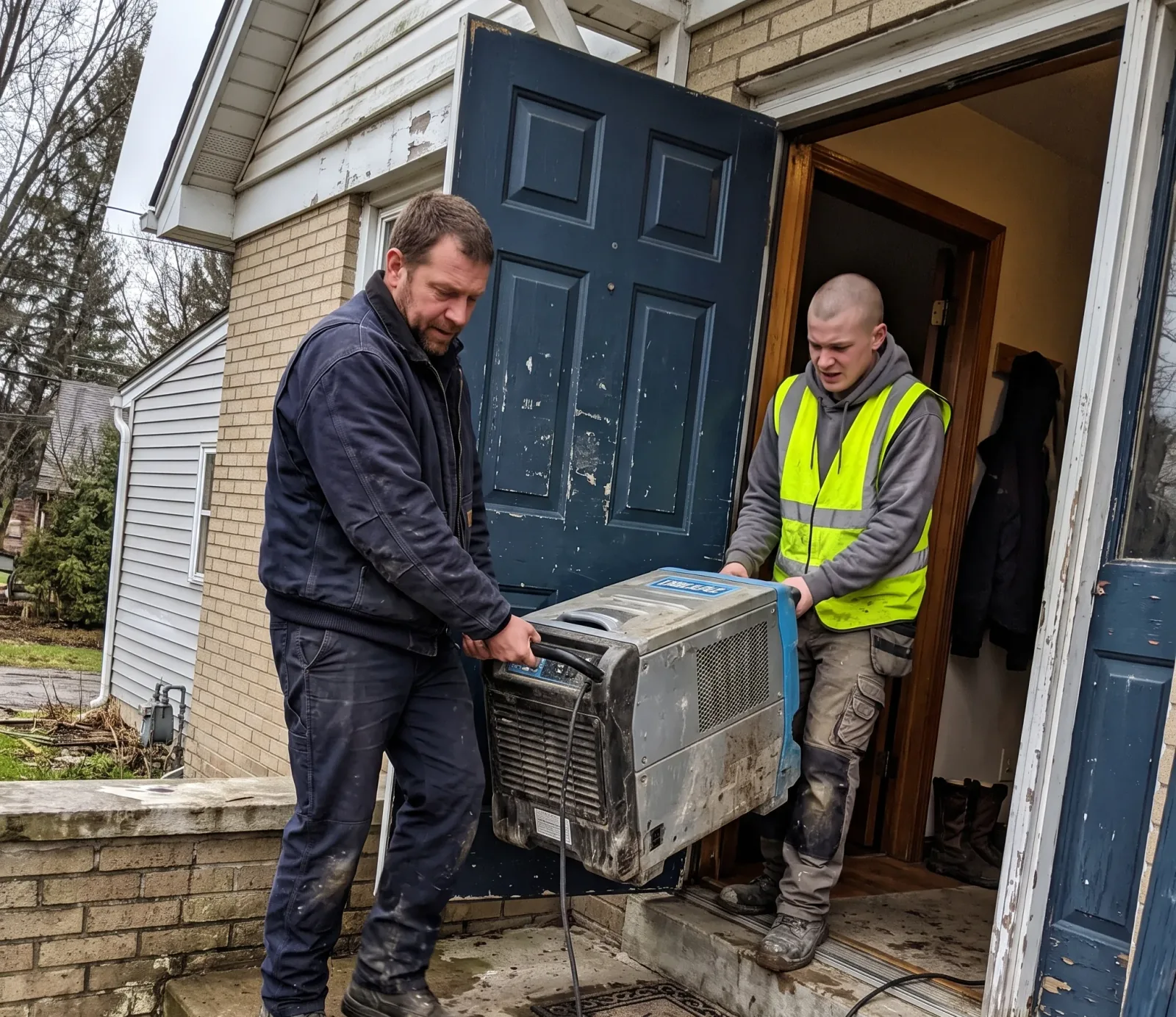
Which pipes burst first when a hard freeze hits Austin, and what a dripping tap actually does. A walkthrough for hose bibs, crawl spaces and unheated garages before the cold arrives.
Read article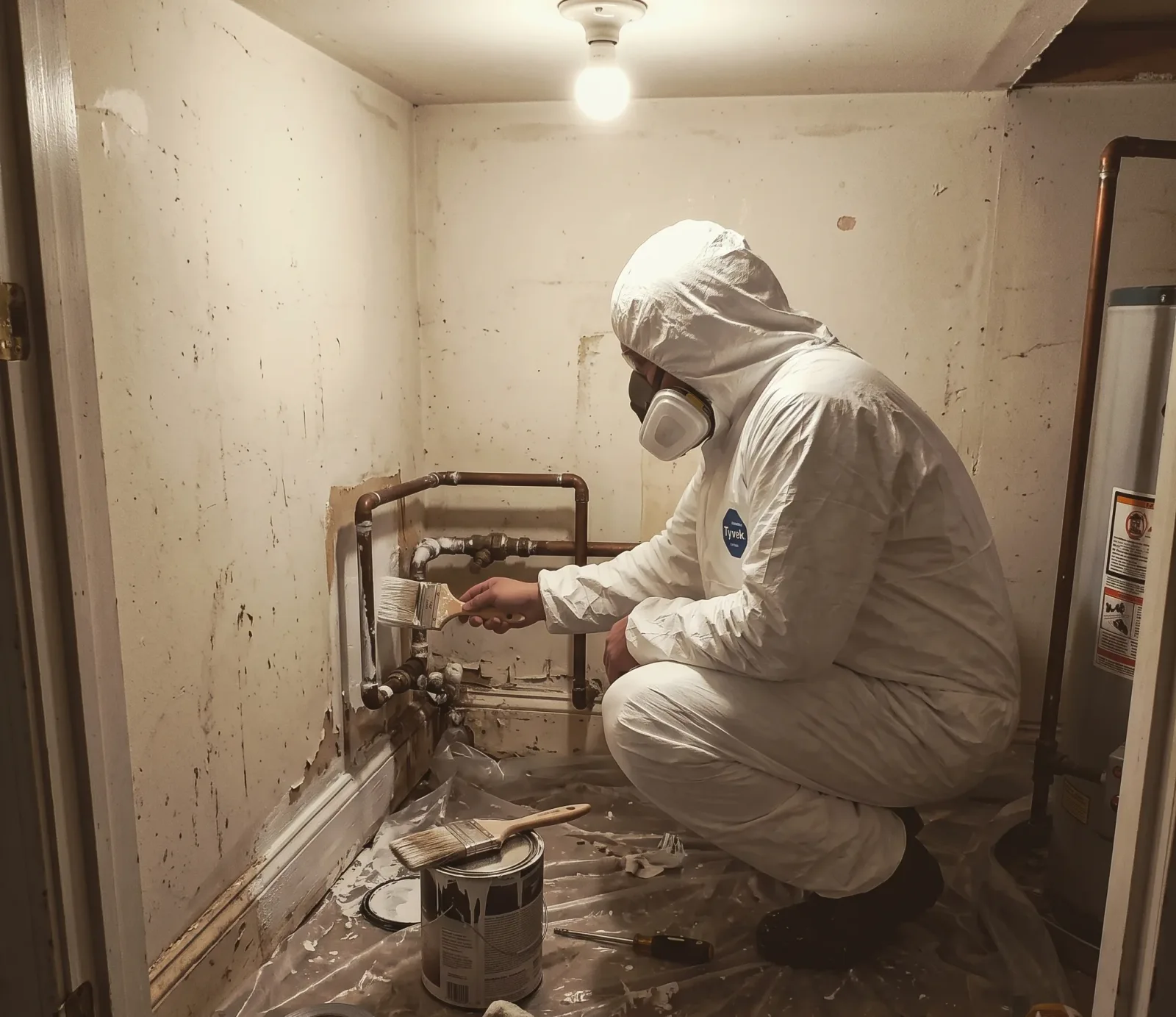
A burst water heater can put gallons per hour onto your floor. Here's the order that actually limits damage: valve, breaker, floor, then a real look at what got wet.
Read article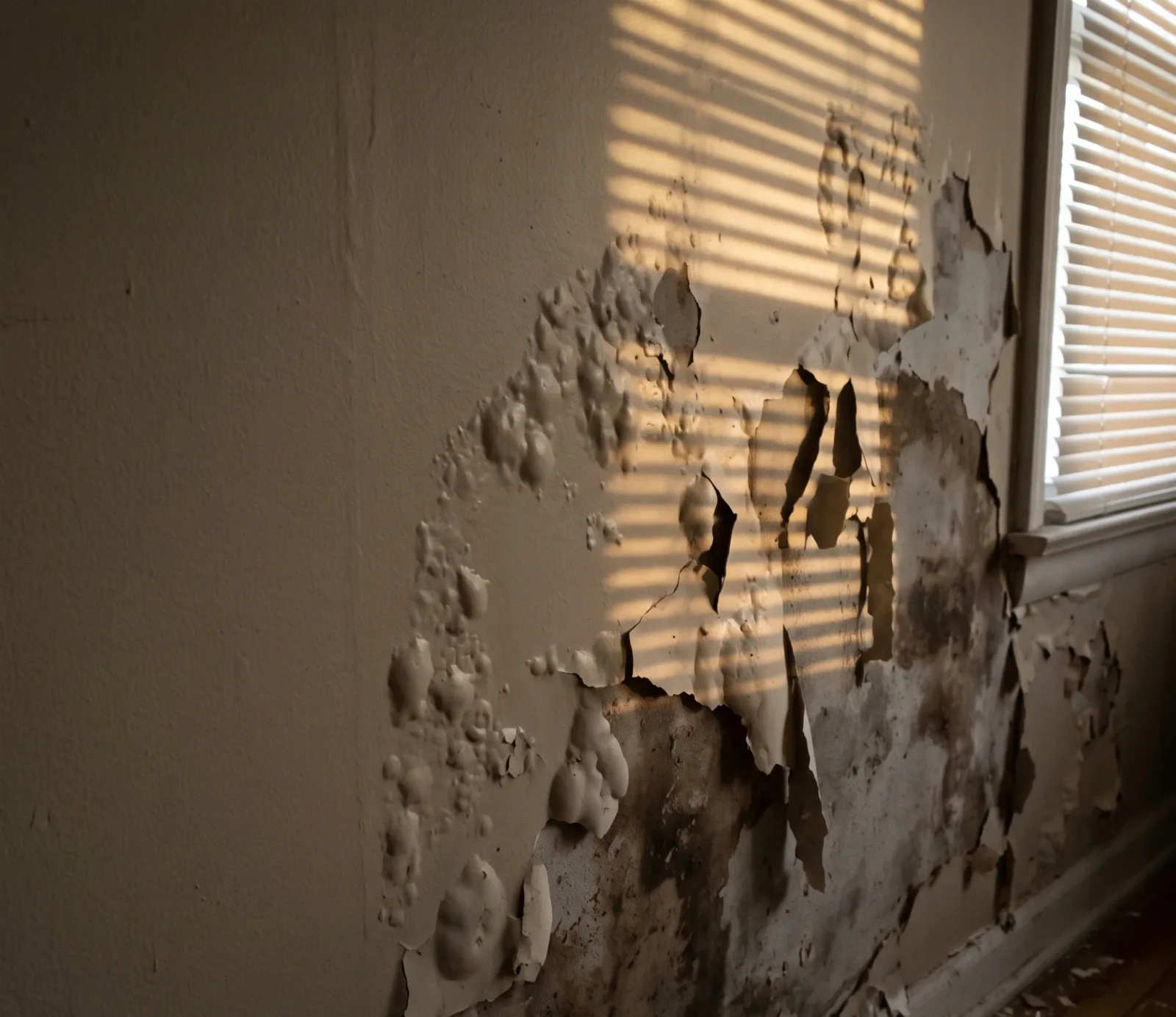
A stained ceiling or a floor that feels soft underfoot can mean water has been moving through an Austin home for weeks. Here's what those signs actually mean.
Read articleIt depends on grade and drainage more than the neighborhood itself. Lower lots near Shoal Creek or Waller Creek back up fast when Hill Country storms dump inches in an hour, while homes on higher ground away from a creek usually just deal with slow slab moisture instead. Ask about the lot's drainage history before assuming your street is safe.
No. Austin's slab construction skips the below-grade risk basements carry elsewhere. What you deal with instead is water traveling sideways under drywall and flooring after a burst pipe from a freeze, or sitting in low-lying pockets near Shoal Creek and Waller Creek after Hill Country storms. The clay soil under a post-tension slab shifts with moisture too, which can crack the slab itself and let water track along the crack for weeks before anyone notices.
Drying out a slab home near Zilker or Mueller takes days, not hours, and that surprises most homeowners. Post-tension slabs trap moisture underneath, so equipment has to run until moisture meters confirm the concrete itself is dry, not just the surface. Central Texas humidity slows this further. Expect the licensed pros to monitor readings daily rather than guess based on how the floor feels or looks.
These articles came out of real situations across Austin: a slab leak that showed up as a damp carpet edge near Hyde Park, a flash flood that reached a garage near Onion Creek, a burst line after temperatures dropped hard enough to freeze. Some explain what a category of water means on an inspection report. Others walk through what happens after the licensed pros we connect you with are called. None of it replaces seeing your own space in person.
Call (512) 764-6583