A homeowner in Cherrywood scrubs a mold patch off the bathroom wall, and it looks gone. Two weeks later it's back, sometimes darker than before. That pattern confuses people because the cleaning worked, visibly. What it did not do is touch whatever is feeding the growth. Austin homes lose this fight constantly because the fix addressed the stain, not the water still sitting somewhere behind it.
What Surface Cleaning Leaves Behind
Bleach or a store cleaner wipes mold off drywall paint, tile grout, or a painted baseboard, and that part is real. But mold growing on a surface is often just the visible edge of a colony rooted deeper in the material. Killing the top layer does nothing for spores or moisture sitting inside a wall cavity in an older Hyde Park or Rosedale home where the framing stays damp.
Where Hidden Moisture Actually Lives
Austin's mix of slab foundations and older pier-and-beam homes near Travis Heights or Clarksville creates more than one place for water to hide. A slab crack from clay soil movement can push moisture up into a wall cavity for months without a visible leak. A crawl space under an older home can hold standing dampness after a hard freeze thaw or a rainy stretch, feeding growth nobody sees until it reaches the baseboard.
Porous Materials Trap What Water Leaves
Bleach kills mold sitting on top of drywall paint, but it cannot reach what has already soaked into the wall cavity behind it. Drywall paper, wood studs, and insulation are porous materials, so moisture intrusion pushes past the surface within hours. A homeowner in Clarksville or Hyde Park scrubbing a visible patch is treating the symptom, not the source of moisture feeding it.
Why Timing Matters So Much
Spores need three things to colonize again: moisture, a food source, and time. A painted-over wall in a Travis Heights bungalow can look clean for weeks while damp insulation behind it keeps producing spores that drift back onto the surface. Surface cleaning removes what a hand can reach. It does nothing for the air gap between drywall and stud where the actual colony is living.
Humidity Keeps The Cycle Going
Central Texas humidity plays a role even after the original water event is long over. A slab leak gets patched, a roof gets fixed, but the wood framing or insulation behind a wall in a Mueller or Crestview home can stay damp for weeks in humid air with poor ventilation. Mold does not need a new water source to keep spreading, just enough residual dampness and still air inside that cavity.
Why Containment Rarely Happens At Home
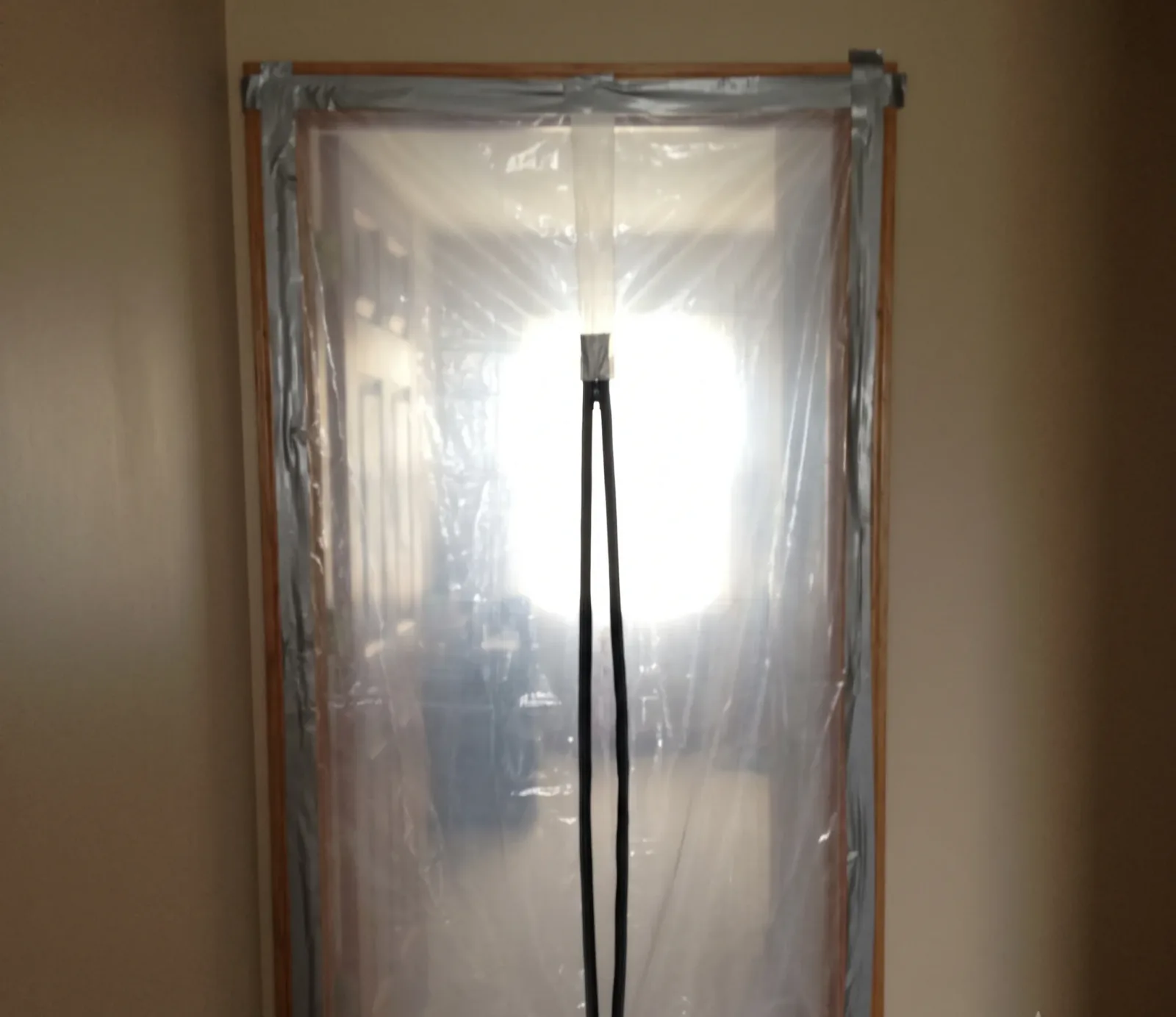
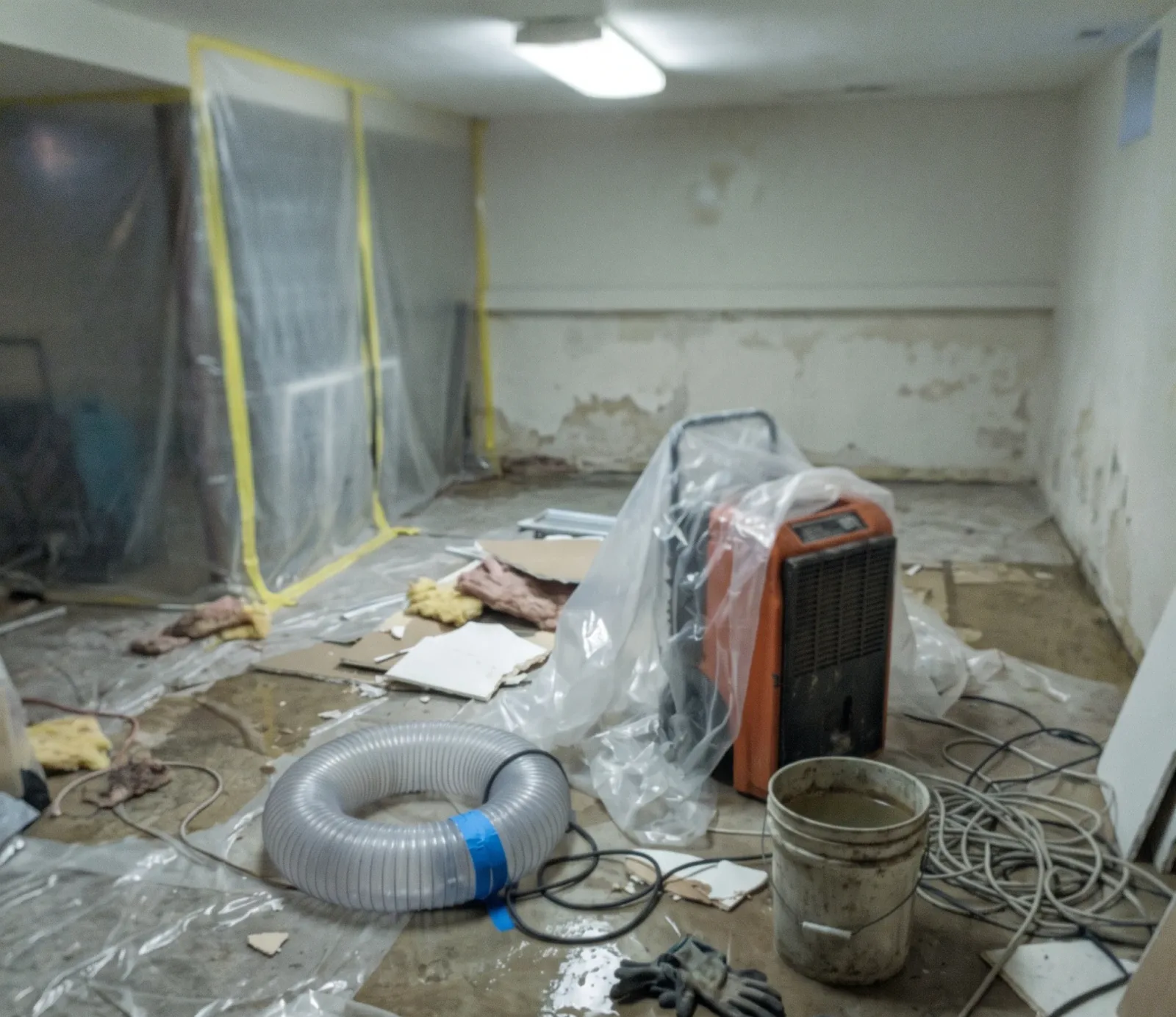
When someone disturbs a moldy patch with a scrub brush or a razor blade, spores get knocked loose into the air. Licensed pros use containment barriers and negative air pressure specifically to keep that disturbed material from drifting into other rooms during the work. A homeowner cleaning a wall in Allandale or Brentwood has no equivalent setup, so the cleaning itself can spread spores into space that was clean before.
How One Room Contaminates Another
Cross contamination happens through the small, ordinary movements nobody thinks about. A sponge rinsed in the same bucket used on a moldy tile, then wiped across a clean counter. A box carried out of a damp closet in Oak Hill and set down in a dry hallway. Air moving through a shared HVAC duct. None of these look dramatic, but each one gives spores a new surface to land on and start again.
The Same Spot Reappearing Is A Clue
When mold grows back in the exact same corner of a Mueller kitchen or a South Congress rental every single time, that repetition is the real evidence. Random new spots suggest a humidity or ventilation issue spread across a space. The identical spot returning again and again points to one specific source of moisture nearby, still active, still feeding that one location no matter how many times it gets wiped clean.
What Actually Stops It From Coming Back
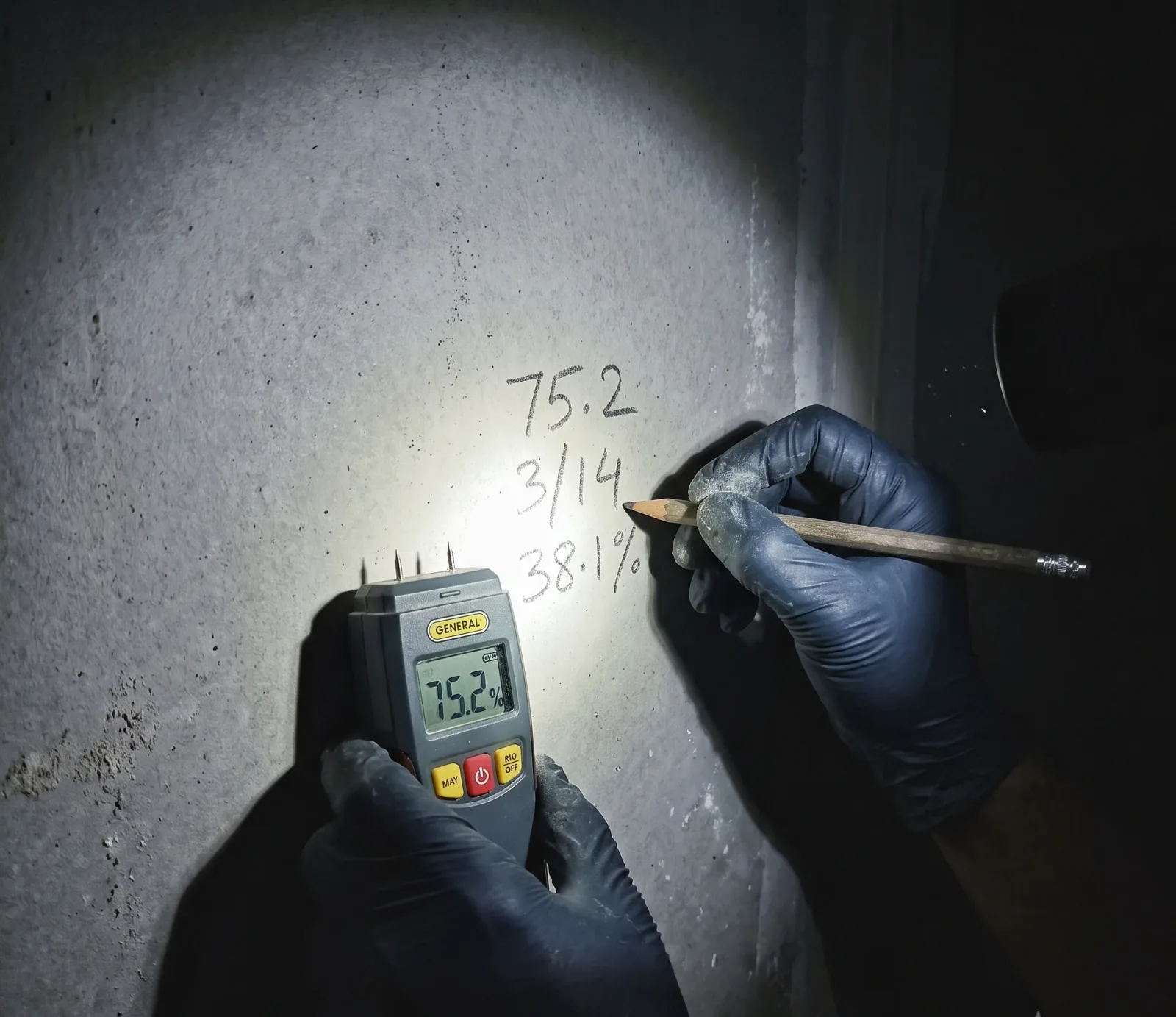
Wiping a wall in Tarrytown or Cherrywood with bleach kills what you can see, but spores travel through the air gap behind drywall and settle again days later. The fix is finding the source of moisture: a slab crack, a slow plumbing leak, or humid air condensing inside a wall cavity. Porous material stays damp long after the surface looks dry, so recurring growth keeps returning until that hidden moisture gets found and stopped.
When Cleaning Alone Has Run Its Course
A homeowner can reasonably clean a small surface spot once or twice. But if mold keeps returning after repeated cleaning in the same East Austin or Windsor Hills room, that is a sign the moisture problem sits beyond what a cloth and a bottle of cleaner can reach. At that point the material behind the wall, not the paint on top of it, is what needs real attention.
The Cost Of Leaving The Source Alone
Ignoring a hidden moisture source does not just mean cleaning the same spot every few months. Wet porous materials lose strength over time, and drywall or subfloor near Del Valle or Pflugerville that stays damp long enough can eventually need replacing outright, not just repainting. What starts as an occasional wipe-down can quietly turn into a repair job once the material itself has broken down underneath.
Dealing with this in your home?
Austin's clay soil expands after rain and pulls back tight in a hard freeze, so a post-tension slab near Zilker can crack years after the pour. Add Hill Country storms that dump inches in an hour, and Shoal Creek pushes water toward homes that never flooded before.