Insurance & Legal
How to Document Water Damage for Your Insurance Claim
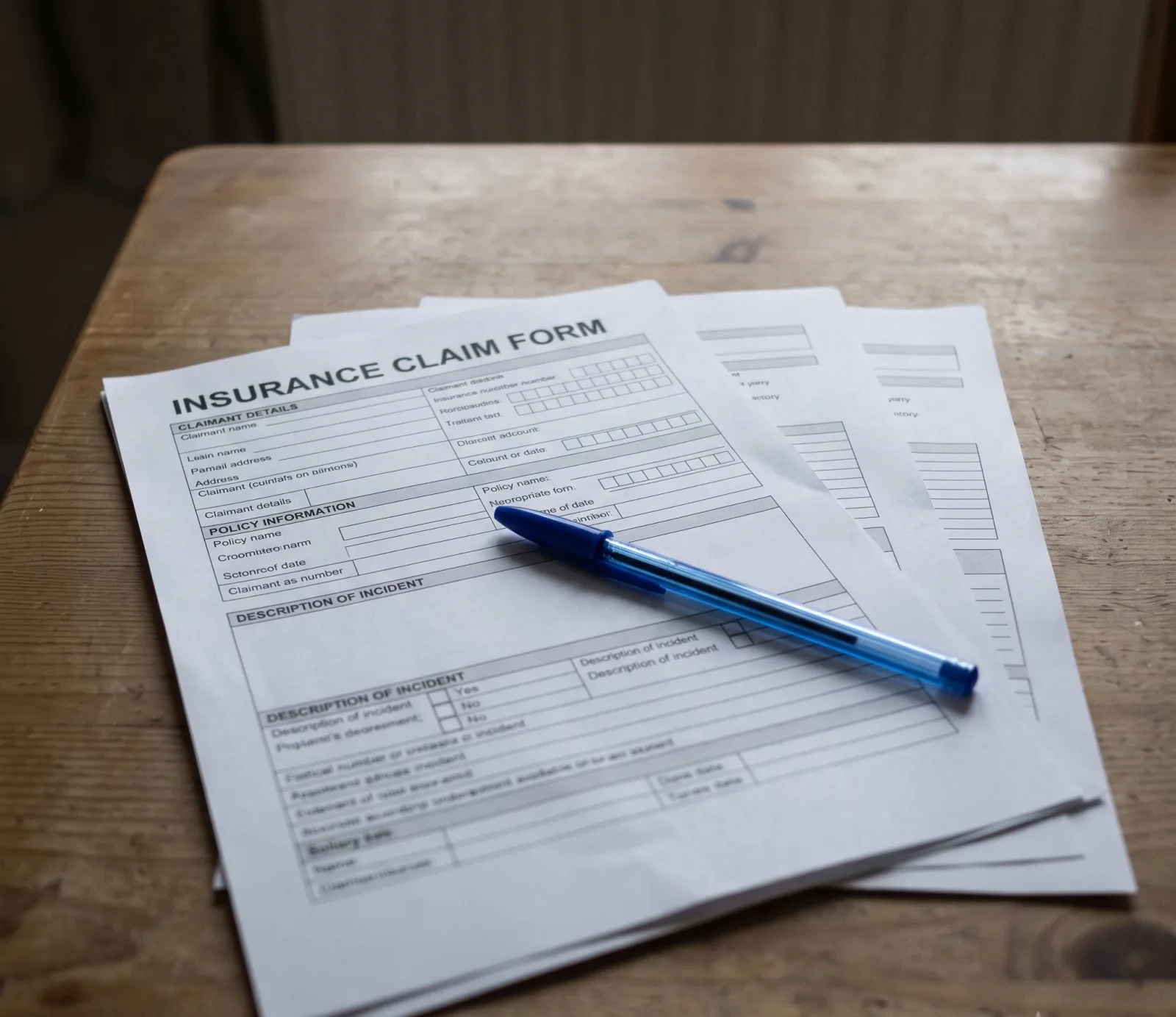
Before cleanup starts in an Austin home, a phone camera can shape the whole claim. Here's what to shoot, film, and log first.
Read article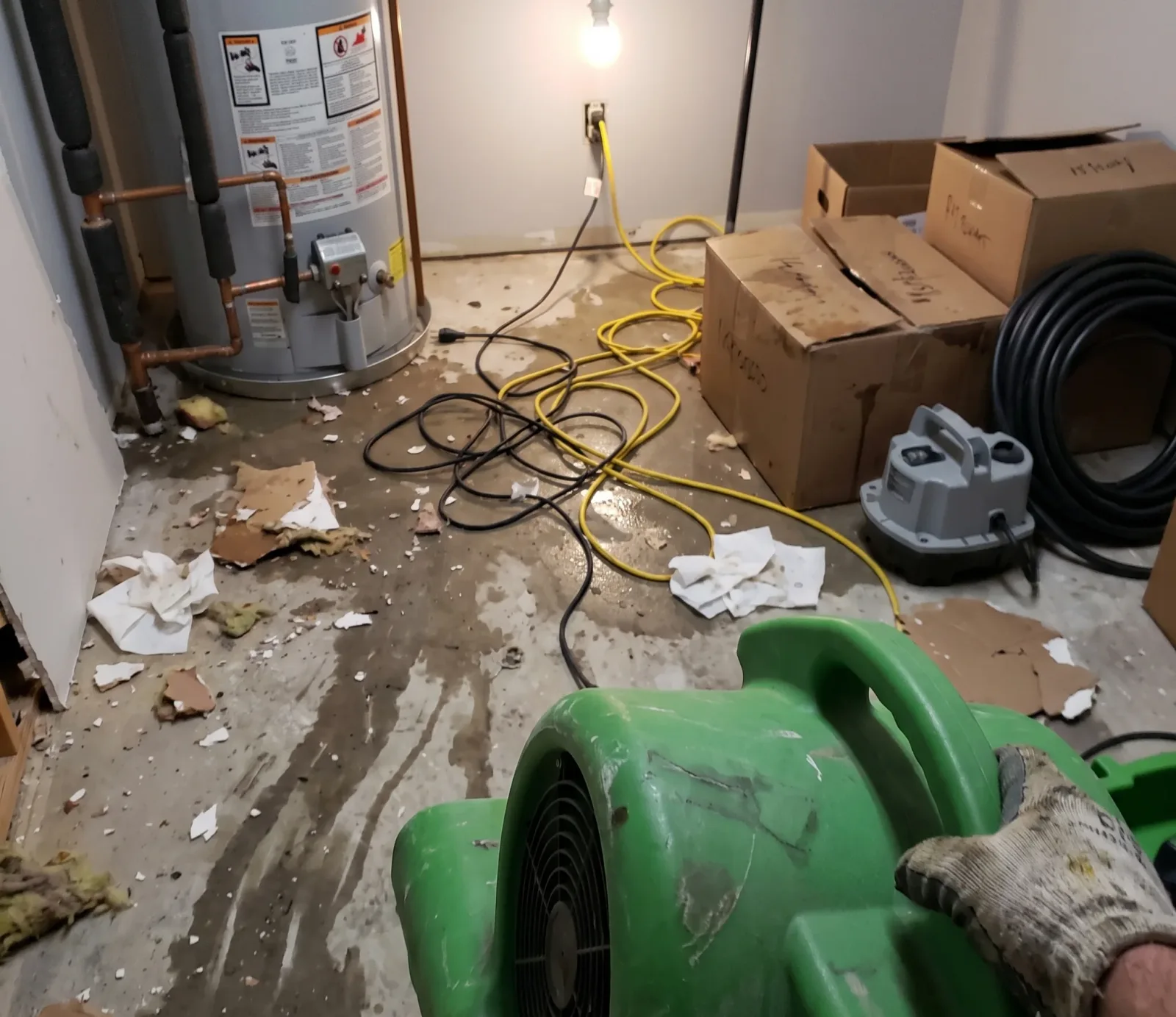
Black water in your home? Call now and we connect you with a local licensed pro.
Sewage cleanup Austin, TX calls for licensed pros, because a sewage backup is black water that carries pathogens. It turns a plumbing problem into a biohazard the moment it touches your floor.
Older cast iron sewer lines near Hyde Park and Clarksville narrow with age and push contaminated water up the lowest drain in the house. Call (512) 764-6583 and we connect you with a local licensed pro.
Raw sewage cleanup means removing the black water, hauling out what can't be saved, and sanitizing everything left, all under full PPE.
A mop or wet vac won't do it. Ordinary tools spread the pathogens instead of removing them.
Sewage backup cleanup starts by tracing the backup to its fixture, then checking whether the block is in the house lateral or further out in the city main.
That check changes who is responsible and how fast the pros can get back in.
Near Hyde Park and Clarksville, cast iron laterals narrow and crack with age, so a clog sends water out through a tub or floor drain.
Sewage damage cleanup removes carpet, pad and drywall that soaked up black water, because porous materials are usually non-salvageable.
Hard, sealed surfaces like tile or sealed concrete can often be cleaned and kept.
Everything left gets an antimicrobial wash, with HEPA air scrubbers running while the space dries.
Emergency sewage cleanup should start as soon as sewage comes up a drain, because black water soaks into carpet and drywall fast.
On a slab floor, backup water runs across one continuous surface and reaches baseboards and hallway carpet quickly.
Standing sewage gets pumped out first, then the soaked materials come out. Call now at (512) 764-6583.
Sewage cleanup cost depends on how far the black water spread and how much carpet, pad and drywall has to come out.
The same factors drive sewage backup cleanup cost, and the pricing guide shows current numbers.
Insurance coverage depends on your policy and the cause of the backup, so ask your adjuster. Document black water contact before anything is removed.
A toilet or floor drain that backs up instead of draining is a sewage emergency. Treat it as black water and don't mop it up yourself.
A sour odor that comes with the water, not after, usually points to the sewer line itself. It signals gross contamination, not a normal plumbing leak.
Backup water runs across one continuous slab floor. It reaches baseboards, cabinet toe-kicks and hallway carpet faster than the smell warns you.
The backup source and reach of the black water get checked room by room, so the plan fits what was actually contaminated.
Standing sewage is pumped out. Soaked carpet, pad and drywall come out next and are bagged for disposal.
Everything that stays gets an antimicrobial wash under PPE, because the goal is removing pathogens, not just visible residue.
HEPA air scrubbers run while the space dries, and removed material leaves the property logged on a disposal manifest.
Austin homes sit on slabs with no basement to catch a sewer failure, so contaminated water spreads straight into your rooms. Porous materials like drywall and carpet must be handled fast, or pathogens soak in and they become non-salvageable.
Older blocks near Hyde Park and Clarksville still run on cast iron sewer laterals from an earlier building era. Those pipes narrow and crack with age, and a heavy rain or downstream clog can push backflow up into a tub or floor drain.
Sewage starts as category 3 black water and stays that way through the whole job. Carpet, pad and drywall that absorbed it get bagged out under PPE, because the contamination doesn't wash off.
A clear estimate near South Congress should list extraction, drying equipment days, and any materials pulled out, so the total makes sense. Whether a burst line or floodwater from outside caused it can also change what your insurer will cover.
| Freeze Risk | Creek Proximity | Permit Needed |
|---|---|---|
| Cost here depends on how far water traveled under a slab foundation near Zilker versus a quick cleanup after a hard freeze burst pipe in Allandale, plus how much drywall gets replaced. | Austin sits where the Hill Country's thin limestone soil meets Blackland Prairie clay, so runoff toward Shoal Creek and Waller Creek behaves differently block to block. A slab near the Colorado River can flood fast; a Tarrytown foundation cracks slow, from clay that swells after Hill Country storms. | an estimated $1615–$8400 |
| Reconstruction cost depends on finish level and how much floor area gets rebuilt, from patching one wall to replacing flooring throughout a house. A Cherrywood bungalow scopes differently than a Mueller new-build with the same water depth. | Clay soil under Austin shifts with every rain, and that movement cracks slab foundations from Mueller to Windsor Park. A hairline crack lets water creep sideways under drywall for weeks before a stain shows. By the time you see it on a wall near Lamar Boulevard or Guadalupe Street, insulation and framing underneath are already soaked. | an estimated $1900–$12000 |
| Matches a burst pipe from a hard freeze that sat against drywall and slab longer than one visit can fix, needing equipment left running with repeat checks over the following days. | Post-tension slabs under homes from Zilker to Mueller ride on soil that moves with every rainfall cycle. Cracks open along the slab edge, and water finds them fast. What starts as a damp baseboard near South Congress can undercut flooring before a Travis County adjuster ever walks the property. | an estimated $2850–$19200 |
| Finishing a job in Travis Heights or Mueller means new flooring, baseboards, and paint matched to what survived, priced against how much of each room actually got torn out. | Austin splits geologically at roughly Mopac Expressway: harder ground toward West Lake Hills sheds storm bursts fast into Barton Creek, while flatter land past Interstate 35 near Mueller and Windsor Park holds runoff longer against slab foundations. Either side, a summer downpour can pool against a house before the street even drains. | an estimated $4560–$32000 |
Cost climbs with every hour water sits. A slab leak caught the same day in Cherrywood usually costs less than one left through a week of Central Texas humidity. Speed matters more to your final bill than the number quoted over the phone.
No. Category 3 water carries pathogens from the sewer line, and mops and wet vacs spread contamination instead of removing it. Standing water and anything it soaked need PPE and biohazard-level sanitizing.
Yes, they can. Neighborhoods like Hyde Park, Clarksville and Travis Heights sit on sewer mains that predate modern piping standards, and cast iron narrows as it ages. A partial clog downstream sends water back through the lowest fixture, usually a tub or floor drain.
Usually not. Carpet, pad and drywall hold onto pathogens even after they look clean and dry. Hard, sealed surfaces like tile or sealed concrete can often be cleaned and kept.
It depends on your policy and what caused the backup, so ask your adjuster. On site, black water contact should be documented as it's found, before anything is removed or cleaned.
Staying in unaffected rooms is usually fine once the area is contained. Anyone entering the contaminated zone needs PPE, since airborne particulates and direct contact with black water both carry real risk.
Most homeowners pay an estimated $1900–$8000 per treatment for sewage cleanup in Austin. Two things move that figure: the treated footprint, and how far the problem has already spread. We quote after looking at the property, not over the phone, and there are no call-out fees added afterwards.
Austin sits where flat blackland clay east of I-35 meets Hill Country limestone to the west, and flash floods off Shoal Creek or Waller Creek behave differently depending on which side of that line your slab sits on. Water finds the low spot fast either way.
Before cleanup starts in an Austin home, a phone camera can shape the whole claim. Here's what to shoot, film, and log first.
Read article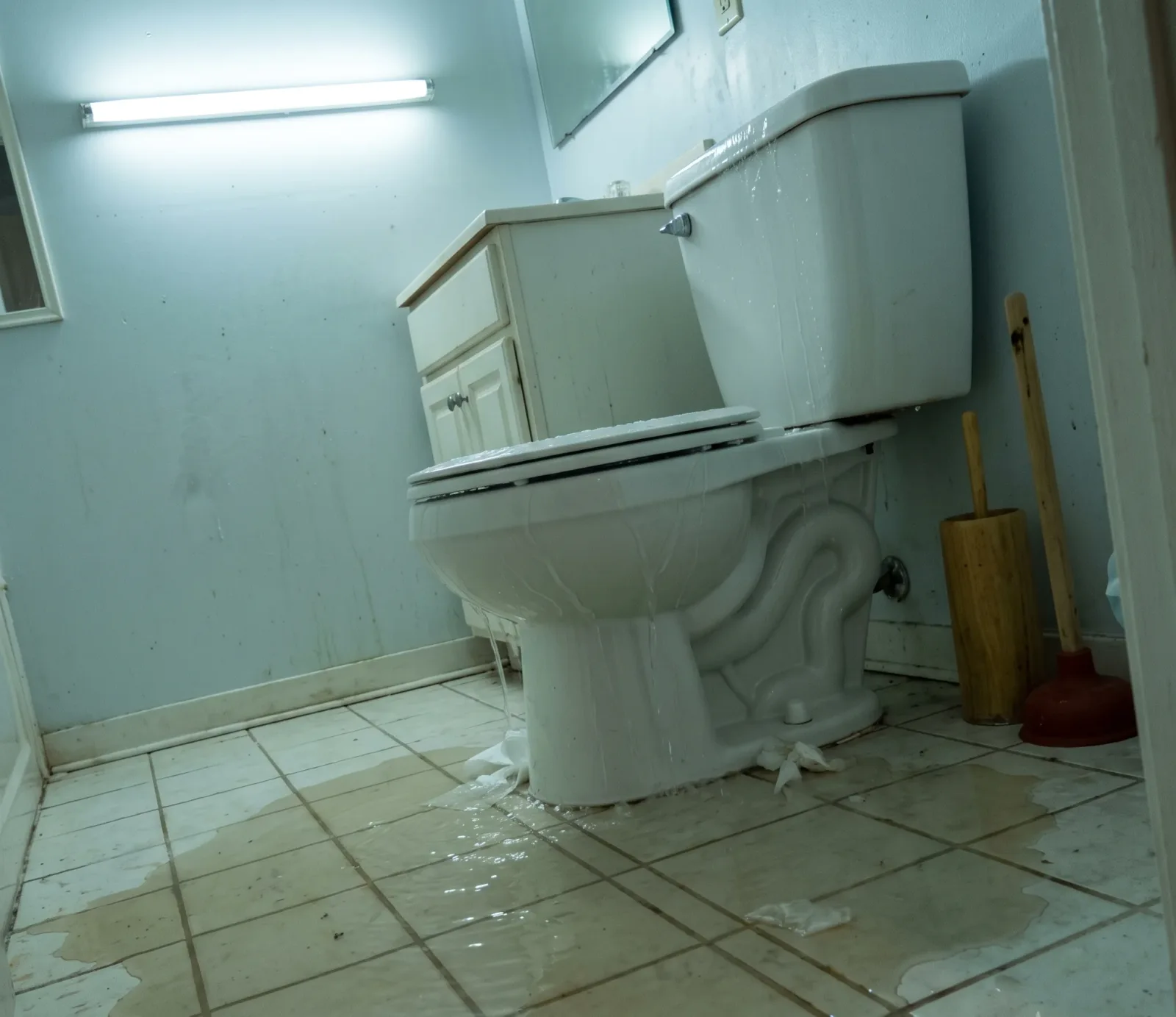
Sewage coming back up through a toilet is a biohazard, not a spill to mop. What to do first in an Austin home, and what has to be thrown out.
Read articleThis page covers one piece of a larger response, because water damage in Austin almost never stays contained to a single system. A slab leak from clay soil movement can reach flooring, drywall, and electrical in the same afternoon, and drying one without checking the others leaves a problem behind. The licensed pros we connect you with look at what the water actually touched, from Zilker to Windsor Park, before deciding what this particular step requires.
Call (512) 764-6583