
Local & Seasonal
Why Does My Street Flood in a Downpour in Austin?
Why some Austin streets flood before the rain even lets up, from storm drain limits to clay soil that won't soak in, and what a homeowner can actually change.
Read article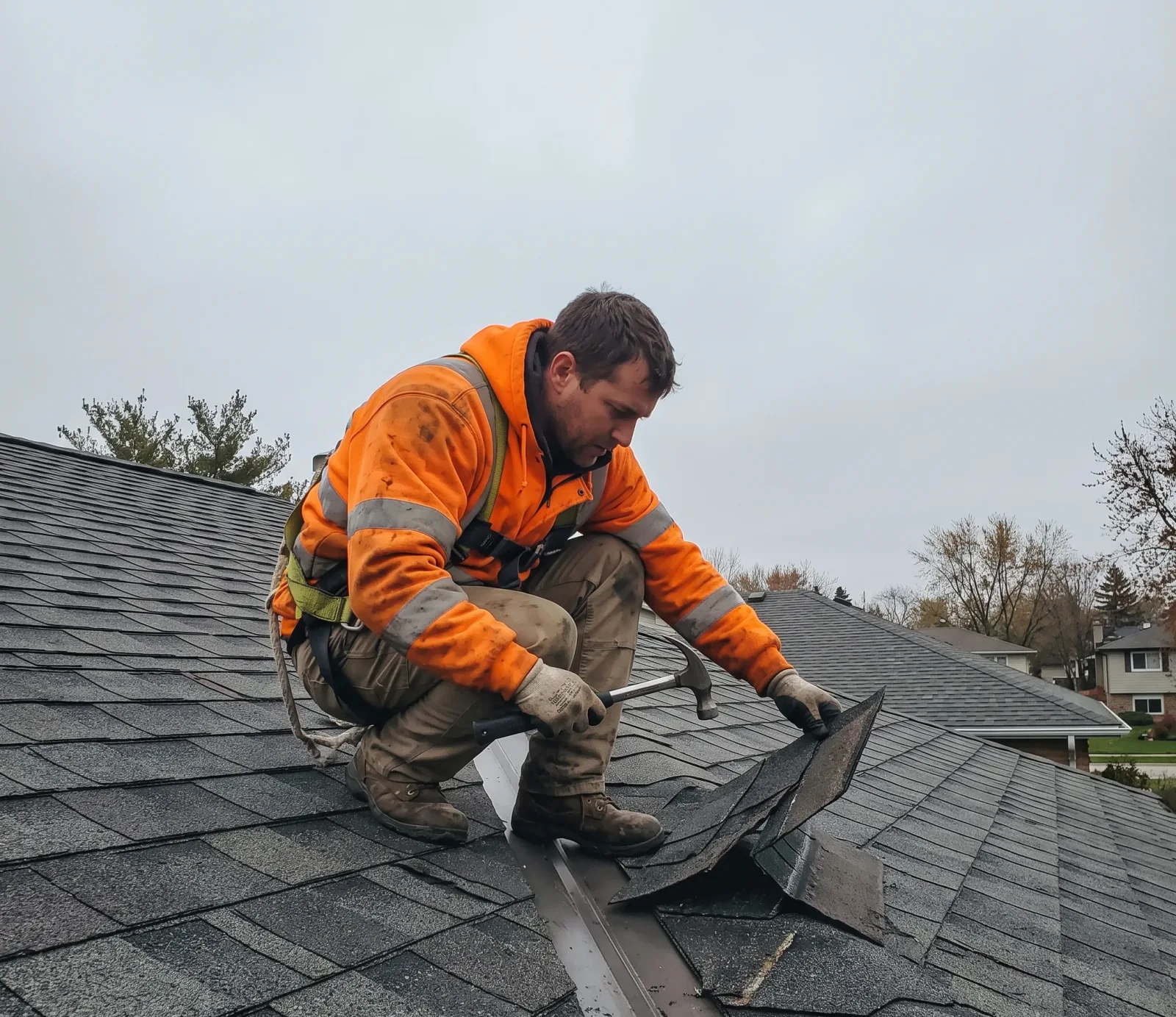
Fast tarping, board-up, and water extraction from licensed local pros after Austin storms and flash floods.
Storm damage restoration in Austin, TX has to start before the storm fully passes, because wind-driven rain soaks insulation and drywall before anyone notices.
The licensed pros we connect you with handle storm damage restoration services for homes and commercial storm damage restoration for businesses, from tarping to flood water removal. Call now.
Flood damage restoration means pulling out standing water first, then drying the structure until moisture readings confirm it is dry. Extracting creek overflow first stops it from wicking into slab-adjacent framing.
A good flood restoration company starts the same day once conditions are safe. Commercial flood damage restoration follows the same steps for businesses near Onion Creek and Shoal Creek.
Central Texas humidity slows drying, so drying often takes longer than extraction.
Storm restoration starts by sealing the opening, then removing water and drying what the rain soaked. Tarps and emergency board-up cover broken windows and torn roof sections against the next round of wind-driven rain.
The first check is whether the roof deck stayed sealed or wind-driven rain got behind the flashing. That decides between tarping a small breach and a full board-up.
Local storm damage in Austin usually means flash flooding, wind-driven rain, or both at once from the same storm cell.
Flooding on Shoal Creek or Onion Creek can put water at the door within an hour of a downpour, and slab homes have no basement to absorb it.
Flash flood closures on Interstate 35 or US 183 can slow access, so call early.
Rain pushed sideways gets into gaps around windows, soffits, and roof edges. Look for wet drywall and ceiling stains, especially in older homes.
Onion Creek and Shoal Creek rise fast in a heavy downpour. Homes near the floodplain can take on water with little warning.
A storm cell can cut power in minutes and shut off sump pumps and drying equipment. A generator keeps extraction running until service returns.
The licensed pros we connect you with check wind intrusion, flood water, and structural safety before equipment goes in.
Emergency board-up and tarping seal broken windows and torn roof sections against the next round of rain.
Flood water and storm debris come out, and drying equipment runs until moisture readings confirm the structure is dry.
Wind and water damage are documented separately for the claim, then repairs proceed under city permit once drying is verified.
Wind-driven rain finds every gap in an Austin roof, and slab homes have no basement to absorb the overflow. Water moves into insulation and drywall fast, so restoration has to start before the rain stops.
Structural repair after storm damage in Austin falls under permits from the City of Austin Development Services Department. In a genuine emergency, like a torn roof section or flooded interior, licensed contractors can start work immediately and file the permit afterward.
Texas homeowners insurance generally treats wind damage and flood water as separate categories, which matters most when one thunderstorm brings both. Wind-torn shingles are usually a covered peril, while rising creek water often needs a separate flood policy.
A slab home off South Lamar and a raised house near Travis Heights don't dry the same way after Onion Creek rises. Crawl space moisture lingers under one; slab cracking lets water track sideways under the other. That difference in access and drying time is most of what separates the two price quotes.
| Freeze Risk | Creek Proximity | Permit Needed |
|---|---|---|
| Built for water reaching more than one room, common after a Hill Country storm overwhelms yard drainage before Shoal Creek or the storm drains can carry it off. | Austin sits where the Hill Country's thin limestone soil meets Blackland Prairie clay, so runoff toward Shoal Creek and Waller Creek behaves differently block to block. A slab near the Colorado River can flood fast; a Tarrytown foundation cracks slow, from clay that swells after Hill Country storms. | an estimated $2040–$12600 |
| Matches homes near Onion Creek or Williamson Creek where flash flooding pushes water across a slab, needing extraction and multi-room drying rather than one spot check. | Clay soil under Austin shifts with every rain, and that movement cracks slab foundations from Mueller to Windsor Park. A hairline crack lets water creep sideways under drywall for weeks before a stain shows. By the time you see it on a wall near Lamar Boulevard or Guadalupe Street, insulation and framing underneath are already soaked. | an estimated $2400–$18000 |
| Drying costs track equipment-days, not square footage, since a slab home near Travis Heights on post-tension concrete dries faster than an older pier-and-beam house in Hyde Park with a vented crawl space underneath. | Post-tension slabs under homes from Zilker to Mueller ride on soil that moves with every rainfall cycle. Cracks open along the slab edge, and water finds them fast. What starts as a damp baseboard near South Congress can undercut flooring before a Travis County adjuster ever walks the property. | an estimated $3600–$28800 |
| Cost during drying tracks equipment-days against daily moisture readings, not a flat number. A two-story home near Allandale dries on a different schedule than a single-story ranch nearby. | Austin splits geologically at roughly Mopac Expressway: harder ground toward West Lake Hills sheds storm bursts fast into Barton Creek, while flatter land past Interstate 35 near Mueller and Windsor Park holds runoff longer against slab foundations. Either side, a summer downpour can pool against a house before the street even drains. | an estimated $5760–$48000 |
A number quoted over the phone before anyone checks the slab is a placeholder, not a price. The licensed pros we connect you with walk Zilker or Hyde Park homes first, then price what standing water actually reached.
Yes, response does not wait for the storm to fully pass. The licensed pros we connect you with take calls during active weather and move in as soon as wind and lightning make it safe to reach the property.
Emergency board-up covers broken windows, torn roof sections, or damaged doors with plywood or tarping right away. It keeps wind-driven rain and debris out while the property waits on permanent repair.
Austin has no defined hurricane season like coastal cities, but tropical systems and heavy rain remnants tend to arrive between June and November. A tropical system moving inland can drop extreme rainfall without reaching hurricane strength here.
It depends on the cause. Texas homeowners insurance generally treats wind damage and flood water as separate categories, so wind tearing shingles loose is usually a covered peril while rising creek water often falls under a separate flood policy.
Yes, once repairs move into drywall, electrical, or structural work, a licensed contractor is required. Water removal and drying alone do not require the same licensing.
As a guide, storm & flash flood damage restoration here works out at an estimated $2400–$12000 per treatment. Bigger properties and established activity sit at the upper end; a single contained issue caught early sits at the bottom. Nothing is charged until you have approved a written estimate.
Austin sits where flat blackland clay east of I-35 meets Hill Country limestone to the west, and flash floods off Shoal Creek or Waller Creek behave differently depending on which side of that line your slab sits on. Water finds the low spot fast either way.
Why some Austin streets flood before the rain even lets up, from storm drain limits to clay soil that won't soak in, and what a homeowner can actually change.
Read article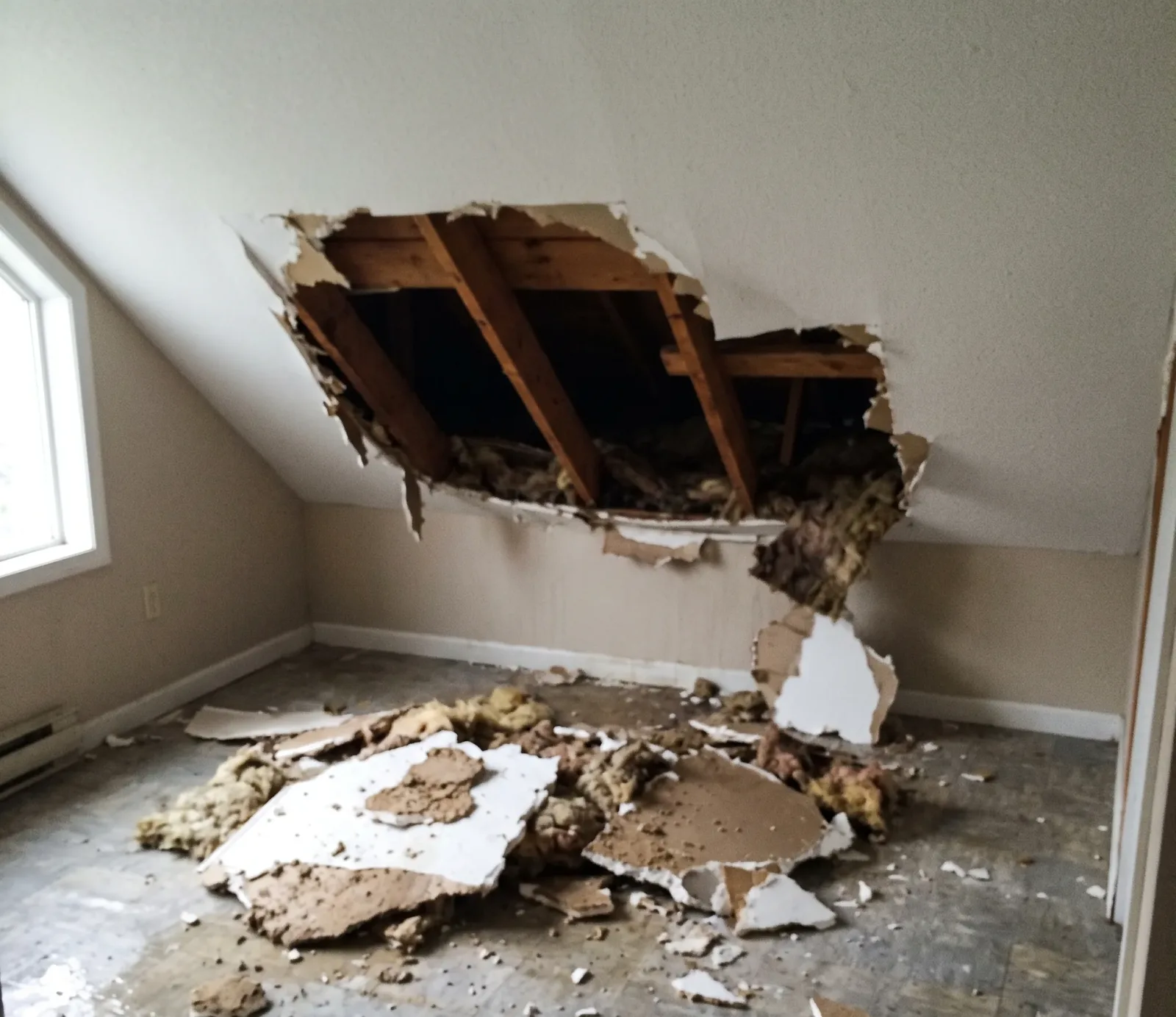
A leak crossing from a shared wall into your Austin condo raises a split question: which policy — the association's master coverage or your own — actually pays for what.
Read article
Warm, wet outdoor air near the Colorado River leaves less room for indoor moisture to go anywhere. Here is why that changes how long a dehumidifier has to run in Austin.
Read articleThis page covers one piece of a larger response, because water damage in Austin almost never stays contained to a single system. A slab leak from clay soil movement can reach flooring, drywall, and electrical in the same afternoon, and drying one without checking the others leaves a problem behind. The licensed pros we connect you with look at what the water actually touched, from Zilker to Windsor Park, before deciding what this particular step requires.
Call (512) 764-6583