A flooded room in Travis Heights or a leak near Barton Springs Pool rarely dries on the timeline a homeowner expects. The delay is not the crew's fault or the equipment's. It is the air itself. Austin's humid subtropical climate means outdoor air is often already carrying a heavy moisture load, especially through the wetter months, and that changes how fast a wet structure can give up its water.
What Relative Humidity Means Here
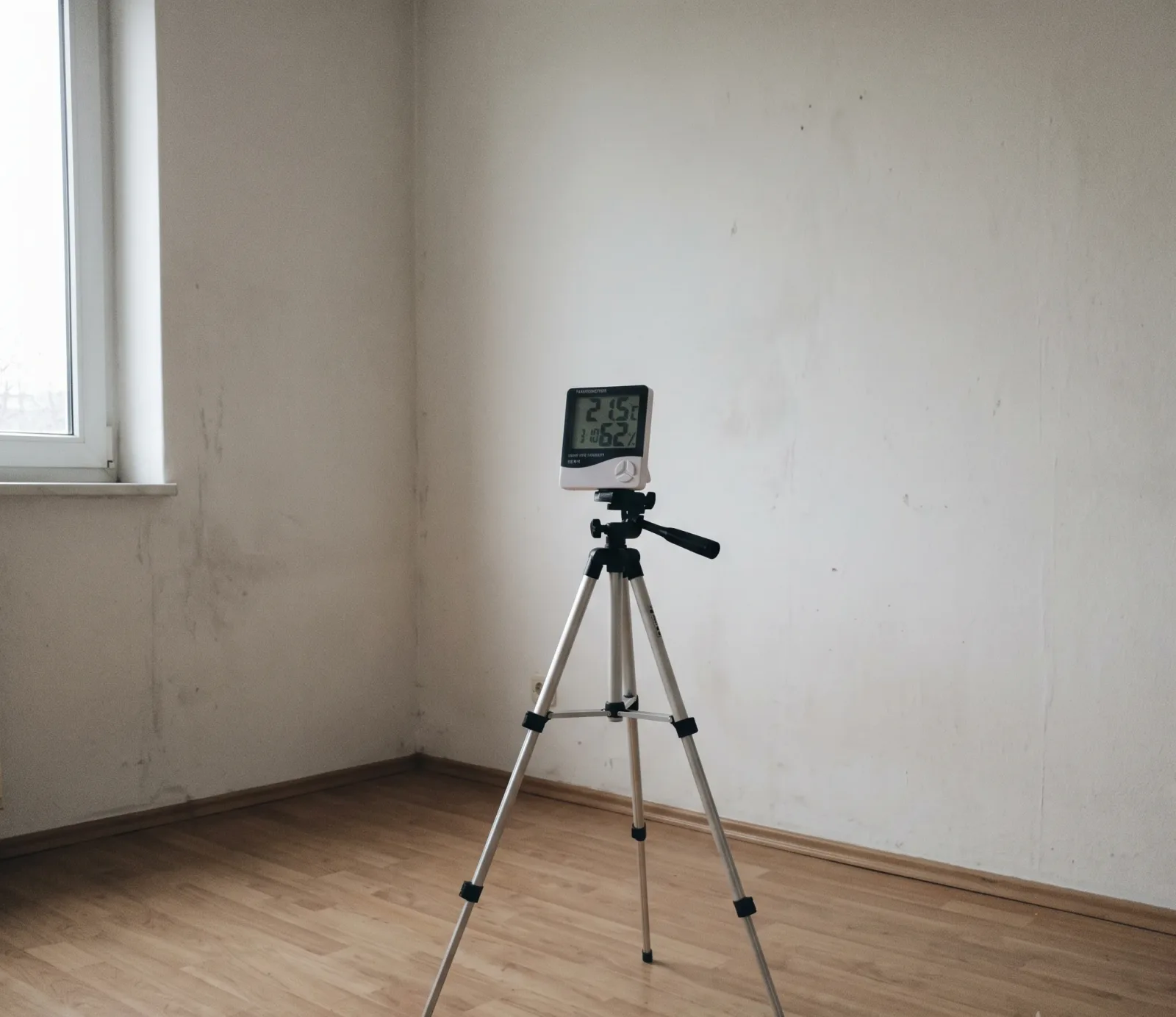
Relative humidity is a percentage, and percentages are relative to temperature, which is why the number is easy to misread. A hot August afternoon in East Austin can show a lower reading than a cool October morning near Mueller, even though the second air actually holds more water. Ambient air with a high moisture load simply cannot absorb much more from a wet carpet or soaked drywall.
Dew Point Beats The Percentage
Dew point stays honest where relative humidity does not, because it reports actual water vapor in the air rather than a ratio that shifts with heat. A dew point in the 70s, common around Austin in summer, describes air already close to saturated. Drying equipment set up in a home near Zilker Park or South Congress is fighting that number directly, not the thermometer.
How Vapor Pressure Moves Moisture
Evaporation depends on vapor pressure, the pull that moves water molecules from a wet material toward drier surrounding air. When outdoor air pushing into a home along Lamar Boulevard or through an open door in Hyde Park is nearly saturated, that pressure gap shrinks. Less pull means less evaporation, no matter how soaked the flooring or drywall actually is.
Grain Depression And Why It Stalls
Grain depression describes the gap between moisture trapped in wet material and moisture already in the surrounding room air, measured in grains per pound. Dehumidifiers exist to widen that gap by pulling grains out of the room. In a Crestview or Windsor Park home during a humid stretch, the room air starts out closer to the material's moisture level, so the gap the machine has to create is smaller from the start.
Why Open Windows Do Not Help
In a drier region, cracking windows or running a fan pulling in outdoor air can genuinely speed things up, because that air has room left to absorb more moisture. Austin's psychrometrics rarely allow that shortcut. Outdoor air pulled into a Clarksville bungalow or a Rosedale duplex in July is often as saturated as the air already inside, so opening the house does little beyond letting the heat in.
Why Dehumidifiers Run Longer Here
A water loss that clears in three days somewhere dry can reasonably take longer in Austin, and the equipment is not to blame. Refrigerant dehumidifiers have to work harder pulling grains from air that starts with a heavier moisture load. Homes near Lady Bird Lake or along Shoal Creek, close to more ambient humidity, often need units running extra days past what a textbook drying chart suggests.
Pier And Beam Homes Trap Moisture
Older pier-and-beam homes, common in pockets of MLK and Rosewood, add a crawl space into the drying equation. That space holds its own humid climate, often slower to exchange air than the room above it. A leak that soaks a subfloor here can leave moisture cycling between the crawl space and the living area, stretching the drying window past what a slab foundation home would need.
Slab Homes And Indoor Climate Drift
Most Austin homes sit on a slab foundation rather than a basement, since below-grade basements are rare here compared to older housing stock elsewhere. That does not remove humidity from the equation. A slab home in Circle C Ranch or Avery Ranch can still see indoor climate drift toward outdoor conditions if HVAC is off or struggling, letting moisture load build back up even after visible water is gone.
Why The Mold Clock Keeps Running
EPA guidance puts the window for mold growth at 24 to 48 hours on wet material left undried. Humid ambient air does not pause that clock. A slower drying timeline in a home near Mueller or Windsor Park means the moisture sits in materials longer, which is exactly the condition mold needs, regardless of how reasonable the delay is on paper.
Reading Your Drying Timeline Honestly
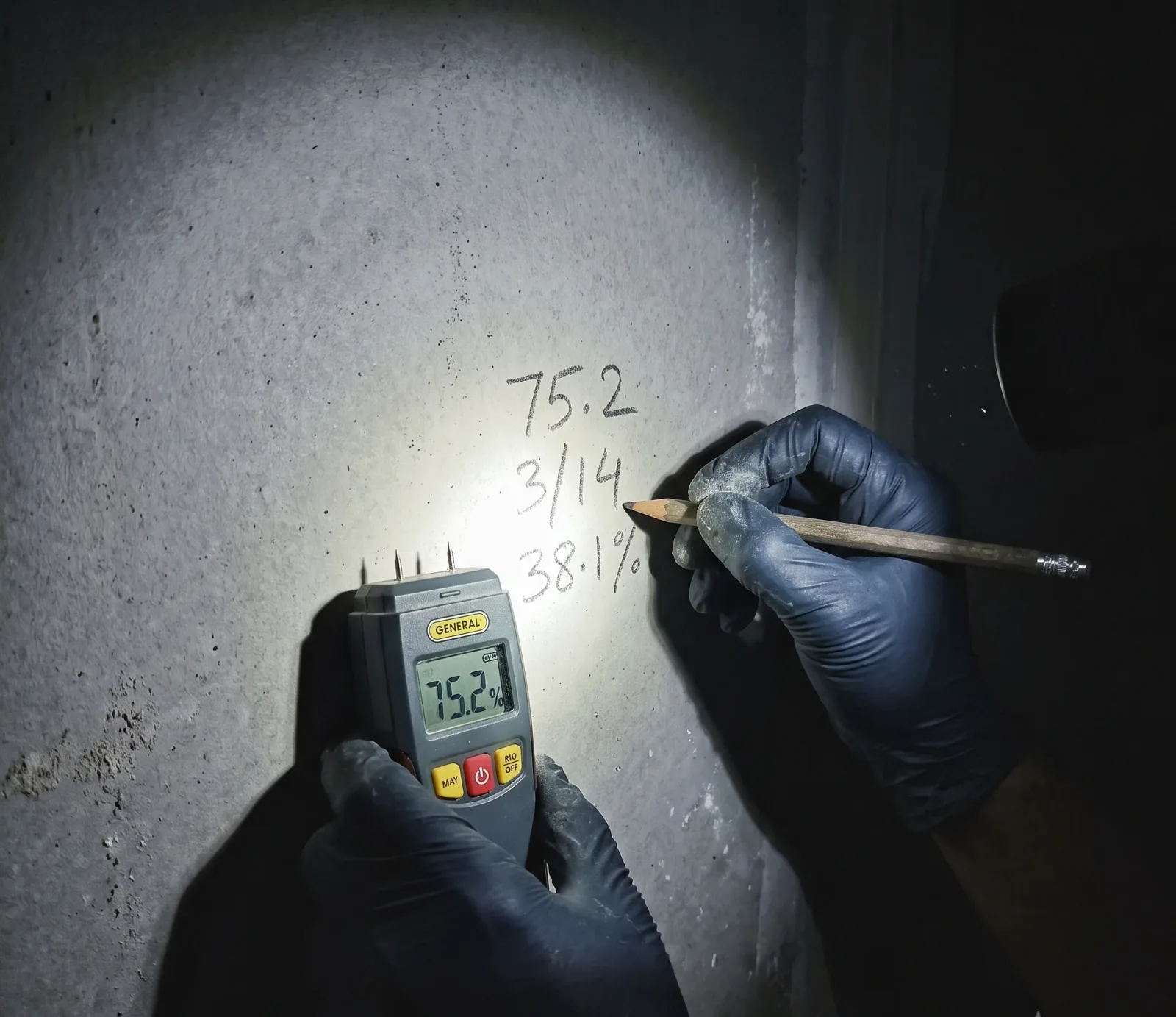
Reading a drying timeline honestly means expecting moisture meter numbers to move unevenly day to day, tracking outdoor humidity more than the calendar. A dry week can pull numbers down fast; a humid stretch can stall them for days. Homeowners near Cherrywood or Allandale watching this process should expect that unevenness rather than a straight line to dry.
What This Means For Your Home
This is where patience matters more than airflow. A room can feel dry to the touch in Austin while a moisture meter still reads high inside the drywall or subfloor. Fans move air across a surface, but they cannot pull bound water out of a stud or a slab edge on their own. Until the reading in the material itself drops, the job is not finished, no matter how the carpet feels underfoot near Congress Avenue or anywhere else in town.
Dealing with this in your home?
Austin's clay soil expands after rain and pulls back tight in a hard freeze, so a post-tension slab near Zilker can crack years after the pour. Add Hill Country storms that dump inches in an hour, and Shoal Creek pushes water toward homes that never flooded before.