Water shooting or spraying from a wall fitting
Water running from a ceiling or light fixture with nothing above it points to a supply line failing between floors or inside an upper wall. Shut the main off and call before the ceiling sags further.
Hard freezes like Winter Storm Uri in February 2021 push burst lines citywide, but pipe corrosion and worn fittings can fail in any season, including during Central Texas humidity in summer.
A burst supply line is a pressurized pipe feeding a sink, toilet, or washer that splits open, usually from a hard freeze or pipe corrosion at an old joint. Water sprays or pours until the main is shut off. It escalates from a wet cabinet floor to soaked drywall within an hour in most Austin homes.
A hard freeze doesn't visit Austin often, so pipes in older sections near Hyde Park or Rosedale rarely got the insulation colder cities require. When one hits, a burst pipe can flood a house before anyone's awake to stop it.
Water running from a ceiling or light fixture with nothing above it points to a supply line failing between floors or inside an upper wall. Shut the main off and call before the ceiling sags further.
A cabinet floor turning damp under a kitchen or bathroom sink usually means the line feeding that fixture, or the P-trap fitting near it, has let go out of sight. Close the stop valve under that sink right away.
A sudden hissing sound behind a wall, followed by water spreading fast across the floor, means a supply line has split, not just a slow drip. Shut off the main valve and call a plumber before the slab or drywall soaks through.
A ceiling stain spreading below a Hyde Park or Cherrywood bathroom means the supply line feeding that fixture has been weeping or spraying inside the joist bay for days already. Cut power to that room and get it looked at now.
Flooring that feels soft or lifts near a toilet or shower pan, with no storm runoff nearby, points to a line leaking underneath rather than surface water tracking in from outside. Get the subfloor checked before it spreads.
Austin's clay soil shifts with rainfall and drought, stressing rigid supply lines buried under the slab until one splits without warning. A hard freeze compounds this, since older homes near Hyde Park or Crestview often have exposed lines in attics or garages.
Clay soil under much of Travis County shifts with rainfall, stressing supply lines at joints over years. A line already strained by that movement is more likely to split outright once a hard freeze or pressure spike hits it.
Expansive clay under East Austin and Mueller shifts with every wet-dry cycle, and that movement is what actually cracks a slab, not the water itself. Once the crack opens near a bathroom or kitchen line, water finds its way in on the next rain.
A water heater failure, where a tank fitting or the tank itself gives way near the unit, producing a similar sudden flow but confined closer to that one appliance. A slab leak seeps up through a post-tension slab slowly, often as a warm floor patch with no spray. A burst supply line lets go all at once, usually inside a wall or under a fixture, and the flow keeps building until someone finds the shutoff valve.
A burst supply line sprays or streams the moment the pipe gives way, and Austin water pressure keeps it flowing until someone finds the shutoff. The licensed pros we connect you with trace the break, cut power to affected outlets, and start pulling standing water before drywall and flooring absorb more.
Once the source is confirmed, they pull standing water with extraction equipment and check subfloor and cabinet backing for saturation. Insulation and baseboards near the break usually need to come out before drying equipment goes in, since trapped moisture behind them slows everything down.
Austin sits on a fault line between two soil types, not a coastline, so flooding here means Onion Creek or Shoal Creek rising fast, or a post-tension slab cracking under clay soil movement near I-35. The licensed pros we connect you with read that difference before they open a wall.
| What's Covered | Cost Factors |
|---|---|
| Water in Austin follows the Balcones Escarpment split near I-35. West of it, thin soil over limestone sheds rain fast toward Barton Creek and Bull Creek. East, in neighborhoods like Windsor Park and Mueller, clay holds moisture against slabs longer after any storm. | A Tarrytown home near Lake Austin and a Windsor Park house off Cherrywood age the same way structurally, but flood differently. Clay soil swells after rain and pulls at slab edges, while pier-and-beam homes near Hyde Park face crawl-space moisture instead of cracked concrete. |
| Onion Creek and Shoal Creek rise fast when Hill Country storms dump rain upstream. Homes near the floodplain in South Austin or along Waller Creek take on water at grade, not from a pipe. Cleanup timing matters more than the source once it's inside. | Austin homes sit on concrete slab foundations, not basements. When clay soil under the slab shifts or a pipe fails beneath it, water spreads sideways under the flooring before anyone notices a puddle. A homeowner near Travis Heights or Mueller often smells it before they see it. |
| Zilker sits near Barton Springs Pool, where limestone runs close to the surface and rainfall has nowhere to soak in slowly. Water sheets across yards toward Lady Bird Lake fast, reaching slab foundations within minutes of a Hill Country downpour, not hours. | Cedar fever season gives way to spring storms, and by the time Barton Springs Pool is crowded again, plenty of Austin homes have already taken on water once. What a house near Mueller needs after that first flood rarely matches what a Clarksville bungalow needs. |
Turn off the main valve, usually at the meter near the street, and open the fixture's stop valve too if you can reach it. That part is safe. Do not cut into drywall, pull baseboards, or guess whether a cast iron pipe or a post-tension slab cable sits behind the break; that call belongs to a licensed plumber.
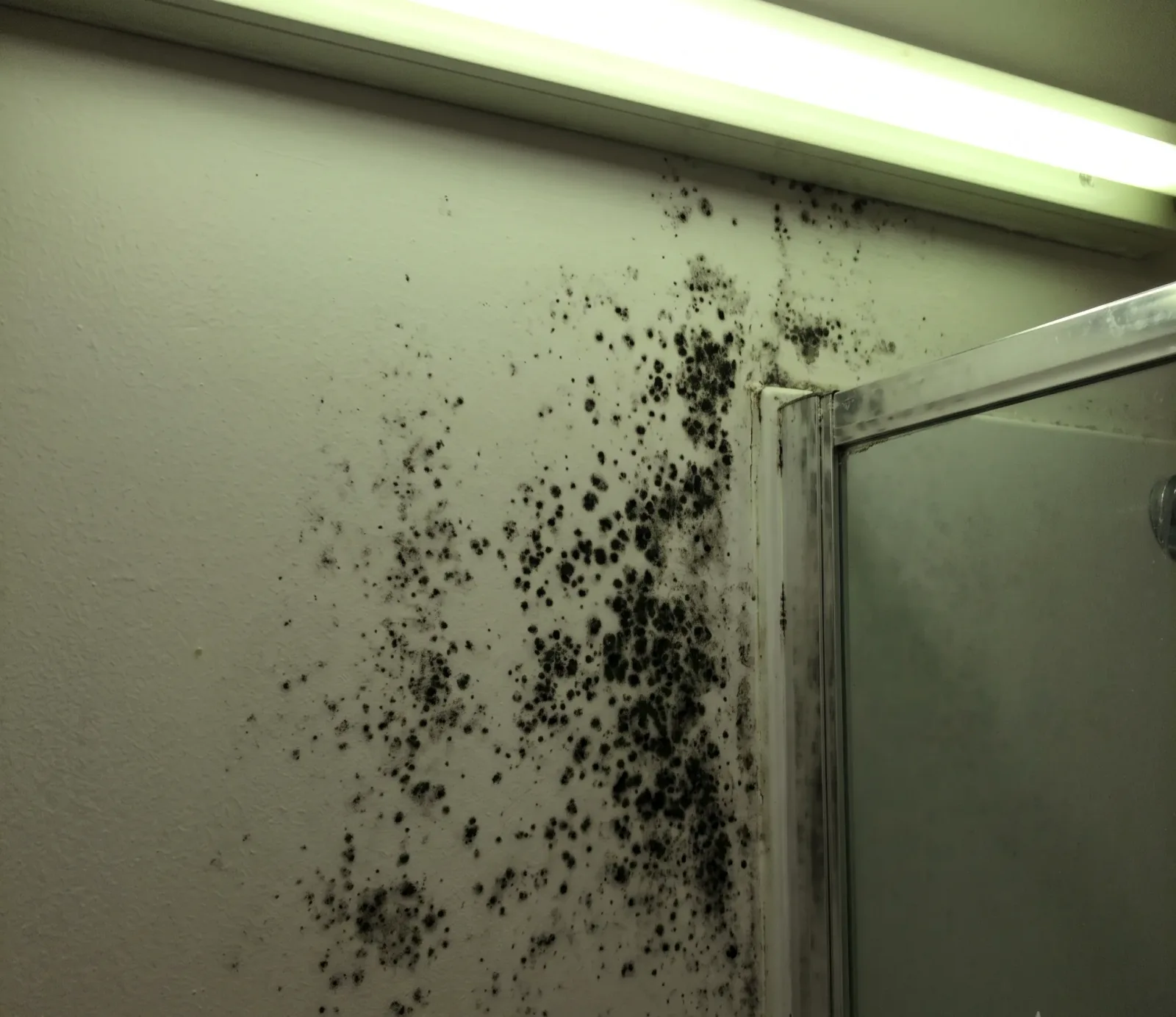
A burst supply line pushes clean tap water into drywall, subfloor, and cabinetry under pressure, unlike a toilet overflow or sewage backup, which carry bacteria from day one. Austin's clay soil holds moisture near the slab, so a wall cavity that stays wet past two days invites mold growth. Framing near French Place or Rosedale homes softens fast once saturated, and the smell changes before the stain does.
A slab crack near Shoal Creek or Waller Creek won't wait for business hours. Reach out now and a licensed pro can start today.Water that sits for days near Zilker or Hyde Park can turn a drying job into a mold job. Once growth starts, TDLR-licensed mold remediation is priced apart from extraction and drying. Ask for both numbers in writing before the licensed pros in Austin start work. pricing guide, and the service that handles this is Burst Pipe & Supply Line Water Damage.
Water Heater Failure. Water heater failure in Austin usually shows as a puddle spreading from the tank's base, rust-colored water from taps, or a tank that's warm to the touch on the outside.
Toilet Overflow Cleanup. A toilet overflow is water and waste rising past the bowl rim onto the bathroom floor, usually from a clogged line or a fill valve that won't stop running.
Water Intrusion Cause. A roof leak in Austin is water entering through cracked shingles, damaged flashing, or a chimney seal, then running along a rafter before it stains a ceiling or bulges paint.
It means a pressurized line feeding a fixture has split, not a slow drip or a P-trap seal failing under a sink. Water keeps flowing until the main valve is closed, so cabinetry and flooring near Hyde Park or Cherrywood homes take on water fast.
Older homes near Clarksville and Travis Heights still carry galvanized or early copper lines that develop pipe corrosion at joints over decades. A pinhole there can widen suddenly under normal pressure, with no warning beyond a faint hiss behind the wall.
Usually yes, if the pipe split suddenly under normal pressure rather than leaking slowly from neglect. A standard homeowner policy in Austin is generally built for sudden, accidental discharge, though coverage depends on the specific policy and claim history.
They shut the water off at the meter first, then trace whether the line runs inside a wall, under a slab, or near a water heater. Moisture readings in drywall and baseboards near Mueller or Windsor Park homes map how far the water traveled before drying starts.
West of the Balcones Escarpment, limestone sits close to the surface around Bull Creek and Barton Creek Greenbelt, so runoff moves fast instead of soaking in. A hard rain there fills low-lying yards before it ever reaches Lady Bird Lake downstream.
Call (512) 764-6583