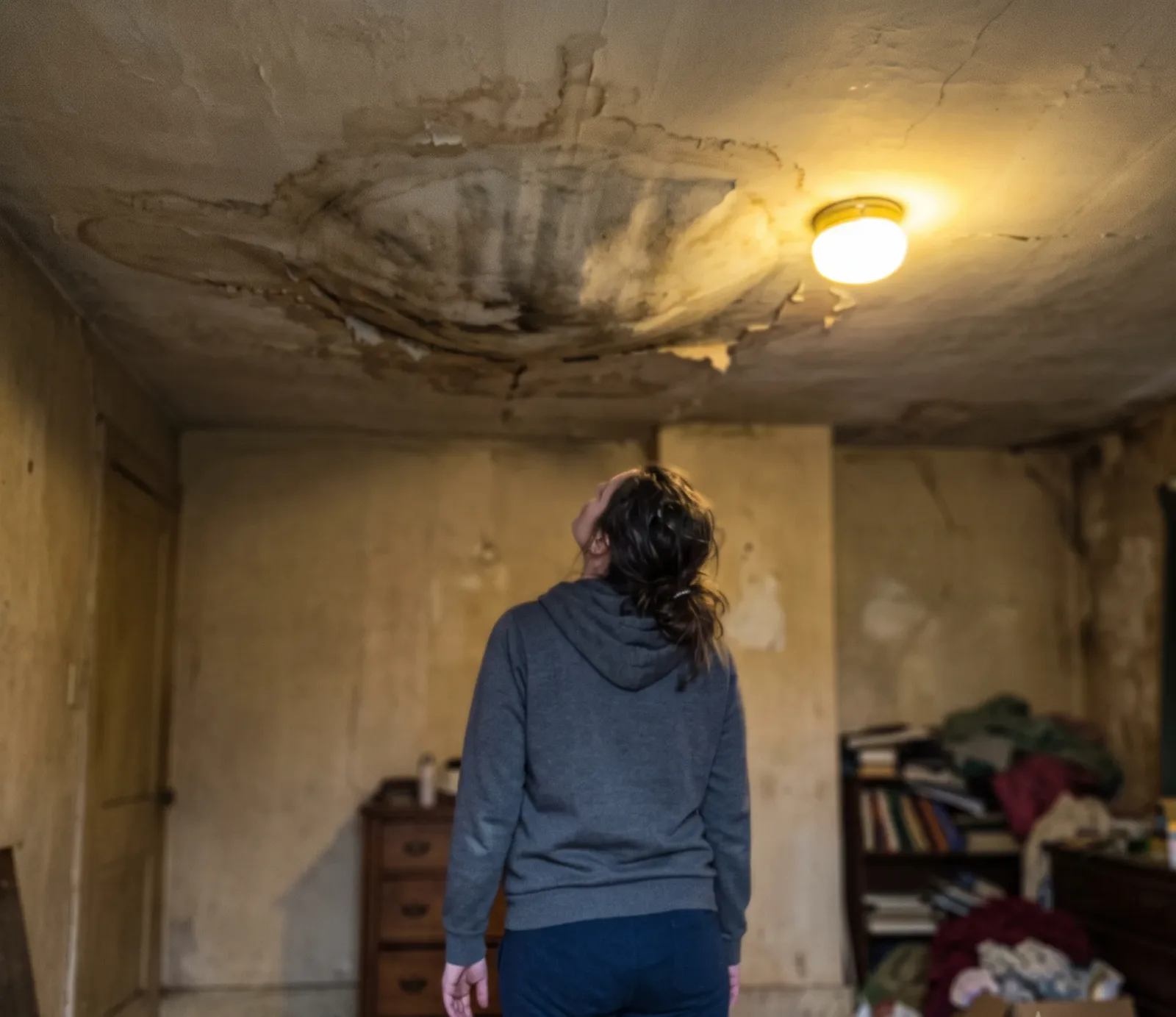
Filing a Water Damage Insurance Claim in Austin, TX
What a Travis County policy actually pays, and the steps that get a water claim paid.
In Austin, homeowners policies generally cover sudden water losses like slab leaks or freeze-related pipe failures, but exclude gradual seepage and creek or floodplain flooding without separate flood coverage. Photograph everything, file notice of loss quickly, and track the adjuster's scope of work before agreeing to a settlement.
What To Record Before Anything Gets Moved
A pipe splits under a slab in Travis Heights, or a water heater fails in a Mueller garage, and the response in those early minutes shapes the claim later. Shut off the source, pull the plug on anything electrical sitting in water, and start photographing before you touch a single wet item. Insurers weigh what you can show over what you can describe.
Notice of loss means telling the carrier a loss happened, with the address, date, and a short account of what caused it. Austin homeowners should do this the same day water is found, not after drying out has started. Waiting invites questions later about whether damage grew worse from delay rather than from the original event itself.
Mitigation is the other early duty, separate from notice. Policies generally require the homeowner to limit further damage, running fans, pulling up soaked carpet, tarping a roof leak, before an adjuster ever arrives. Skipping this step in a Hyde Park bungalow or a Circle C Ranch home can give an insurer grounds to reduce a payout later.
Getting The Notice Of Loss In On Time
Once notice is filed, an adjuster gets sent out to walk the property, measure moisture, and write up what they find. Homeowners in Allandale or Windsor Park sometimes bring in a public adjuster instead, someone licensed to negotiate the claim on their behalf, since a Texas restoration contractor is barred from acting as one on a job they're also bidding.
Do not haul damaged flooring or drywall to the curb before the adjuster sees it. In an Austin home on a slab, water often tracks under baseboards toward the interior, so leave affected sections in place, photograph them from several angles, and only remove material once mitigation crews or the adjuster have logged what was there.
- Walk every room in the house before anything gets moved, and shoot wide photos first, then close on baseboards, cabinets, and flooring where water pooled.
- Note the date, time, and suspected source the moment standing water appears in an Austin home, whether that is a slab crack, a burst supply line, or runoff after a Hill Country storm.
- Send your insurer written notice of loss instead of a phone call alone, since a dated message becomes part of the record if the claim later stalls.
- Keep receipts for anything bought to stop the spread, like fans, a wet vac rental, or plastic sheeting, since mitigation costs get folded into the claim.
- Leave damaged drywall, flooring, and cabinetry in place until the adjuster has looked at it or cleared you to remove it ahead of the visit.
- Log every call and email with the insurer in one place, including who you spoke with and what they said, in case the claim heads toward a denial.
How The Adjuster's Inspection Actually Runs
A standard Texas homeowners policy typically covers water damage that is sudden, a supply line that splits, a water heater tank that gives out, an appliance connection that lets go. Clay soil movement common around Austin can crack a slab and let water in, and whether that qualifies often comes down to whether the crack itself was sudden or developed slowly over seasons.
Austin homeowners policies generally pay for a pipe that splits during a hard freeze or a water heater that fails without warning. Water that seeps in gradually, or damage tied to a foundation crack that's been growing for months, usually falls under a policy exclusion. Clay soil movement around a slab is treated by many insurers as a maintenance issue rather than a covered peril, so ask the adjuster directly how that distinction is being applied to your claim.
- A standard policy generally pays for sudden water discharge, such as a pipe failure inside the slab, but treats a slow, long-running leak differently once it reaches drywall and framing.
- Surface flooding that enters at grade during heavy rain, including runoff near Shoal Creek or Onion Creek, is typically excluded unless flood coverage was added separately.
- Sewer or drain backup usually needs its own endorsement to be paid; without it, water forced back through a fixture during a downpour may fall outside the base policy.
- Mold tied directly to a covered water event is often paid up to a set sublimit, while mold traced to a leak that sat untreated for months usually is not.
How Texas Policies Pay Out On Water Losses
The adjuster inspects the property and builds an itemized estimate, usually with Xactimate software, listing each repair line and its cost. This becomes the scope of work your payout is based on. If the number feels low against bids from local contractors near Mopac Expressway or I-35, you can push back with your own itemized estimate before signing off.
A backup through a floor drain or a failing sump setup is often left out of a base policy near Shoal Creek or Onion Creek unless you carry a separate endorsement for it. Once coverage is confirmed, the adjuster's scope of work should list each damaged item with either actual cash value or replacement cost value attached. If the itemized estimate looks thin compared to your own notes, an appraisal clause or a supplemental claim can push the number closer to accurate.
| Source Of Water | Usually Paid | Usually Not Paid |
|---|---|---|
| Slab leak under the foundation | Cutting into the slab, drying out | Repairing the pipe itself |
| Frozen pipe burst in a hard freeze | Water damage from the break | Pipes that just needed insulation |
| Flash flood from Onion Creek or Shoal Creek | Nothing, without a separate flood policy | This is a flood exclusion, not a gap |
| Roof leak during a Hill Country storm | Sudden wind or hail damage to the roof | A roof already past its useful life |
| Mold found after the water is gone | A capped dollar amount, if any | Mold tied to a maintenance issue |
Pushing Back On A Low Or Denied Payout
The adjuster's estimate is a starting point, not a final word. If drying crews find soaked subfloor under a Crestview or South Lamar kitchen after the initial walkthrough, a supplemental claim reopens the same loss with the new damage attached. Photos of what was hidden behind cabinets or flooring carry more weight than a description after the fact.
Mitigation, the drying and equipment work that stabilizes a home right after a pipe bursts or a flash flood reaches the foundation, is billed separately from repairs and usually has to happen first. An adjuster often cannot finish a scope of work until moisture readings confirm the space is dry, which can stretch the claim timeline by more than a week in Central Texas humidity.
When A Public Adjuster Is Worth Hiring
A denial letter is not automatically the end of a claim. Many get reversed once a homeowner submits a corrected scope of work, an itemized estimate from a second inspection, or documentation the adjuster's report missed. Reading the denial letter closely for the specific policy exclusion cited is the first step before deciding what to submit next.
Know the deductible before signing off on any number, since it comes off the top regardless of how the rest of the claim resolves. Texas law requires the insurer to acknowledge a claim within 15 days and respond in writing within 15 business days of receiving proof of loss, timing worth tracking if an Austin claim seems to be stalling without explanation.
Numbers To Have Ready For TDI
- Texas gives insurers, not homeowners, fixed deadlines: 15 days to start investigating, 15 business days to accept or reject your proof of loss.
- Texas Insurance Code Chapter 4102 requires anyone who negotiates a property claim for pay to hold a TDI public adjuster license; contractors are barred from acting as one on jobs they are bidding.
- A contractor working on your Hyde Park or South Lamar property cannot also act as your public adjuster under Insurance Code §4102.163.
- Public adjusters need a Texas Department of Insurance license under Chapter 4102 before they can negotiate a claim for pay.
- Standing water left in a slab home near Barton Creek or Onion Creek can support mold growth within 24-48 hours, per EPA guidance, so fast drying matters to your claim.
- Austin's Emergency Permits program lets repair work start immediately when damage is worsening, with the permit and inspection filed afterward.
Frequently Asked Questions
What should I photograph first after a leak?
File notice of loss the same day you find the damage, then start photographing before anything is moved. Set aside wet flooring and furniture rather than discarding it. Austin's clay soil and slab foundations make cause tricky to prove, so let the adjuster document the loss before repairs begin, and keep every receipt tied to it.
How fast must my insurer respond in Texas?
Texas Insurance Code sets insurer deadlines, not yours: acknowledgment and investigation within 15 days of notice, a written accept or reject within 15 business days of receiving your proof of loss, then payment within 5 business days of that acceptance. Missing those windows is worth flagging back to the company.
What's the difference between ACV and RCV payouts?
Actual cash value subtracts depreciation for age and wear from the repair cost, so an older roof or floor pays out less than new. Replacement cost value covers what it actually costs to rebuild with similar materials today, often released as a second payment once repairs are done.
Can I push back on a low estimate?
Ask the adjuster for their line-by-line scope of work, usually built in Xactimate, and set it beside a written bid from your own contractor. Large gaps in quantities or pricing are worth a written objection, and Travis County contractors can back up your numbers with photos.
Is a public adjuster worth hiring here?
Texas requires a state license under Insurance Code Chapter 4102 for anyone who negotiates your claim for pay, and a restoration contractor working on your home cannot also serve as your adjuster under that same chapter. Whether the fee is worth it depends on how contested the payout is.
Ready to get your claim moving?
Walk your Zilker or Mueller home room by room and get it on record before anything dries out or gets tossed. The licensed pros we connect you with can then check the adjuster's numbers against what the repair actually needs.
Call (512) 764-6583