Local & Seasonal
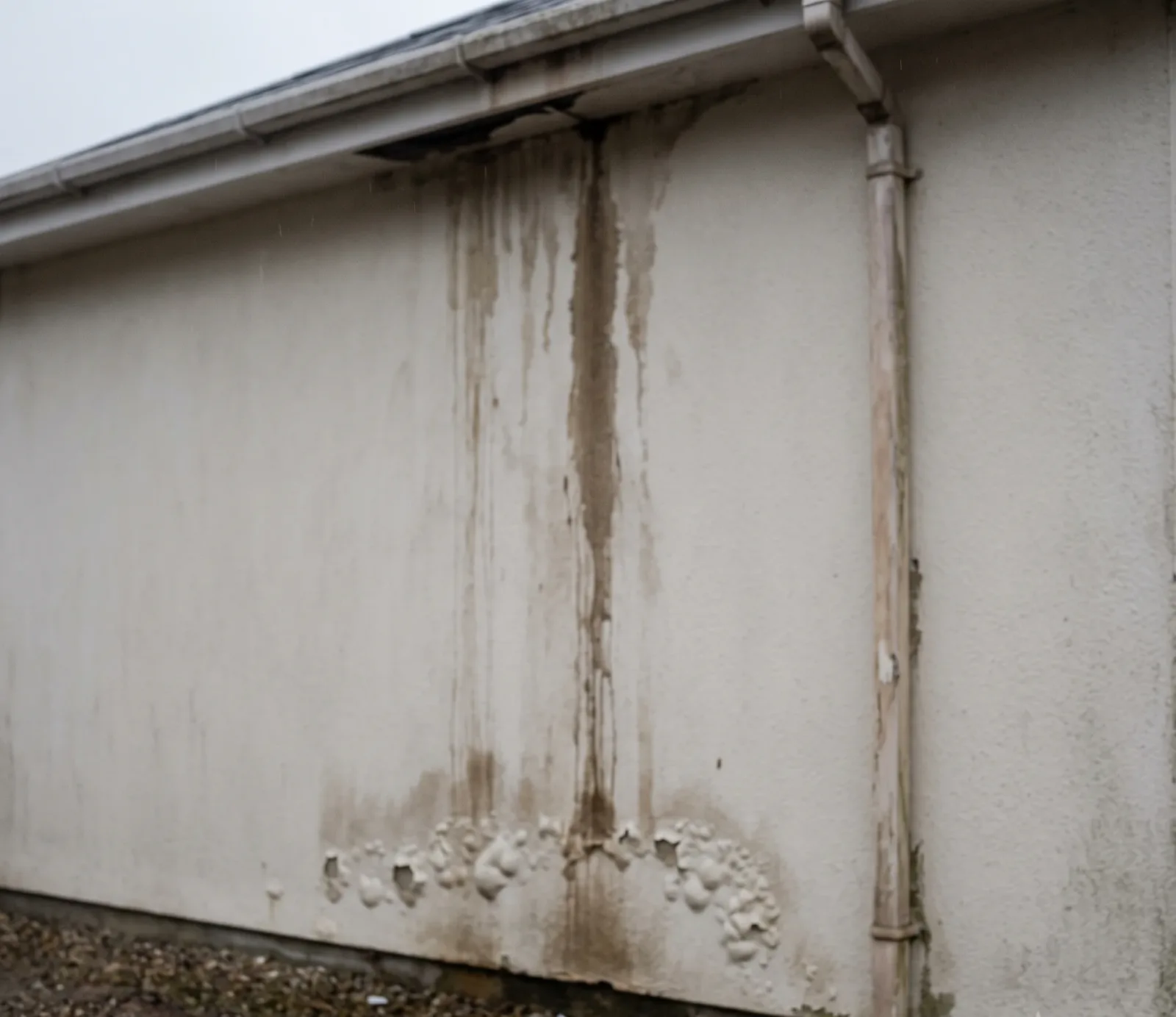
Gutter and Downspout Maintenance Tips for TX
A clogged gutter or a short downspout sends roof runoff straight at an Austin slab. What to check at the roofline and on the ground below it.
Read article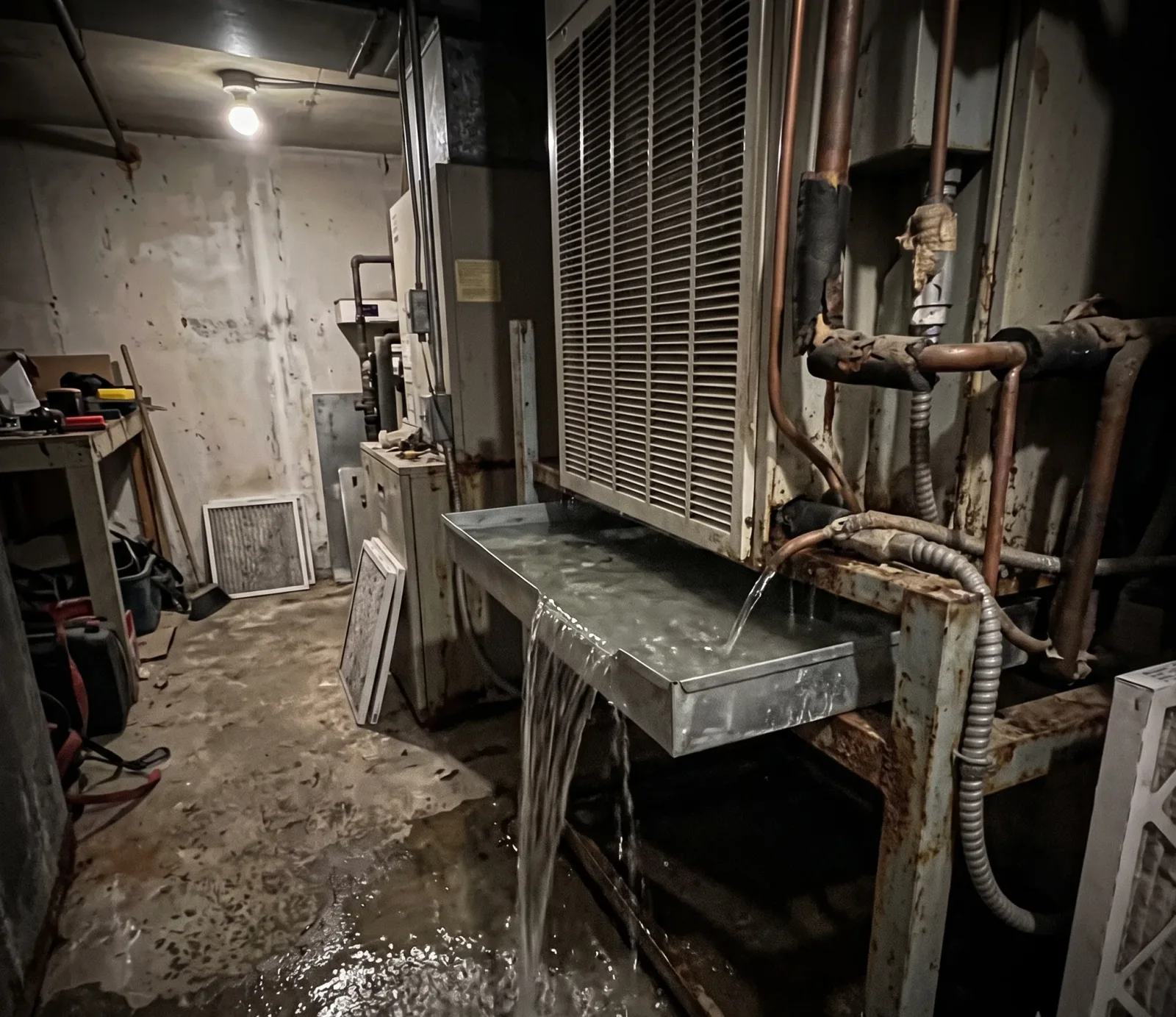
Fast cleanup for condensate line, drain pan, and appliance overflow water from a local licensed pro.
AC condensate leak water damage in Austin, TX usually shows up as a stain spreading across the ceiling below an attic unit or water pooling near the AC closet. Algae inside the line is what usually plugs it, and Central Texas humidity keeps the unit running most of the year.
Washing machine hoses, dishwasher supply lines, and water heaters fail the same way, and slab floors send that water under cabinets and baseboards fast. Don't wait: call now and we'll connect you with a licensed pro who finds the source and starts extraction.
Water on the closet floor, a warped baseboard, or a ceiling stain below an attic unit means the drain line has stopped draining. By the time you see it, the pan has likely already overflowed once.
Water racing across the floor usually means a washing machine hose or dishwasher supply line let go. It heads for the lowest point and often reaches the cabinets before anyone notices.
A slow puddle at the base of the tank, rust in the water, or a faint metallic smell points to a leaking heater. A slow seep can run for days before anyone notices.
The pro checks for a clogged drain line, a tripped float switch, a cracked pan, or a failed hose behind the washer, and shuts the source down first.
Water is pulled from the floor, cabinet base, or closet, working outward so it doesn't spread into connected rooms.
Drywall, subfloor, and insulation near the pan or supply line are checked and removed only where they're actually saturated.
The area is documented for your insurance file, with next steps laid out for any drying the space still needs.
Austin's slab foundations mean overflow water has no basement to fall into, so it lands straight on your flooring. Central Texas humidity keeps anything left wet under a cabinet or closet base wet far longer than it looks.
Central Texas humidity keeps AC units running long stretches from spring through summer. A clogged condensate line drips for as long as the unit cycles, so water can stand for hours before anyone sees the stain.
Replacing a rotted subfloor under a dishwasher or reworking a supply line can trigger Development Services review. Straight extraction and drying after a drain pan overflow generally does not, and emergency permit rules let urgent repairs start first, with paperwork and inspection after.
A clear estimate near South Congress should list extraction, drying equipment days, and any materials pulled out, so the total makes sense. Whether a burst line or floodwater from outside caused it can also change what your insurer will cover.
| Crawl Space Check | Drying Method | Who Handles It |
|---|---|---|
| Cost here depends on how far water traveled under a slab foundation near Zilker versus a quick cleanup after a hard freeze burst pipe in Allandale, plus how much drywall gets replaced. | Austin sits on a fault line of ground itself: limestone shelf to the west, Blackland clay to the east. That clay shifts with every wet spell, cracking slab foundations from Windsor Park to Onion Creek. Add a Hill Country downpour backing up Boggy Creek, and water finds the same slab seams every time — not once, repeatedly. | an estimated $340–$1890 |
| Reconstruction cost depends on finish level and how much floor area gets rebuilt, from patching one wall to replacing flooring throughout a house. A Cherrywood bungalow scopes differently than a Mueller new-build with the same water depth. | Austin's post-tension slabs sit on clay that swells and shrinks with every rainstorm, and that movement cracks slab joints long before anyone notices a leak. A kitchen near South Lamar or a bathroom in Hyde Park can soak the subfloor for weeks before the flooring finally bows. | an estimated $400–$2700 |
| Matches a burst pipe from a hard freeze that sat against drywall and slab longer than one visit can fix, needing equipment left running with repeat checks over the following days. | Austin sits on clay soil that shifts under a slab foundation, and once a pipe or a Hill Country storm gets water underneath, it doesn't stay put. It migrates from Zilker toward South Lamar, wicks up drywall, and settles into places you can't see until the smell shows up. | an estimated $600–$4320 |
| Finishing a job in Travis Heights or Mueller means new flooring, baseboards, and paint matched to what survived, priced against how much of each room actually got torn out. | Austin's slab foundations mean water rarely stays where it lands. A kitchen leak in Hyde Park travels under drywall along the slab edge before anyone spots a stain, so square footage tells you less than how long the water moved before you noticed it. | an estimated $960–$7200 |
Insurers in Travis County look hard at water damage claims. A written scope with moisture readings from the affected rooms protects you more than picking the lowest bid off a call near Hyde Park or Crestview ever will.
It depends on the trigger. A pan that overflowed because a condensate line clogged, caught the same day, is often treated as sudden and accidental by homeowners policies. A slow leak that built up unnoticed over weeks is more often denied as a maintenance issue.
Yes. The float switch sits in the drain pan and cuts power to the AC once water reaches a set level. If it sticks, gets bypassed, or was never wired correctly, the pan keeps filling and spills onto the floor.
Yes. The supply line often runs behind cabinetry with little airflow, so a slow leak can reach the subfloor before you see anything. By the time water shows on the kitchen floor, it may already be in the cabinet base.
Yes. A dirty filter can freeze the evaporator coil, and when it thaws, water overwhelms the pan faster than the line can carry it away. It's common in Austin's cooling season, especially in attic units that run long hours.
Same-day extraction is usually possible once the source is stopped. A water heater replacement may add a day, since the appliance has to be swapped before drying can start.
Expect an estimated $400–$1800 per treatment for ac condensate line & appliance overflow cleanup around Austin. Where you land inside that depends on the size of the building and how long the problem has been running. The inspection is free, so you get a real figure rather than a guess, and it is written down before anyone starts.
Pier-and-beam homes with a real crawl space still show up in older sections like Hyde Park and Clarksville, sitting alongside newer slab construction a few streets over. A crawl space traps standing water and humidity long after a Hill Country storm passes through.
A clogged gutter or a short downspout sends roof runoff straight at an Austin slab. What to check at the roofline and on the ground below it.
Read article
Before cleanup starts in an Austin home, a phone camera can shape the whole claim. Here's what to shoot, film, and log first.
Read article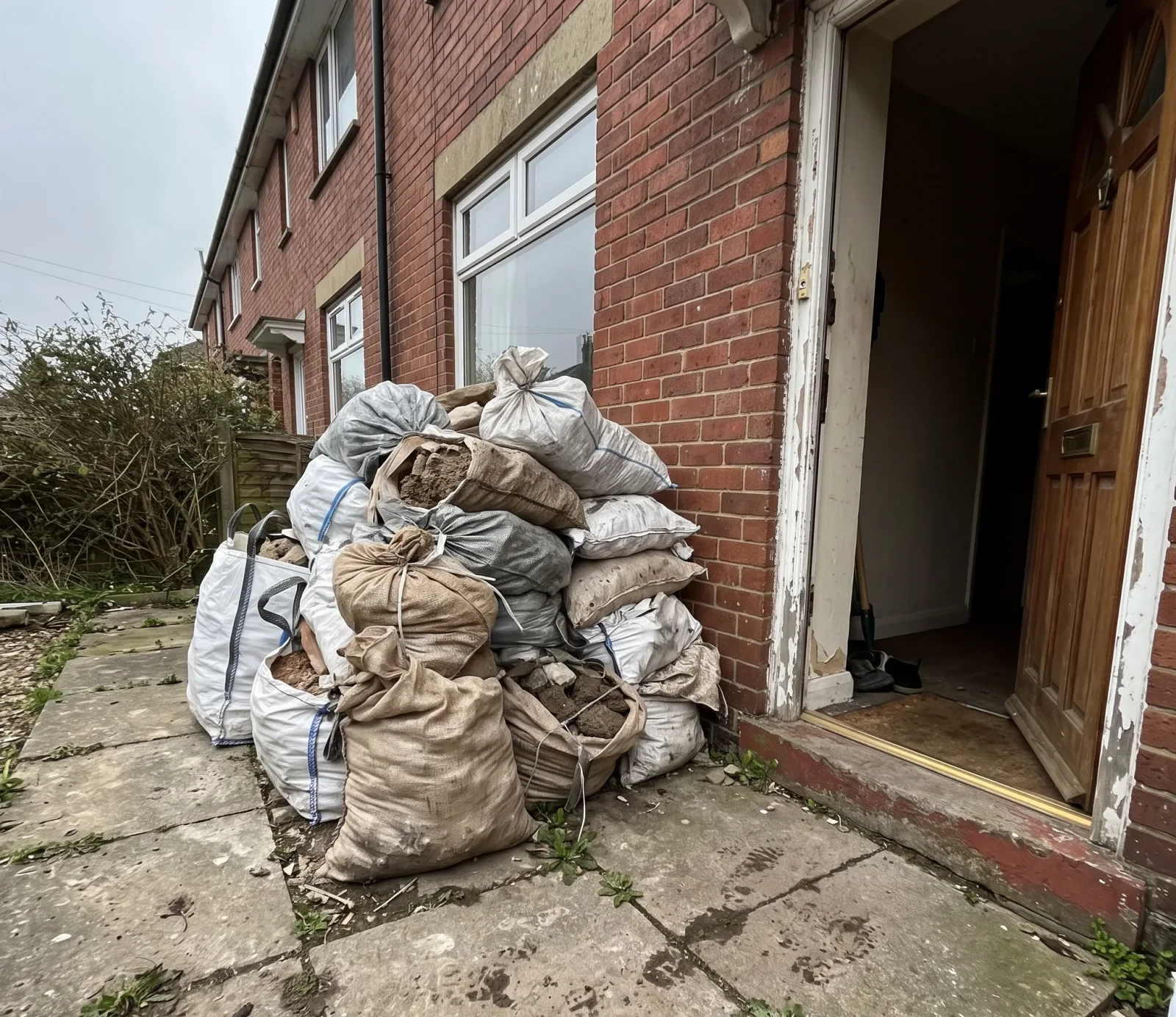
Texas Property Code sets a landlord's repair duty for rental water damage, but the notice rules, timeline, and tenant remedies trip up most Austin renters.
Read articleThis page covers one piece of a larger response, because water damage in Austin almost never stays contained to a single system. A slab leak from clay soil movement can reach flooring, drywall, and electrical in the same afternoon, and drying one without checking the others leaves a problem behind. The licensed pros we connect you with look at what the water actually touched, from Zilker to Windsor Park, before deciding what this particular step requires.
Call (512) 764-6583