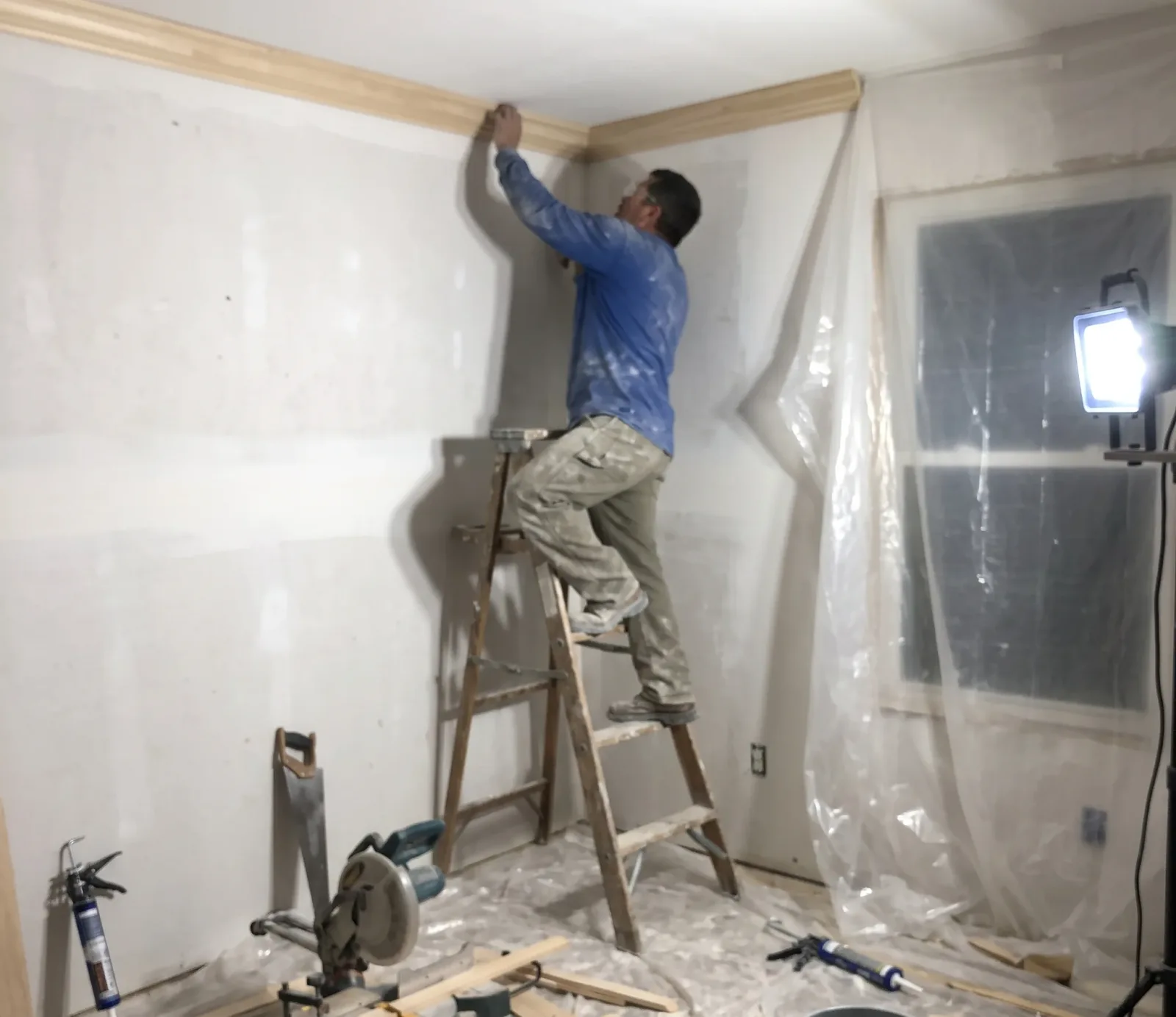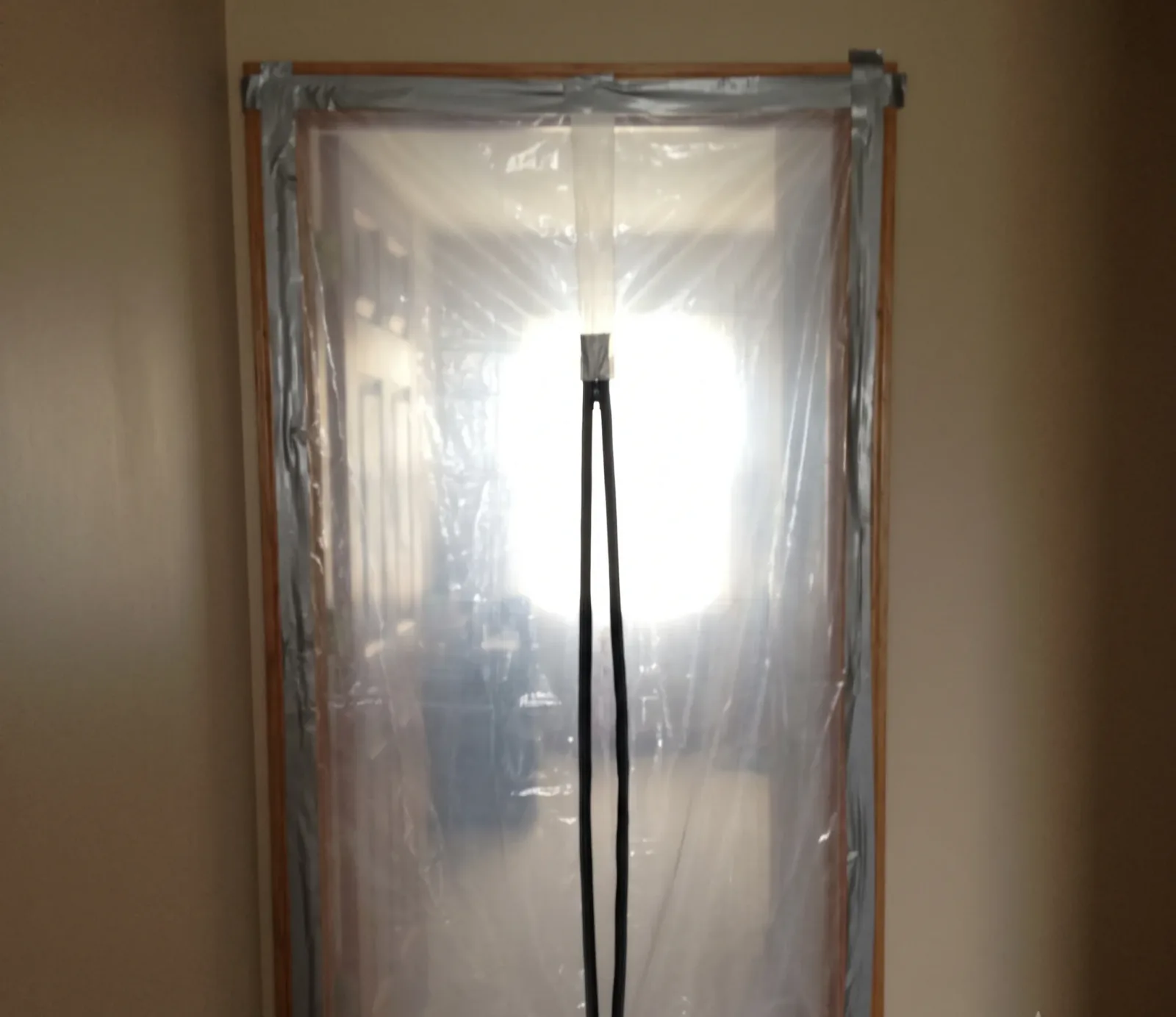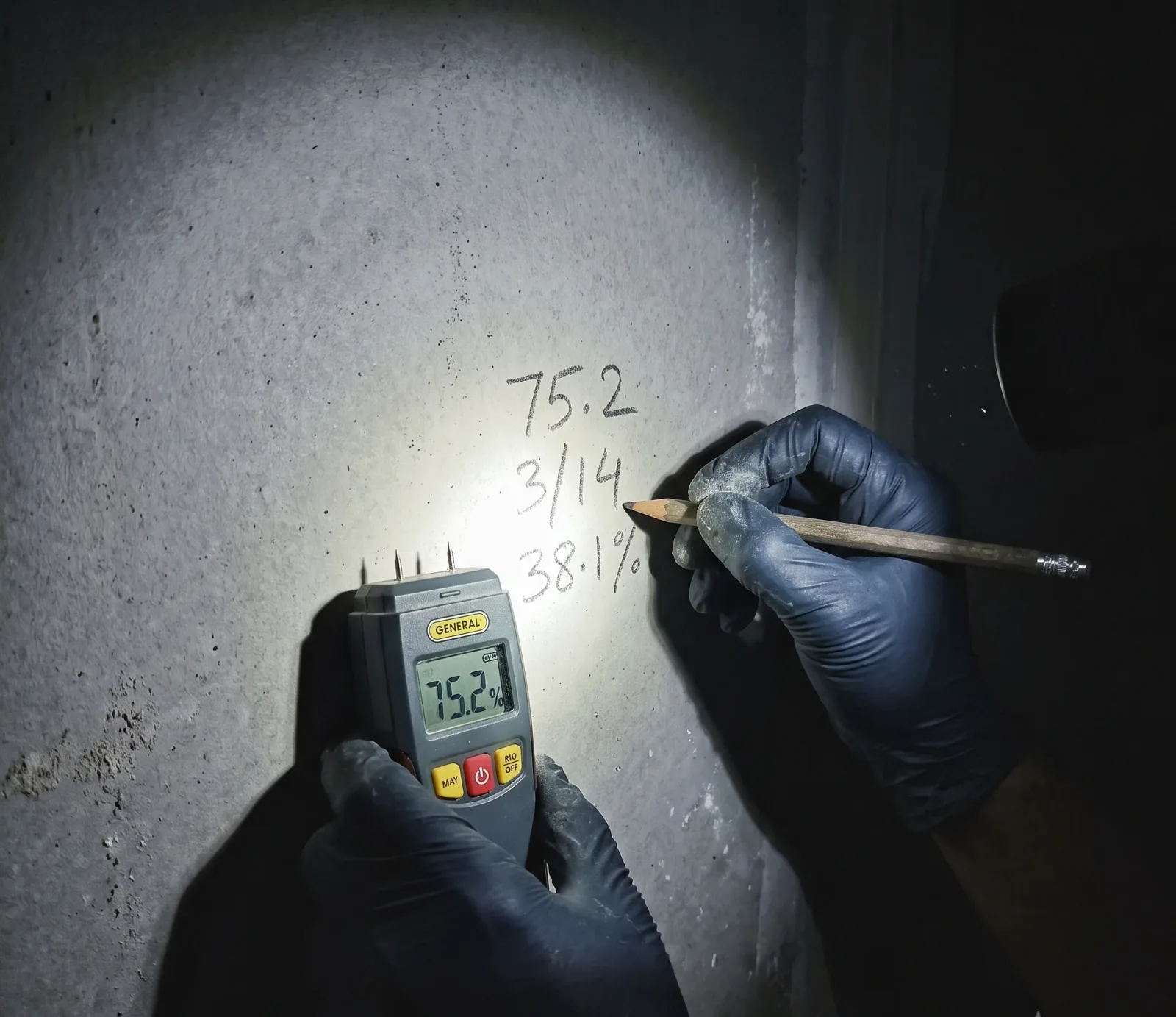
A ceiling stain after a Hill Country storm or a slab leak from clay soil movement leaves an Austin tenant with the same question: what does the landlord actually owe, and how fast. Texas Property Code sets the landlord obligation, but the repair timeline confuses even people who read it twice.
The Landlord's Repair Duty
Texas Property Code Section 92.052 requires a landlord to make a diligent effort to repair a condition that materially affects an ordinary tenant's health or safety. A leaking pipe or a soaked ceiling in an Austin unit near Mueller or Windsor Park qualifies. This statutory duty exists whether or not the lease agreement mentions water damage at all.
Why The Notice Must Be Written
The diligent-effort duty does not start on its own. Section 92.056 requires the tenant to give notice, and it should be in writing, not a phone call to a property manager near Hyde Park or Crestview. Written notice creates a record of when the landlord obligation began, which matters if the repair timeline later becomes a dispute.
What A Reasonable Time Means
Texas law does not name an exact number of days for the repair timeline. The standard is a diligent effort within a reasonable time, judged by the nature of the problem and what it takes to fix it. A cracked supply line in a Tarrytown duplex and a slow slab leak in a Circle C Ranch home do not move at the same pace.
Rent Withholding Carries Real Risk
Rent withholding is not an automatic tenant remedy under Texas law once notice has been given. The statutory duty runs toward repair, not toward excusing rent, and courts look for a landlord who ignored a documented request rather than a tenant who grew frustrated. An Austin renter weighing that option should understand the narrow path Chapter 92 sets before acting on it.
How Insurance Changes The Clock
Section 92.054 applies when the damage traces to an insured casualty loss, which can include storm-driven water intrusion common during flash flood alley conditions. The landlord's repair period does not start until insurance proceeds actually arrive. A tenant near East Riverside-Oltorf or South Lamar waiting on a payout is waiting on a clock that has not begun yet.
When The Unit Is Unlivable
If water damage renders a unit totally unusable and the tenant did not cause the loss, either side may end the lease by written notice before repairs finish, with a prorated rent refund from the move-out date. Outside that specific casualty rule, a tenant may also argue constructive eviction when a landlord ignores damage severe enough to make a unit near Bouldin Creek or Travis Heights unfit to live in.
Mold Falls Outside This Statute
Texas has no confirmed statute addressing a landlord's mold-remediation duty separately from the general health-and-safety repair rule. Humid Central Texas air after a slow leak can grow mold fast, but a tenant cannot point to a mold-specific code violation. Any claim has to rest on the same diligent-effort standard that covers the underlying water damage itself.
Documentation Decides Disputes
Most water damage disagreements in Austin rentals never reach a courtroom. They get resolved once documentation exists: the written notice, a copy sent to the landlord, and a plain record of the date the leak was reported. A tenant near Cherrywood or Rosedale with that paper trail has a far stronger position than one relying on memory of a conversation.
A Lease Cannot Waive The Statute
Nothing in a Travis County lease agreement can lower the habitability floor Chapter 92 sets, even when the printed terms suggest otherwise. Landlords sometimes write clauses shifting all repair costs onto the tenant, but those provisions do not override the underlying landlord obligation. A tenant reading a lease this way should treat the statute, not the paragraph in front of them, as the final word.
Condos Add A Second Layer
Water damage in a condo near North Burnet or a unit close to Guadalupe Street raises a separate question: whether the homeowners association's master policy or the individual owner bears responsibility, and how that owner's obligation to a tenant compares to a single-family landlord's. That split usually depends on the association's governing documents, not the general landlord-tenant statute alone.
What The Statute Doesn't Decide
None of this changes what a soaked floor near West Campus or a stained ceiling in North Loop actually needs done to it. The statute, the notice, and the repair timeline settle who is responsible and by when. The physical cleanup still depends on how fast someone qualified gets to the water.
Dealing with this in your home?
Austin's clay soil expands after rain and pulls back tight in a hard freeze, so a post-tension slab near Zilker can crack years after the pour. Add Hill Country storms that dump inches in an hour, and Shoal Creek pushes water toward homes that never flooded before.