Thermal imaging doesn't spot water on its own. An infrared camera reads how fast a surface loses heat, and damp drywall or subfloor cools differently than dry material next to it, showing up as a cool spot on the display. In Austin homes, that lets a technician scan a wall cavity or slab edge in Travis Heights or Mueller without cutting anything open. Emissivity and airflow can trick the reading, so a moisture meter usually confirms what the thermal signature suggests before anyone calls it a real leak.
How A Thermal Signature Forms
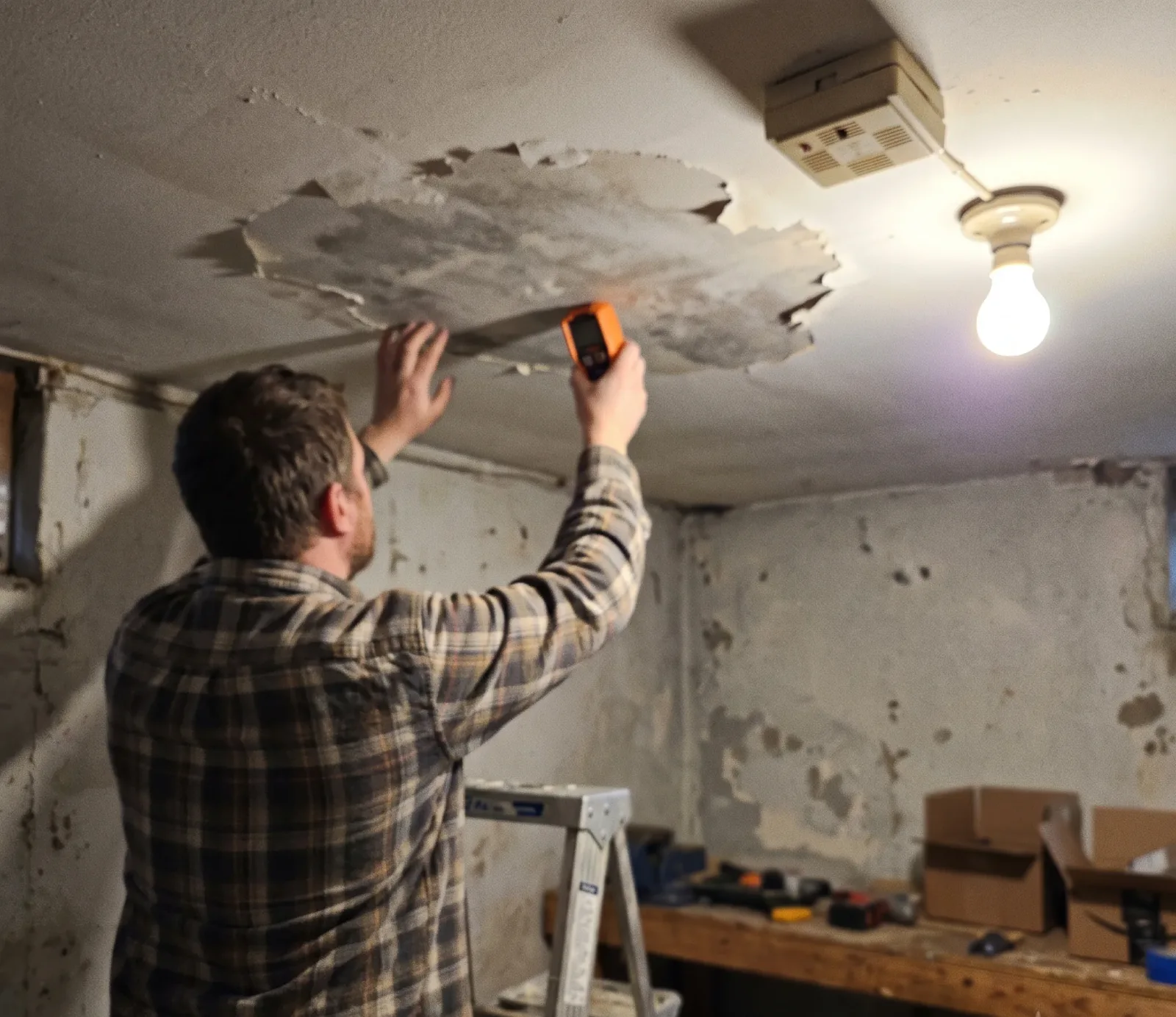
Water changes how fast a material gives up heat, so a soaked patch of drywall in a Cherrywood bungalow often shows up cooler than the surrounding wall on a thermal image. That heat signature isn't a picture of moisture itself. It's a temperature differential the camera can register, which a tech then has to connect back to a likely source.
Reading The Shape On Screen
A cool patch shaped like a straight line running down toward a baseboard in a Travis Heights home points toward a slab leak or a pipe run behind the wall. An irregular blotch near a window in Allandale often points to intrusion from outside instead. The shape and location matter as much as the temperature reading itself.
Why No Demolition Is Needed
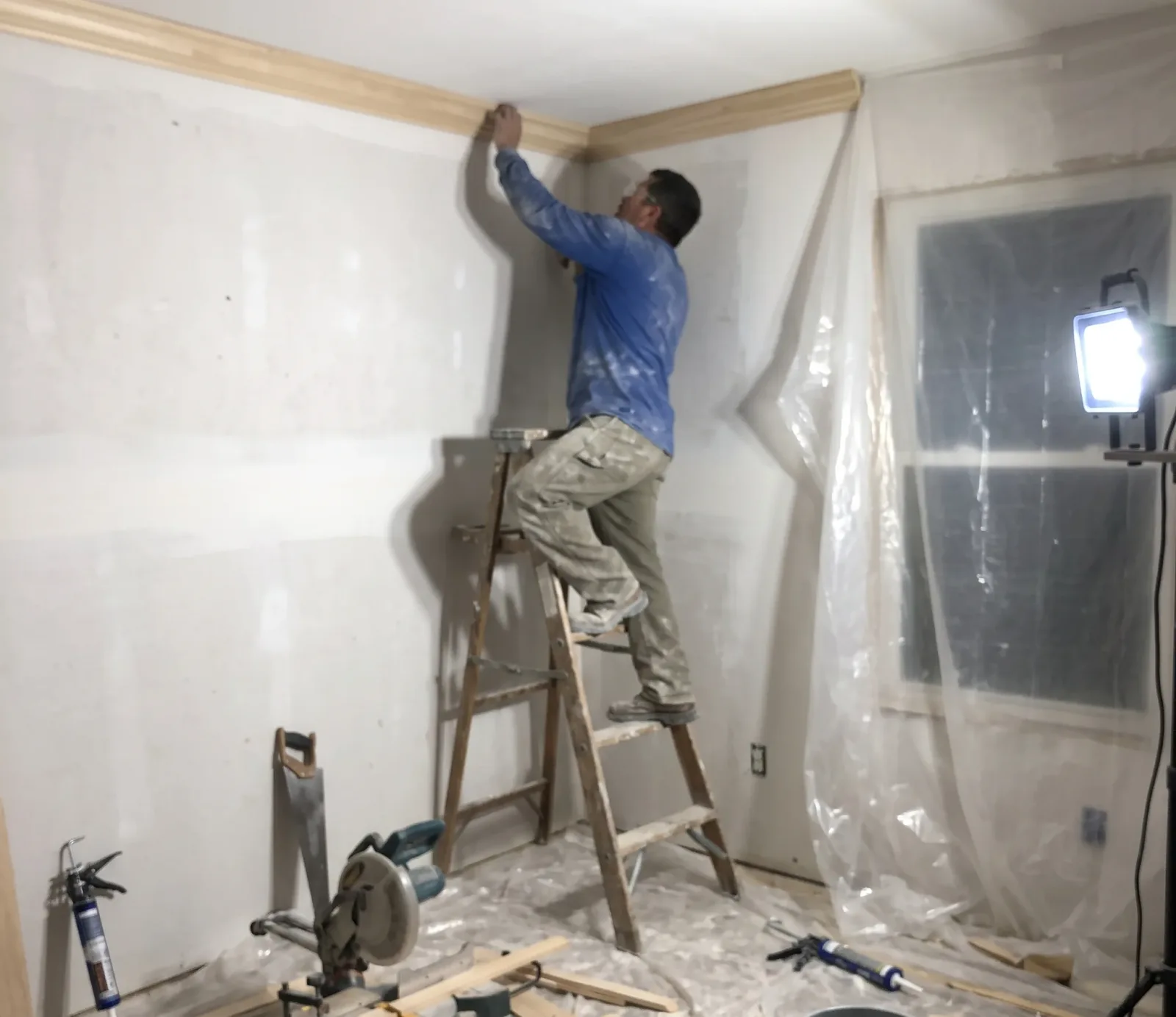
The reason this tool gets used first in an Austin house is that it doesn't require cutting into anything to look. A finished wall in Mueller, a hallway ceiling in Crestview, or a slab floor in Circle C Ranch can all be scanned from the surface, which narrows down where to check further before anyone opens up drywall.
Confirming What The Scan Shows
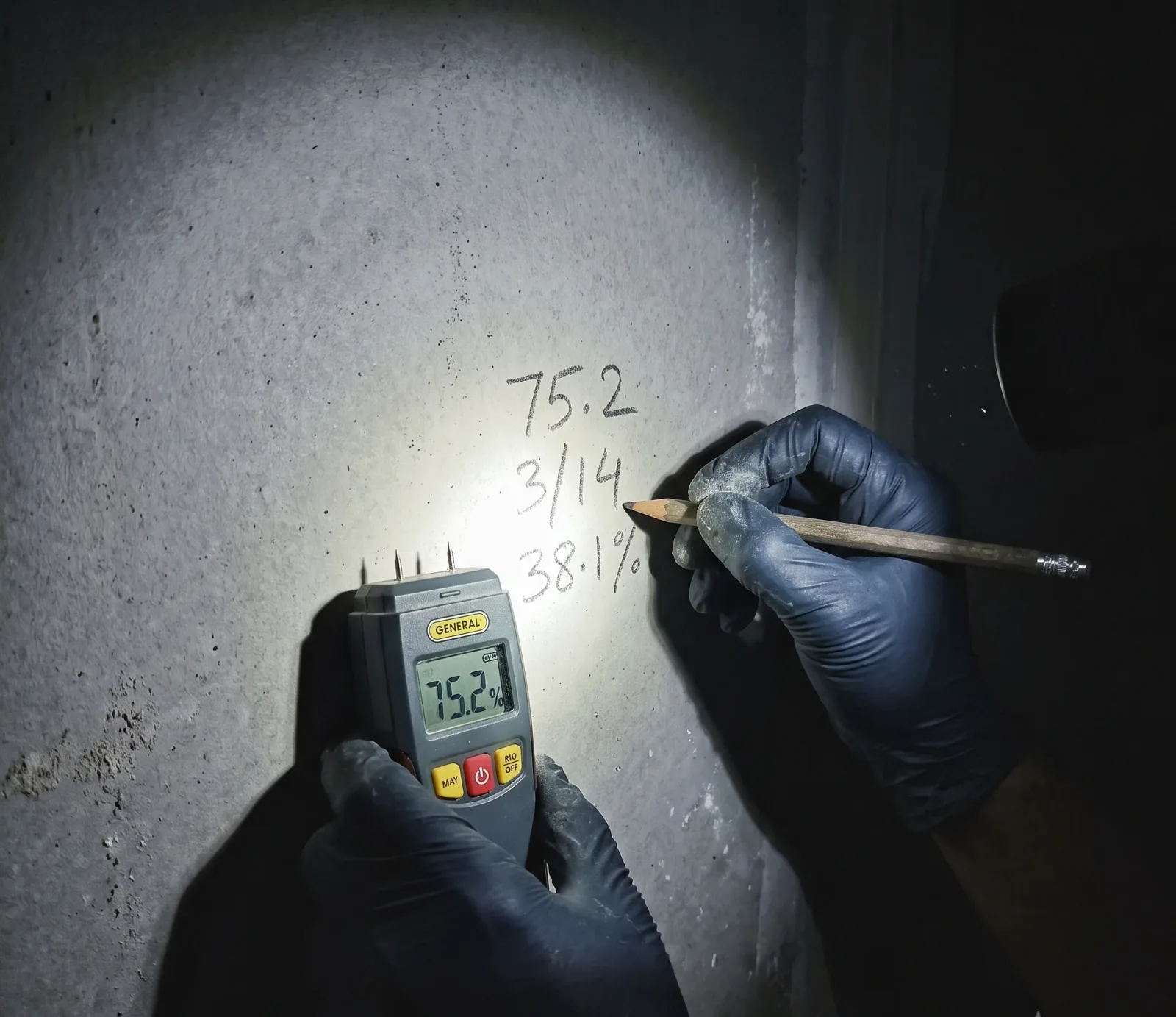
A thermal image only flags a possible problem area. It doesn't confirm water is actually present. Once a cool spot shows up on a wall in Rosedale or Windsor Park, a moisture meter reading at that exact spot is what turns a guess into a confirmed moisture profile for that section of material.
Where Emissivity Misleads A Reading
Emissivity is one reason a scan can fool someone without training. Tile, metal trim, and painted drywall in the same Hyde Park kitchen all radiate heat at different rates even sitting at the same actual temperature, so a shiny surface can look artificially cool on screen and get mistaken for a leak that isn't there.
A Real Limit Worth Knowing
This is a limit worth understanding before trusting a scan alone: the camera measures heat, not water content, so a false positive is possible. An HVAC vent behind a wall in Tarrytown, or a draft near a window in Clarksville, can mimic the same cool pattern that subsurface moisture would leave behind.
When A Scan Reads Best
A scan works best when there's a real gap between indoor air and the material being checked, which is easier to get during Austin's hard-freeze events than during a mild week in cedar fever season. A bigger gap between air and surface temperature makes a wet patch stand out more clearly against everything around it.
Older Homes, Mixed Materials
Pier-and-beam homes common in older parts of Clarksville and Tarrytown often mix original wood siding, added insulation, and patched sections behind the same wall. That mix of materials changes how heat moves through a wall even without any water involved, which is one more reason a scan alone never settles the question.
One Tool In A Larger Check
A scan is one part of checking a property after water gets in, alongside a moisture meter and someone actually walking the space and looking at it directly. It's good for narrowing down where a problem likely sits inside a slab home in South Austin or a raised home near Barton Hills, not for closing the case on its own.
Asking If A Check Includes It
Someone dealing with a ceiling stain in East Austin or a damp baseboard in North Loop can reasonably ask whether an inspection uses this equipment at all, since not every visit does. A property near Onion Creek or Shoal Creek with a flood history is a case where a wider scan often makes sense before anyone opens a wall.
Why A Number Still Needs Judgment
What this equipment offers an Austin homeowner is a faster way to rule areas in or out before anyone starts cutting drywall in Bouldin Creek or pulling flooring in Mueller. It doesn't replace a moisture reading or a trained eye walking the property, and treating a screen image as a final answer is how real damage gets missed.
Dealing with this in your home?
Austin's clay soil expands after rain and pulls back tight in a hard freeze, so a post-tension slab near Zilker can crack years after the pour. Add Hill Country storms that dump inches in an hour, and Shoal Creek pushes water toward homes that never flooded before.