Austin homeowners searching black mold at night usually land on a mix of forum horror stories and half-remembered news segments. Some of the fear traces back to real illness clusters, some to headlines that outpaced the science. What actually matters for a stained ceiling in Travis Heights or a damp closet in Hyde Park is species identification and honest health effects, not the scariest story you read.
What Stachybotrys Actually Is
Stachybotrys chartarum is the fungus behind the toxic mold label, dark and slow-growing, needing a surface wet for days rather than hours. A slab leak in a Mueller home or a roof leak after Hill Country storms in Cherrywood can create that window. Most mold found in Austin attics and bathrooms after a leak is a different, far more common species entirely.
Where the Fear Started
Stachybotrys became a household fear in the 1990s after infant illnesses in another city were linked to it, coverage that ran well past what researchers had actually established. Later reviews softened those early claims considerably. Homeowners in Rosedale or Allandale reading old articles today are often absorbing a version of the story science has since walked back, not the current understanding.
Mycotoxins, Explained Plainly
Mycotoxins are compounds some molds, including Stachybotrys, can produce under certain conditions. They are real chemicals, but their behavior inside an Austin home is narrower than the toxic mold phrase suggests. Under Texas Occupations Code Chapter 1958, recent changes even removed mycotoxins from the legal definition of mold that TDLR-licensed assessors and remediators are regulated around.
The Health Effects That Are Real
Stachybotrys chartarum is the species behind the black mold label, and it does grow in Austin homes after standing water sits too long. But documented health effects come from allergic reaction and respiratory irritation, not a single toxic species. Sneezing, coughing, sore throat, watery eyes, and worsened asthma are the pattern doctors actually see in Travis County households, whether the growth is dark, green, or barely visible on a windowsill.
Who Should Be More Careful
Infants, older adults, anyone with asthma or a chronic respiratory condition, and immunocompromised residents warrant more caution around mold growth generally, not Stachybotrys specifically. That caution applies whether the growth turns up in a North Loop rental or a Steiner Ranch garage. Removing the moisture source matters more here than pinning down which species is on the drywall.
The Black Mold Myth, Unpacked
The black mold myth shows up two ways: assuming any dark patch is Stachybotrys, or assuming Stachybotrys is uniquely lethal compared to other household molds. Neither holds up well. A dark stain in a Bouldin Creek bathroom is statistically more likely to be a common mildew-family species than the one people picture. Color alone never tells the story.
Why Licensing Splits This Work
Mycotoxins get cited as the reason to fear black mold, but toxic mold is a loaded phrase people in Austin use loosely. Mold can produce mycotoxins under certain conditions, and some people have real sensitivity to them. That is different from claiming any dark patch on a Hyde Park ceiling is actively poisoning a household. Species identification rarely changes what a homeowner needs to do next.
What Air Quality Testing Shows
Air quality testing measures spore count against an outdoor baseline and can flag which species are present in a home. Austin's own testing demand often follows Hill Country storms, when a ceiling stain shows up after runoff pools near a foundation. Testing has a place, but it will not tell a Travis Heights or Crestview homeowner whether their symptoms are mold-related; a doctor can speak to that better than a lab report.
What a Musty Smell Means
Not every dark patch is stachybotrys, and not every stachybotrys finding means mycotoxin exposure at levels that matter. In Austin homes from Hyde Park to Circle C Ranch, species identification rarely changes the remediation steps, though it can ease a worried homeowner's mind. Health effects like respiratory irritation or an allergic reaction depend more on individual sensitivity than on which species grew behind the drywall near your slab foundation.
What to Actually Do About It
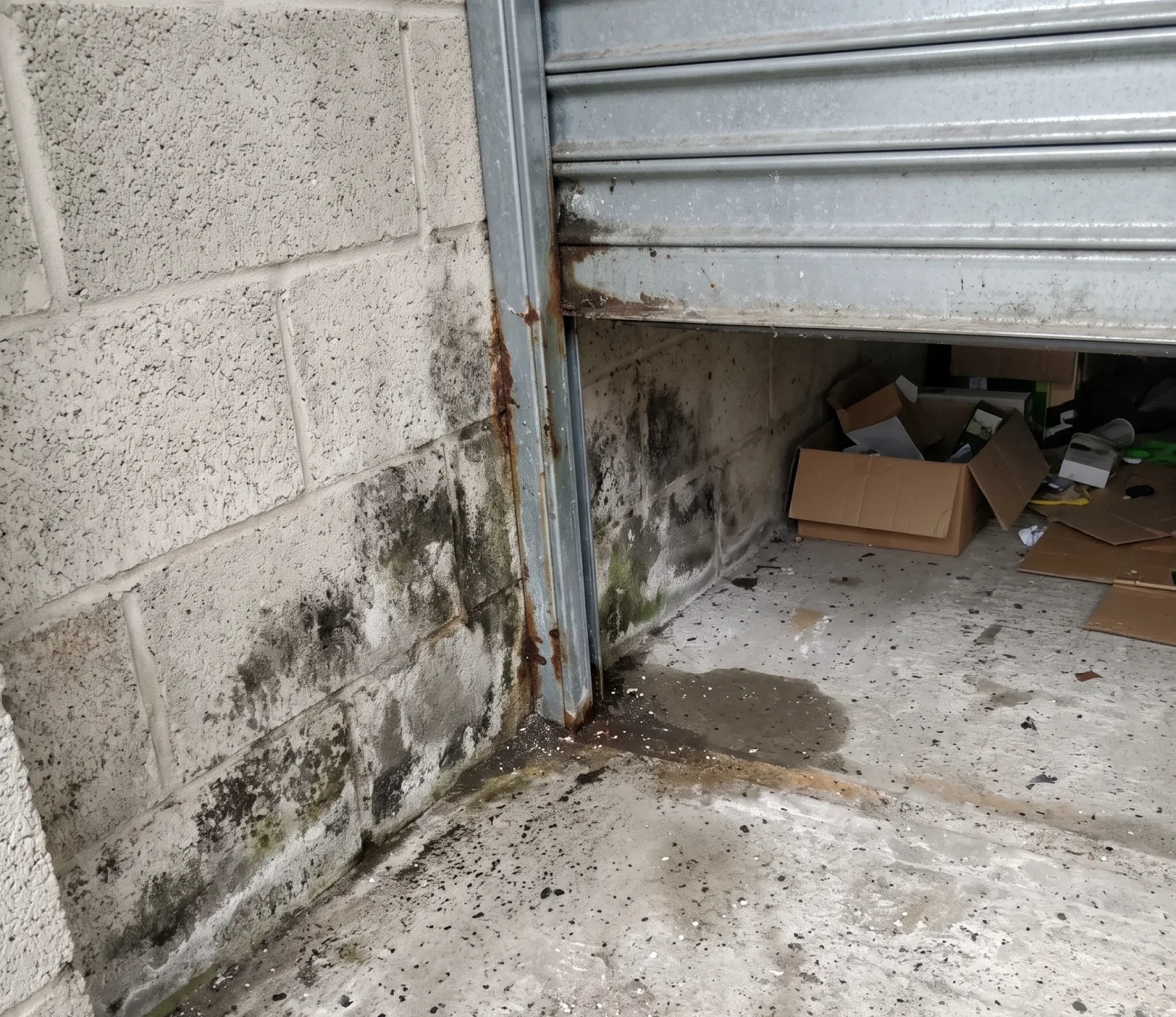
If mold appears after a burst pipe, flash flooding, or a slab leak, the response is the same regardless of species: find and stop the moisture source, dry the area, and remove what cannot be cleaned. That holds whether the water came from clay soil movement under a Mueller foundation or storm runoff near Shoal Creek. Species identification can wait until the water is handled.
What to Ask Before You Panic
None of this means a stained ceiling in South Austin or Mueller should be ignored, and none of it means panic is the right response either. Black mold, in most cases, behaves like other household mold: it needs moisture to keep growing, and removing that moisture is most of the fix. Species identification matters less than acting before a small leak becomes a bigger one.
Dealing with this in your home?
Austin's clay soil expands after rain and pulls back tight in a hard freeze, so a post-tension slab near Zilker can crack years after the pour. Add Hill Country storms that dump inches in an hour, and Shoal Creek pushes water toward homes that never flooded before.