Religious Institutions & Nonprofits
Religious Institutions & Nonprofits
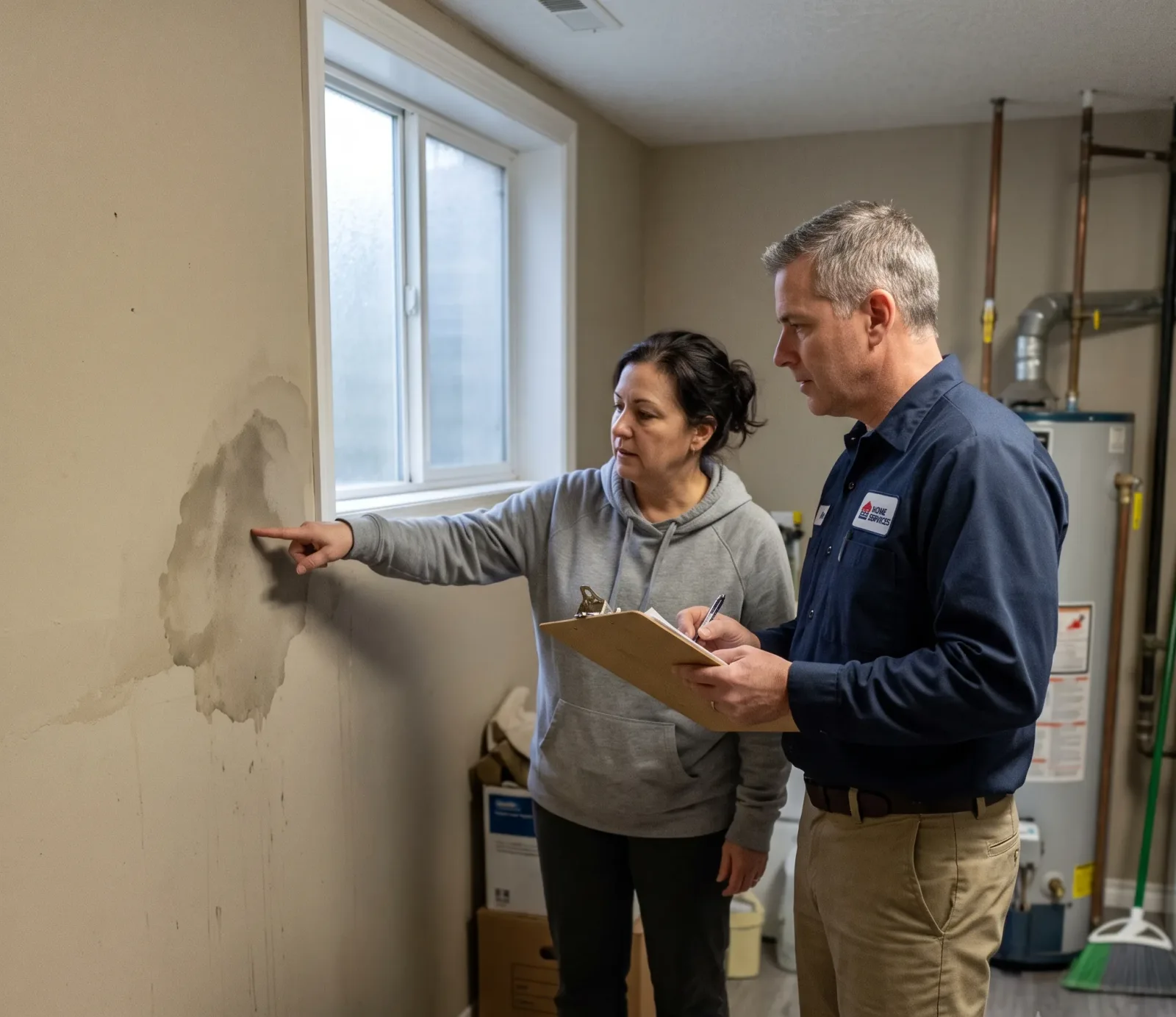
Drying and containment built around infection control, not standard commercial cleanup.
Austin medical offices and clinics can't treat a water leak like an ordinary office spill. Exam rooms, sterile supply areas, and negative pressure isolation rooms all need infection-control-compliant drying so the space stays safe for patients, not just dry.
A leaking supply line above a patient room in an Austin clinic carries a different risk than the same leak above a waiting area. Ceiling tiles near sterile supplies or an exam table cannot just be swapped out later. The question is whether moisture reached anything that touches patient care before anyone decides the room is fine to use again.
Austin's clinics and medical offices sit everywhere from small practices near Hyde Park to larger buildings along Mopac Expressway and closer to the medical corridors off Interstate 35. Whatever the size, the same water sources apply: a supply line behind a sink, a roof leak, or a slab-related intrusion after Hill Country storms move through.
This page covers what changes for a medical or healthcare facility compared with any other commercial space in Austin: infection control stakes, HVAC and airflow, biohazard and regulated waste questions, and how fast a room can safely reopen. Patient safety does not wait on a slow assessment.
Standing water or a damp ceiling near a treatment area is not just a maintenance item once patients are involved. Airborne contaminant levels can shift once drywall or ceiling tile stays wet, and that matters most in rooms where a compromised patient spends time. Infection control has to weigh in before the space reopens, not after.
A clinic near the UT Austin Campus or a medical office off Guadalupe Street has to weigh a wet ceiling tile against the isolation protocol for immunocompromised patients, not just the drywall. Airborne contaminant spread through an HVAC system can undo negative pressure in an exam room fast. Patient safety comes first, and that changes how the response gets sequenced from the first call.
| What's Affected | Contamination Risk | How Fast We Move |
|---|---|---|
| Exam Room | Infection control check before drying starts | Delayed patients, contaminated instruments nearby |
| Patient Room | ICRA containment barrier set up first | Airborne contaminant exposure to a patient |
| HVAC-Linked Space | Negative pressure confirmed before equipment runs | Contaminant spread through the shared air return |
| Biohazard Storage | Regulated medical waste handled on its own track | Improper disposal, a compliance problem for the clinic |
| Sterile Supply Room | Every case moisture-checked before it's cleared again | Compromised supplies reaching a patient |
| Records Area | Access controlled with HIPAA in mind | Patient files exposed to anyone in the room |
| Front Office | Fewer compliance steps, faster turnaround | Lost appointments, not a patient safety issue |
| Flat Roof Line | Source traced before any ceiling tile comes down | A repeat leak dropping into clinical space |
Category matters more on a medical job than a typical commercial one. A clean supply line leak behind a sink is treated differently than water that may have picked up contaminants moving through a mechanical space. Where the water traveled changes what has to happen before drying can even start.
Biohazard exposure is the other question a clinic has to ask that most Austin office tenants never do. If water reached sterile supplies or an area used for regulated medical waste, those materials get treated as a separate problem from the wet drywall around them, with its own handling before anything gets thrown out.
Central Texas humidity gives mold a foothold in wet ceiling tile or carpet within about a day at normal indoor temperatures. Inside a facility handling sterile supplies or regulated medical waste, that clock runs against ICRA requirements, not just the building. A delayed dry-out near a patient room downtown or in a Round Rock clinic risks a compliance problem on top of the water itself.
Sterile supplies stored near a leak get treated as compromised once moisture reaches the packaging, whether or not the water itself touched them. Regulated medical waste and biohazard containers do not get a pass because a pipe burst nearby. Whoever handles cleanup has to account for what was stored in that closet before touching it.
A record of what got wet, when it was dried, and who signed off on reopening the room usually has to answer to more than one reviewer. A facility's infection control policy, an accrediting body, and sometimes a landlord all want their own version of that paper trail after a water event.
A store near South Congress can close for a weekend without much fallout. An exam room at a medical office near the UT Austin campus or along Interstate 35 loses appointments every day it stays wet, and some of those patients cannot simply reschedule around a chronic condition.
That is why sequencing a response matters more than the square footage affected. One wet exam room next to a hallway is a contained job. The same leak two doors from a negative pressure room changes the order of operations, because that room's air handling has to be confirmed intact before drying equipment even goes in.
Some Austin medical offices operate inside larger mixed-use or professional buildings, sharing HVAC risers or plumbing with other tenants along corridors near North Burnet or the Arboretum. A leak from a floor above can reach a clinic below faster than staff notice, especially overnight or over a weekend.
The licensed pros connected through this service do not set a clinic's infection control policy or speak for its accrediting body. What they bring is a documented drying and extraction plan built around which rooms in an Austin facility have to stay open and which can close, so the paperwork matches what the building actually needed.
A medical office near the Arboretum or a clinic off Parmer Lane cannot handle a water event the way a retail tenant down the street would. Rooms holding sterile supplies or serving patients under an isolation protocol need their own drying timeline, checked room by room instead of treated as one open floor plan.
Post-tension slabs common in newer Mueller and Circle C Ranch construction move differently than the pier-and-beam homes still standing near Clarksville and Hyde Park. A crawl space traps moisture after a leak; a slab hides it, so the same burst pipe shows up as two different problems.Milwood, Wells Branch and Jollyville. Homes along Onion Creek or close to the Colorado River sit inside mapped flood risk that a lot a few streets over in Barton Hills does not share. A licensed pro who knows which side of that line a house falls on gives a more honest answer than a guess.
Austin's slab foundations crack under clay soil that swells after storms near Shoal Creek or Waller Creek, letting water track inward long after skies clear. Pier-and-beam homes near Barton Creek trap moisture underfloor for weeks. Whoever you call, confirm IICRC certification and ask how they document moisture readings for your insurer before work starts.A commercial space along Guadalupe Street or near the UT Austin campus often costs more to dry than a house. Open layouts and hard flooring mean more equipment and longer run times. Get a written scope before the licensed pros in Austin begin. pricing guide, and the commercial overview covers how a scheduled program works.
Religious Institutions & Nonprofits
Apartment and multifamily water response
Condo & HOA Properties
Yes. Containment barriers and negative pressure get set up before demolition or drying starts near a patient room or exam room, so airborne contaminant and moisture do not spread through the HVAC system. The licensed pros we connect you with can sequence the work room by room so unaffected parts of the facility keep seeing patients.
If a leak reaches regulated medical waste or unwraps sterile supplies, that material gets bagged and removed apart from ordinary wet debris. The licensed pros we connect you with keep biohazard-adjacent cleanup separate from general drying so nothing crosses paths in an Austin clinic.
Isolation barriers and negative pressure airflow stay running while drying equipment operates nearby, so exam rooms and patient rooms close by aren't exposed to airborne contaminant. The licensed pros we connect you with recheck pressure balance before calling any adjoining room clear.
HIPAA covers patient information, not building materials, so it doesn't change how extraction or drying equipment gets used in a clinic. It does change access: technicians working near file storage or exam rooms holding patient records follow restricted-access steps the facility sets.
Call now if a clinic or medical office near Mopac Expressway or US 183 has water damage. The licensed pros we connect you with work around patient care and infection control from the first hour.
Call (512) 764-6583