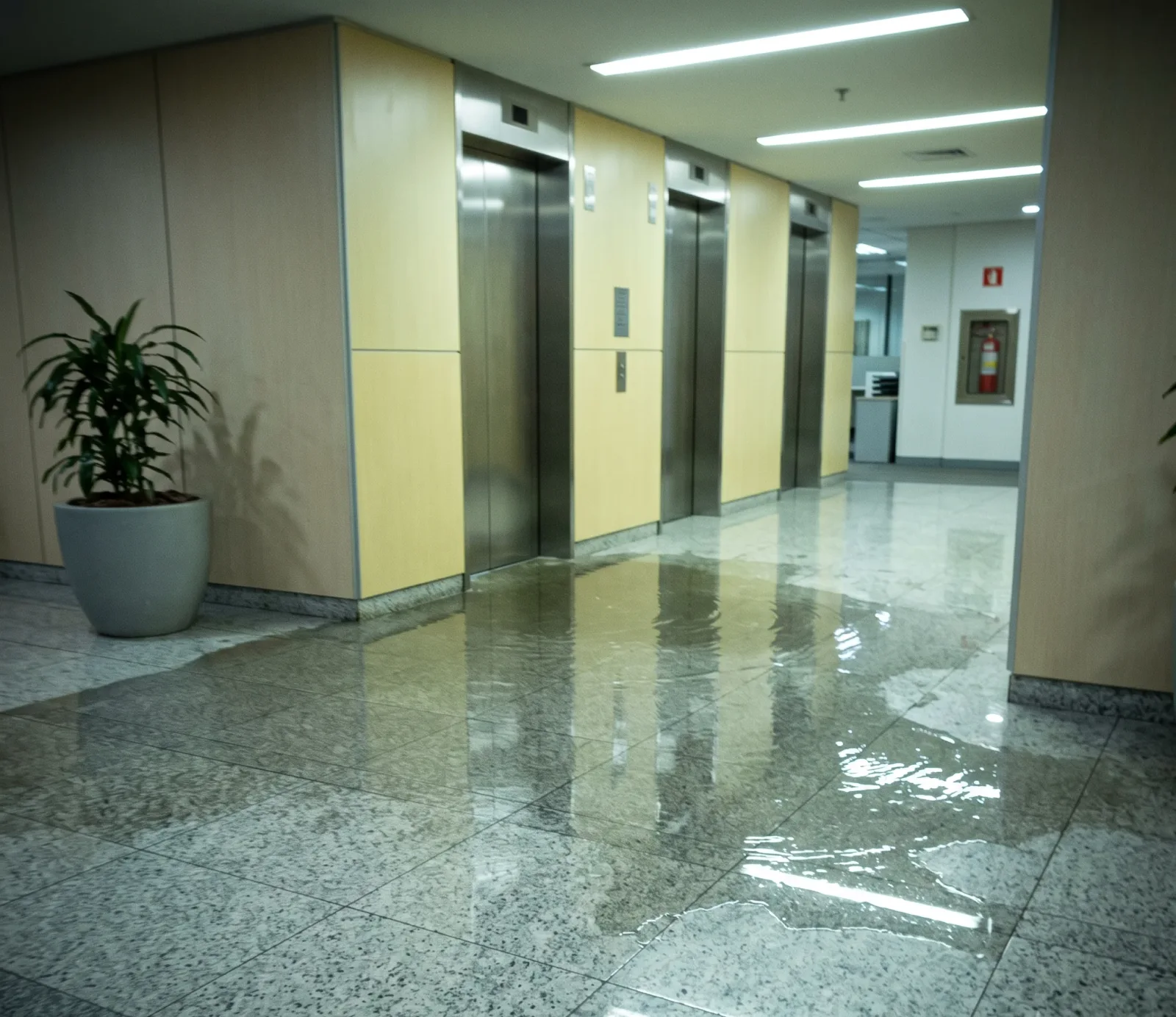
Commercial Water & Fire Damage Restoration
Large-loss water and fire response, phased so the units that weren't damaged can stay open.
Learn about Commercial Water & Fire Damage RestorationThis corridor mixes riverside houses with condo towers, but both sit near a mapped flood zone along the water, not tucked safely above it.
The Colorado River Corridor runs through Austin along Lady Bird Lake, with older riverside houses on one bank and newer high-rise condo towers on the other. Slab-on-grade construction dominates the newer builds, while the older riverside houses sit on ground the flood zone maps treat as low-lying. An elevation certificate matters here more than in most Austin neighborhoods, since insurers use it to judge how close a given lot sits to the mapped floodplain. Congress Avenue and the Ann W. Richards Congress Avenue Bridge cross the water nearby, and homes on either side face the same rise-and-fall pattern the river shows after heavy rain moves through Central Texas.
Austin's slab foundations sit on expansive clay that shifts with rain, cracking slabs near I-35 and letting water reach flooring underneath.
Construction age decides where water gets in, and in Colorado River Corridor the stock is this: mixed older riverside houses and newer high-rise condo and mixed-use towers built mostly since the 2000s. Older framing has settled, roof penetrations have opened, and original plumbing has had decades to corrode. None of that shows from inside a room, which is why a slab leak or a roof leak is usually well established before anyone sees a mark.
Properties sitting near Lady Bird Lake and Colorado River hold groundwater far longer through the wet season. Persistent humidity around a foundation or exterior wall is the single strongest predictor of mold growth and moisture-related damage, so a meter reading comes before any recommendation.
Hurricane season sends rain remnants inland well after any coastal storm has weakened, and that rain is what raises the Colorado River here, not wind. Humid stretches afterward slow drying in ground-floor units and older riverside framing near the water. Hill Country storms dump inches in under an hour, and Shoal Creek and Waller Creek rise faster than the ground can drain. Low blocks near Bouldin Creek can see water at the door within minutes.
Given Downtown Austin offices nearby, commercial standards apply to a lot of the work here: defined treatment zones, product records, and a report the property manager can hand to an inspector without explanation.
Slab cracks, clay soil shifts, and how long water sat near Shoal Creek or Waller Creek all change the final number more than square footage does.
| Service | Estimated cost |
|---|---|
| Commercial Water & Fire Damage Restoration | an estimated $2800–$15000 |
| Storm & Flash Flood Damage Restoration | an estimated $2400–$12000 |
| Emergency Water Extraction | an estimated $450–$1600 |
| Structural Drying | an estimated $1200–$4500 |
Lady Bird Lake forms the working stretch of the Colorado River through downtown, and buildings closest to its banks take on water first when the river rises.
The Ann W. Richards Congress Avenue Bridge crosses the river near Congress Avenue, and the low ground on either approach floods before the roadway itself does.
Auditorium Shores sits right along the water, and the open, low-lying ground there shows how fast the river's edge can spread during a flash flood.
Large-loss water and fire response, phased so the units that weren't damaged can stay open.
Learn about Commercial Water & Fire Damage Restoration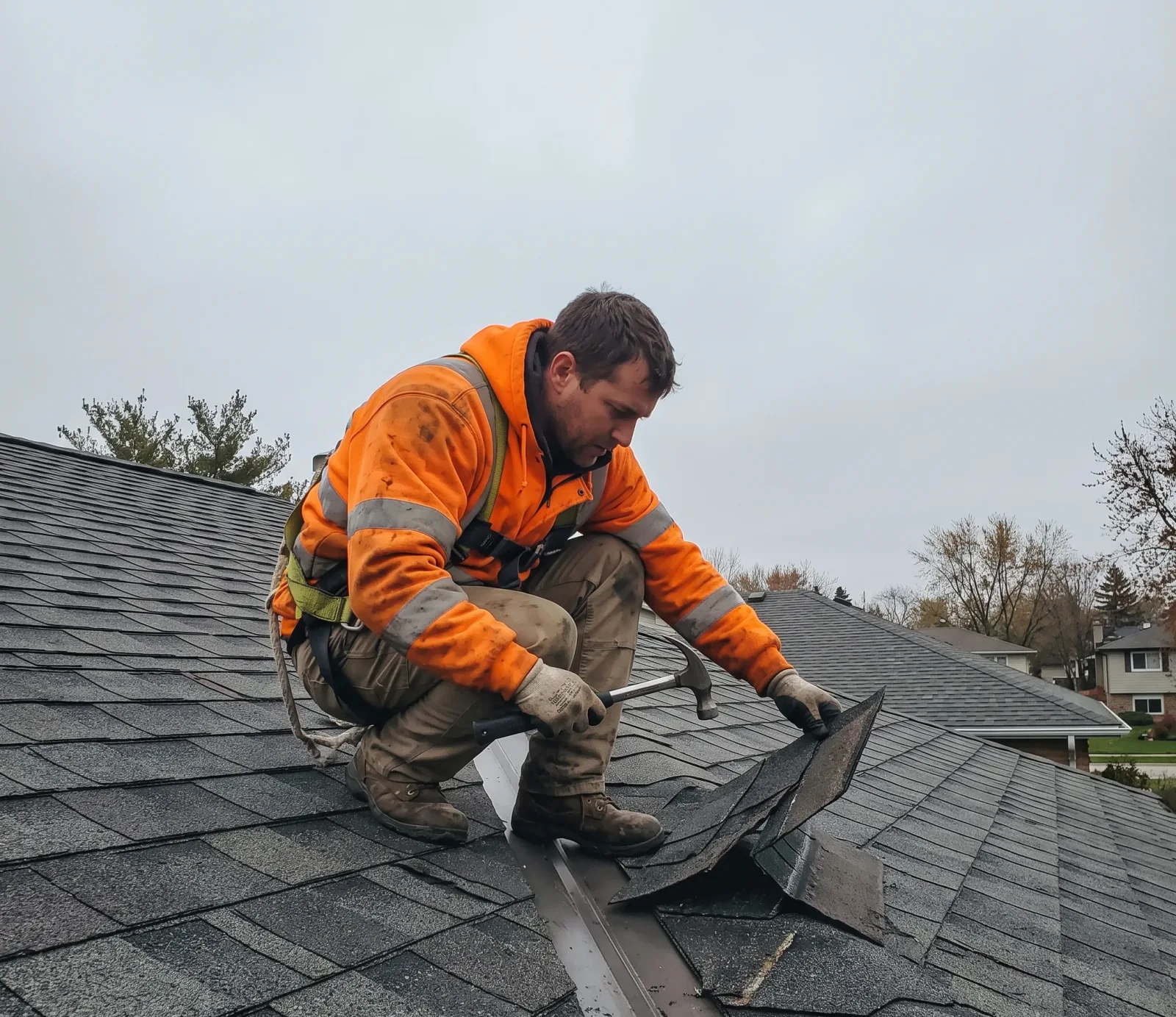
Fast tarping, board-up, and water extraction from licensed local pros after Austin storms and flash floods.
Learn about Storm & Flash Flood Damage Restoration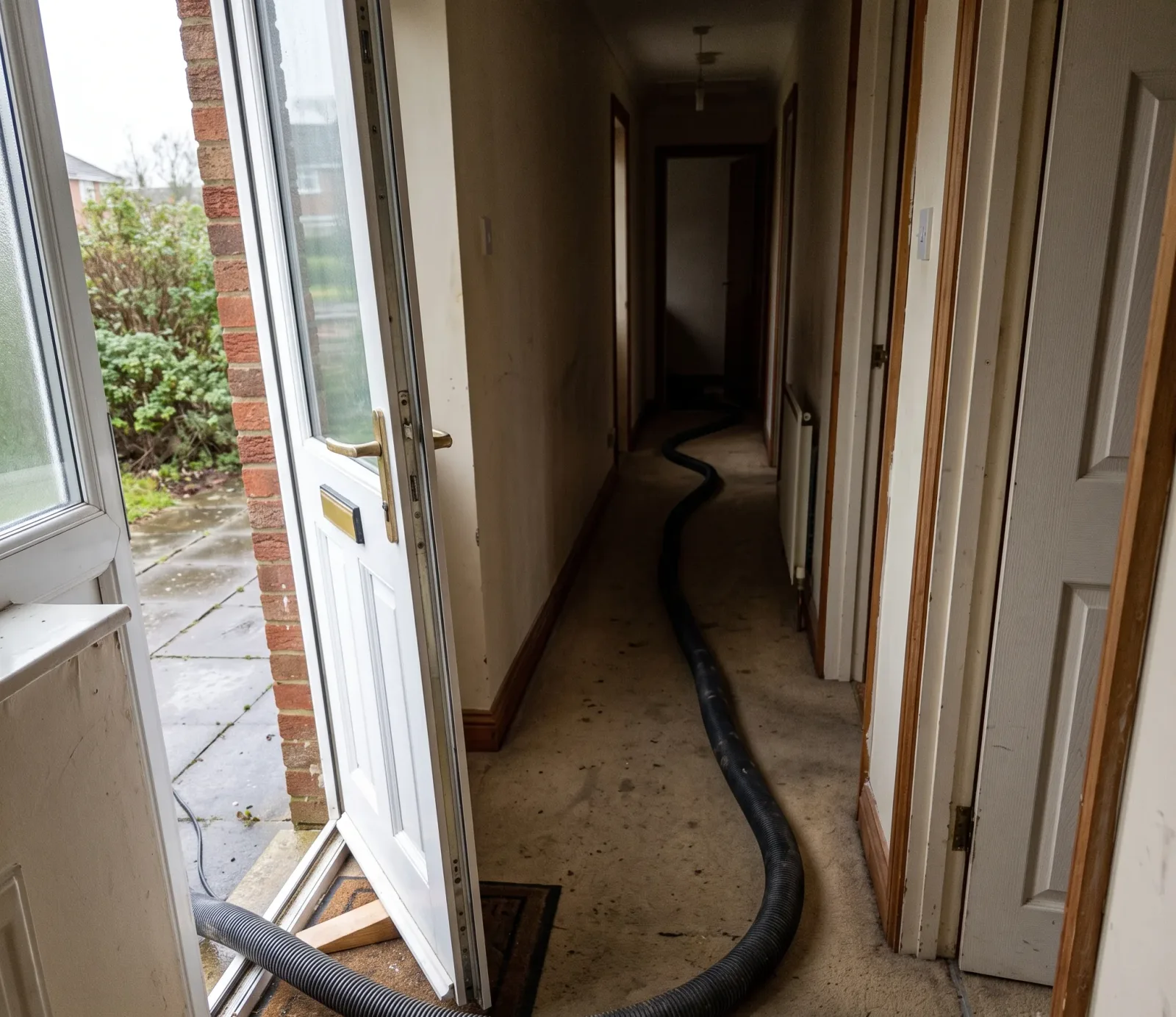
Standing water in your Austin home or business? Call now and get a local licensed pro on the water fast.
Learn about Emergency Water Extraction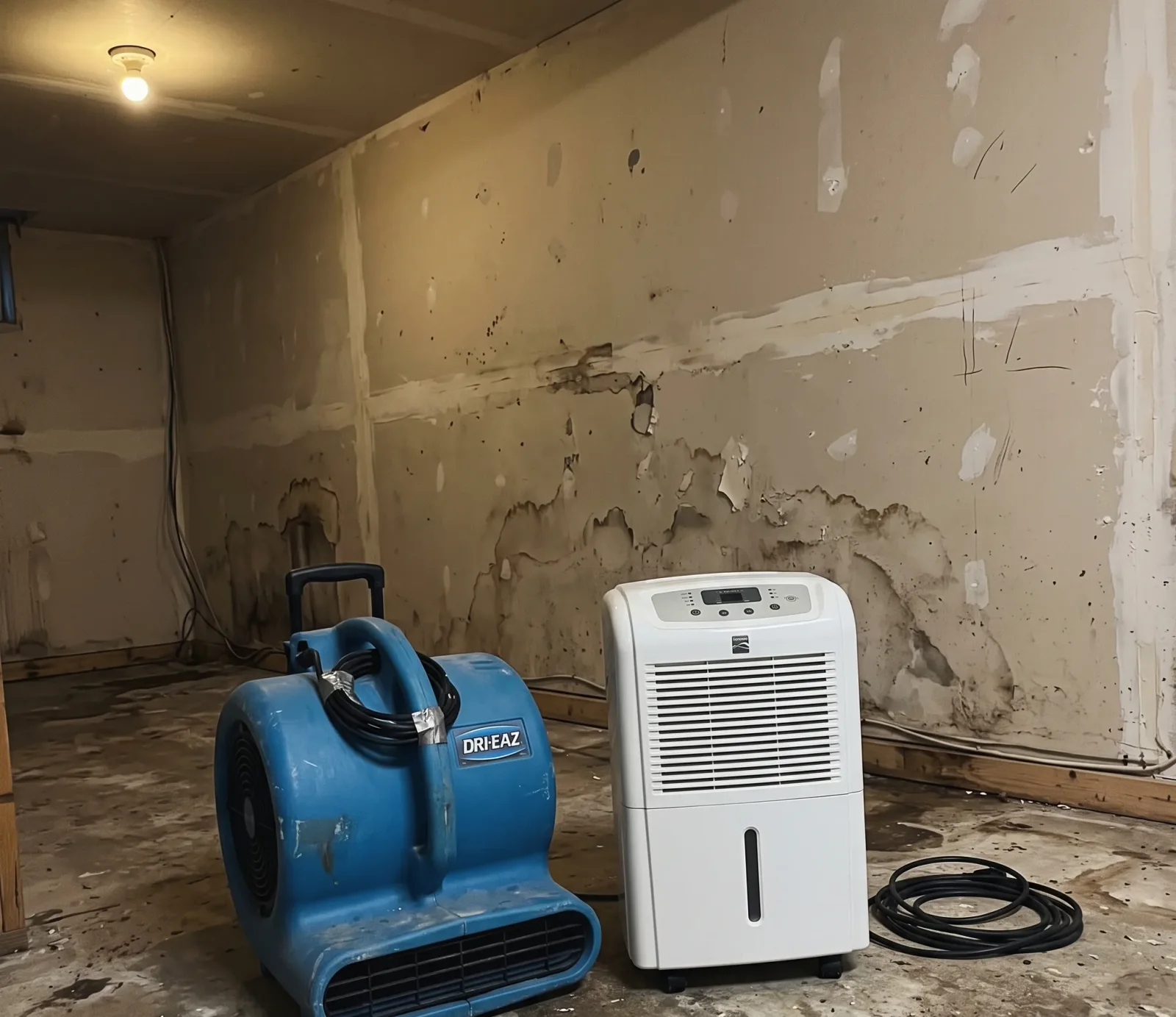
Licensed pros dry your home with daily moisture readings, not guesswork. Call (512) 764-6583 now.
Learn about Structural DryingYes. A pipe bursting or river water pushing into a ground-floor unit near Lady Bird Lake does not wait for business hours, and the licensed pros we connect you with take calls along the Colorado River Corridor any time, day or night.
Homes and units close to Lady Bird Lake sit in or near the mapped flood zone, so heavy rain upstream can raise the river fast. Buildings set back from the bank face less direct exposure, but storm drains along nearby streets still back up during hard rain.
Newer condo towers along the corridor are largely slab-on-grade or elevated concrete construction, while a handful of older riverside houses were built lower to the ground. Foundation type here depends more on when a building went up than on which side of the river it sits.
Yes. Standing water against a slab or inside a ground-floor unit near the Colorado River can seed mold within a day or two in Central Texas humidity. Drying the space quickly matters more here than in units farther from the water.
Yes. The Colorado River Corridor gets the same 24/7 dispatch as the rest of Austin. Homes near Lady Bird Lake sit close to mapped floodplain, and rising water or a burst pipe near the banks gets the same fast response as a high-rise unit downtown.
Water intrusion in Austin usually starts at the slab, not a basement door. Clay soil under neighborhoods like Tarrytown and Mueller shifts with the season, opening gaps at the foundation edge where rain works its way inside. The licensed pros we connect you with check that edge first, before touching drywall.
Not every part of Austin drains the same way once a Hill Country storm lets go. Ground that slopes toward Waller Creek moves water differently than a flat stretch near Windsor Park, and that difference shows up in how fast a slab foundation takes on moisture. The pros who work this area regularly notice patterns a citywide description misses. That local detail is why one area's water damage story rarely matches its neighbor's, even a few streets over.
Call (512) 764-6583