Warehouse & Industrial Facilities
Warehouse & Industrial Water Response
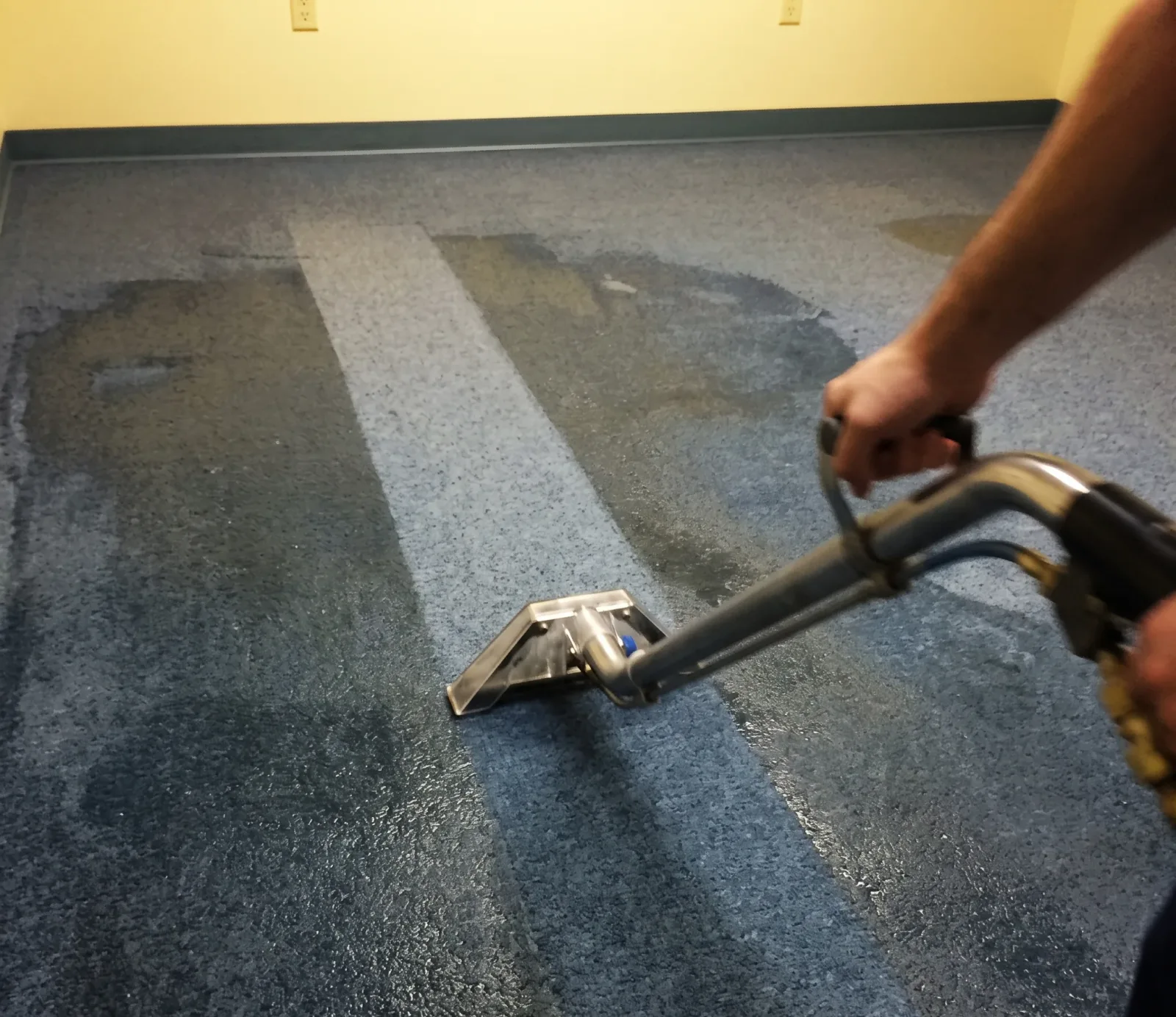
Drying an Austin suite or storefront quickly enough that the doors don't stay closed.
Office and retail water damage in Austin needs extraction started the same day, because a storefront closure sign on South Congress or Lamar Boulevard costs foot traffic that a fast reopening protects.
An Austin office suite and a retail storefront both stop making money the moment water shows up, but for different reasons. A leased floor near Congress Avenue depends on tenants staying open; a storefront near South Congress depends on people walking in. Water damage in either one raises the same question fast: how many days until the doors work again.
Downtown Austin office towers and older retail buildings along South Lamar Boulevard were built decades apart, and that shows the moment a pipe fails. Tenant improvement finishes vary suite to suite, so what one office build-out can dry in place, the next cannot. Austin's mix of new high-rises and older commercial stock means no two water losses look the same.
An office suite near Downtown Austin and a storefront along South Congress carry different pressures. A suite worries about server rooms, workstations, and a lease clause on habitability. A storefront worries about foot traffic and signage nobody can see past taped-off doors. Both share one thing: water rarely stops at a single tenant's wall.
A drop ceiling is usually the first place water announces itself in an Austin office suite, whether it comes from a rooftop unit, a floor above, or a line inside a shared wall. Business interruption is the real cost once that happens. A storefront near North Loop loses foot traffic every hour it stays dark, and an office suite loses billable time it cannot get back.
Carpet tile, common in Austin office build-outs from Downtown to the Domain-adjacent corridors near North Burnet, handles water differently than broadloom. Individual tiles can be pulled, dried separately, and reset without replacing an entire floor. Retail floors near South Congress carry a different risk: inventory sitting low, signage near ground level, and displays that take on water fast during a Hill Country downpour.
| Space | What Happens | Why Speed Matters |
|---|---|---|
| What floods first | Suite carpet, drop ceiling tiles, server room | Storefront flooring, back stockroom, point of sale counter |
| Who has to approve work | Tenant plus property manager, sometimes the landlord too | Store owner, sometimes a regional manager off-site |
| When crews can get in | After-hours access once building management unlocks the suite | Before or after posted store hours only |
| What closure actually costs | Business interruption piling on top of the repair bill itself | Foot traffic that does not come back once it finds another store |
| Hardest area to dry | Above the drop ceiling and inside the server room | Behind signage and under the storefront glass line |
| What the lease says | Tenant improvement work may need redoing before move-back-in | Build-out and fixtures may need redoing before reopening |
| Common area spillover | Shared hallway or restroom water affects every suite on the floor | Shared plaza walkway water affects neighboring storefronts too |
| What decides the reopen date | Drying the suite and the shared common area on one timeline | Drying the sales floor fast enough to hold foot traffic |
A server room or small IT closet in an Austin office suite holds an outsized amount of risk for its size. Point of sale systems, phone lines, and network gear sitting near standing water are not a wait-and-see item. Equipment near a leak in a suite off Guadalupe Street can be assessed and often running again once power is confirmed safe and the area is dried.
Retail carries its own version of that exposure in signage wiring, checkout counters, and stock kept on low shelving. A storefront near South Lamar with inventory sitting at floor level can lose product in the time it takes an owner to drive over and unlock the door. Austin's flash flood pattern means a fast rain event can put water at the threshold before anyone inside notices.
None of this waits for normal business hours. A leak a cleaning crew finds at 11 p.m. or a property manager finds on a weekend walk-through near East Cesar Chavez still needs the same response a daytime call would get. Austin's after-hours access rules for multi-tenant buildings make a fast contact more important than a fast truck.
Older commercial blocks in Austin, particularly around Downtown and stretches of East Austin, were not built to current tenant improvement standards, and a water event exposes that fast. Wiring, wall assemblies, and shared HVAC runs in these buildings were not designed with today's suite-by-suite lease divisions in mind, which changes how a repair has to be sequenced.
A leak above a drop ceiling in an office suite can spread across carpet tile and into a neighboring suite before anyone on either side notices a stain. In a retail build-out, the same leak can reach point-of-sale equipment or stock near the floor. Either way, the property manager needs drying tracked room by room, not guessed at.
Texas Property Code §92.052 puts the duty to repair a condition affecting health or safety on a residential landlord once proper notice is given, but that statute governs residential leases, not commercial ones. A commercial lease in Austin sets its own repair split between landlord and tenant, and that split is usually spelled out in the lease itself, not in state law.
Before work starts on an Austin office or retail space, it helps to know who the lease makes responsible for what: extraction, drywall, flooring, or the plumbing that failed in the first place. Any repair beyond removing water and drying the space, framing, drywall, electrical, or plumbing, falls under Texas Occupations Code Chapter 1958 licensing rules and needs a properly licensed trade.
A common-area pipe failure serving multiple suites near Downtown Austin raises a different question than a single storefront flooding on South Lamar. One event forces a conversation with every tenant in the building about access and timeline. The other is one lease, one build-out, and one decision about how fast the doors reopen.
A property manager overseeing several suites in one Austin building needs drying documented suite by suite, both for insurance and for whatever the lease's downtime language requires before rent adjustments or repair costs get sorted out between landlord and tenant. That documentation matters more in buildings with several different leases than in a single-tenant space.
An office suite closed on a Friday afternoon means a business interruption clock starts before Monday's staff ever sees the damage. A retail storefront closed the same weekend loses a weekend of foot traffic it cannot get back. The licensed pros we connect you with treat after-hours access as part of the job, not an inconvenience to schedule around.
Austin homes split by geology. West of Interstate 35, thin soil sits over limestone near Barton Creek and West Lake Hills. East toward Govalle and Windsor Park, Blackland Prairie clay holds water longer against a slab. Same rainstorm, different response, depending on which side of that line a house sits on.Colony Park, Hornsby Bend and Canyon Creek. Homes along Onion Creek or close to the Colorado River sit inside mapped flood risk that a lot a few streets over in Barton Hills does not share. A licensed pro who knows which side of that line a house falls on gives a more honest answer than a guess.
Austin sits where the Blackland Prairie meets the Hill Country, and the split matters. East toward Govalle and Windsor Park, clay ground sheds rain slow and swells against slabs. West near Barton Creek and Loop 360, thin soil over limestone sends flash flood water downhill fast toward Lady Bird Lake.A commercial space along Guadalupe Street or near the UT Austin campus often costs more to dry than a house. Open layouts and hard flooring mean more equipment and longer run times. Get a written scope before the licensed pros in Austin begin. pricing guide, and the commercial overview covers how a scheduled program works.
Warehouse & Industrial Water Response
Religious Institutions & Nonprofits
Apartment and multifamily water response
It depends on the lease and what got wet. Texas Property Code §92.052 governs residential repair duty, not commercial space, so a commercial lease usually sets its own landlord-tenant repair split. Point of sale systems or server racks need power cut and assessed quickly. Anything beyond extraction and drying, drywall, electrical, plumbing, needs a licensee under Chapter 1958.
Usually the suite tenant handles the affected space while the property manager covers common-area corridors and shared systems under the lease terms. The licensed pros we connect you with can isolate a stockroom or single suite near Congress Avenue so neighboring tenants keep operating during the work.
It can. A drop ceiling tile that stays wet past a day or two becomes a mold risk in Central Texas humidity, so a stained tile near a suite entrance or common area needs checking, not waiting on.
Usually whoever manages after-hours access to the suite, often a property manager handling several leases along a corridor rather than one tenant. On Congress Avenue or South Lamar storefronts, that person can authorize entry so drying starts overnight instead of waiting on the next business day.
Call now to get a licensed pro looking at your Austin suite or storefront today, before the closure sign stays up longer than it needs to.
Call (512) 764-6583