Musty smell under the floor
A musty smell rising through floor vents usually means moisture is sitting in the crawl space below, often from poor drainage or a slow plumbing leak. A mold assessor can confirm the source before it spreads further.
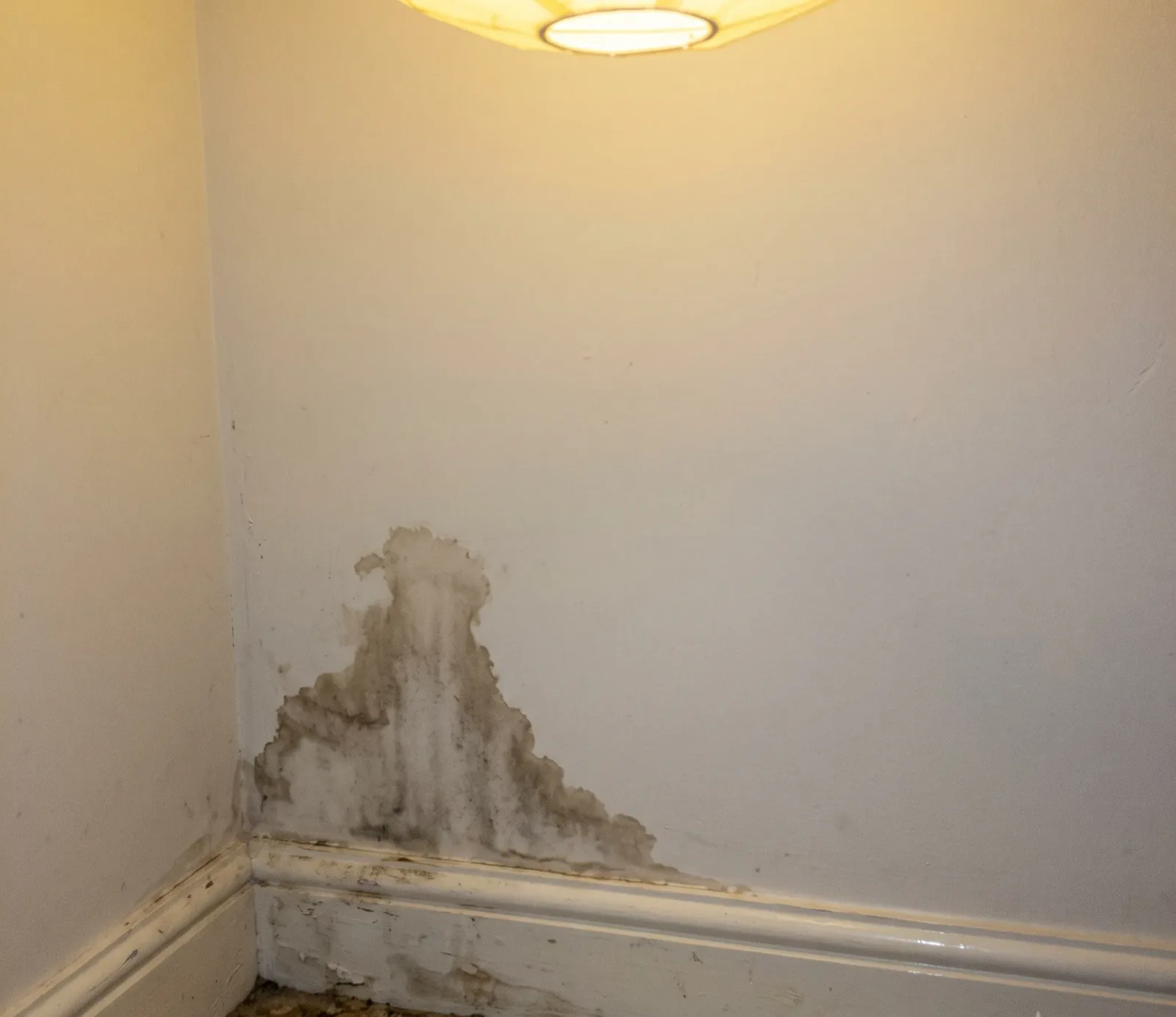
Central Texas humidity sits high through the warmer months, and a vented crawl space under an older Hyde Park or Clarksville home rarely dries out fully between rains, so damp framing stays damp longer than owners expect.
Crawl space mold in Austin grows where ground moisture and blocked vents keep humidity trapped against floor joists and insulation. Texas licenses this work under Chapter 1958: a mold assessor documents the growth, and a mold remediator removes and treats it, generally as two separate license holders on the same job.
Austin's slab foundations react to soil, not neighborhood lines. Clay under Rosedale or Cherrywood swells after rain and shrinks in August drought, and that movement opens cracks a slab leak slips through unnoticed for weeks.
A musty smell rising through floor vents usually means moisture is sitting in the crawl space below, often from poor drainage or a slow plumbing leak. A mold assessor can confirm the source before it spreads further.
Insulation sagging or darkened under the subfloor has absorbed moisture from the crawl space air and likely supports growth already. Affected batts usually need removal, which is remediation work, not a simple dry-out.
Standing water after a rain means the crawl space grading or vents aren't shedding water the way they should, keeping framing wet long after the storm passes. That standing moisture is what lets growth take hold.
White fuzz on a floor joist is active colonization on porous wood, and it usually extends further along the beam than what's visible from the access hatch. Don't disturb it before an assessor documents it.
Buckling floors above the crawl space point to the subfloor absorbing moisture from below over time, which weakens the material and gives growth a foothold. The moisture source needs fixing along with the affected wood.
Austin's clay soil holds water long after rain, and a crawl space sits directly against that ground. Older homes in areas like Clarksville or North Loop, built with pier-and-beam foundations and vented underfloor spaces, were designed for airflow that landscaping and additions have since blocked.
A hard freeze like Winter Storm Uri can burst a pipe running through a crawl space, and standing water there goes unnoticed for weeks in a space nobody checks regularly. By the time a musty smell reaches the floor above, growth has often spread across joists near Mueller or Govalle homes.
A hard freeze like Winter Storm Uri catches pipes across Austin off guard, and older plumbing in Clarksville or Rosedale often has the least protection against it. A burst line during a freeze can run for hours before anyone's home to notice.
Crawl space mold is often mistaken for ordinary soil dampness, since bare dirt floors under pier-and-beam homes always look and smell damp. Actual growth shows as discolored patches that don't dry out with the ground around them. Homeowners often mistake dirt daubing or old dust on crawl space framing for active growth, since both look dark in a flashlight beam. Dust wipes off dry and stays gone. Active microbial growth usually has texture, spreads unevenly across grain lines, and often carries a musty smell that dust does not. A mold assessor can confirm which one is present before any work is planned.
A mold assessor inspects the crawl space directly, checking vents, ground moisture, ductwork, and the condition of insulation and framing. They take relative humidity readings and document how far growth has spread across joists, subfloor, and any stored materials, then produce a report describing what needs remediation before work begins.
The licensed pros we connect you with then set up containment at the crawl space entry, remove affected insulation and any porous material that cannot be cleaned, and treat the remaining wood surfaces. Post-remediation verification, typically by a separate assessor, confirms the space is clear before insulation goes back in.
Limestone sits close to the surface west of Interstate 35, while Blackland Prairie clay dominates east toward Mueller and Windsor Park. That clay swells after rain and pulls back as it dries, working against slab foundations year after year until a crack finally lets water reach the underside.
| Who Shows Up | Damage We Address |
|---|---|
| A slab crack in Tarrytown or Hyde Park does not announce itself. Clay soil under the foundation shifts with rain, and water finds the gap weeks before a stain shows on the carpet or baseboard inside. | Onion Creek and Shoal Creek rise fast after Hill Country storms, and homes near Mueller or East Cesar Chavez can see water at the door within an hour. Slab foundations mean that water spreads across floors immediately, with no basement to slow it down first. |
| Austin's flood risk isn't a coastline problem, it's a grading problem. Water crossing Shoal Creek or Waller Creek during Hill Country storms backs into low-lying yards near Travis Heights and Mueller before it ever reaches a wall. Add a post-tension slab losing its seal, and moisture gets inside without a single pipe failing. | A downpour that swells Boggy Creek or the Colorado River can trap runoff against a slab edge faster than gutters carry it away. Homes closer to Montopolis or Windsor Park feel this first, since grading there sends water toward the foundation instead of past it. |
| Clay soil under Travis Heights shifts through wet and dry spells, opening gaps beneath post-tension slabs that plumbing leaks slip through unnoticed. Winter adds a second threat: pipes near Waller Creek can split open once temperatures drop hard and fast. | Waller Creek and Shoal Creek both cross Austin's central grid, and a fast summer storm can push either one over its banks near Hyde Park or Allandale within an hour. Slab foundations sit low to that grade, so runoff finds a door before anyone gets home. |
Texas licenses mold work under Occupations Code Chapter 1958, administered by TDLR. A person or company needs a Mold Assessment license or a Mold Remediation license to work on Austin homes, and generally cannot hold and use both on the same crawl space job. A 2025 law change removed an automatic exemption for supervised employees of a license holder, so more workers now need direct licensing. Small-scale exemptions exist for minor projects and property-owner self-work. For a crawl space under a Travis Heights or Rosedale home, that split means the person who assesses the growth is not supposed to be the same company that removes it.
Left alone, mold in a crawl space spreads across the underside of subfloor sheathing, floor joists, and any insulation batts hung between them. Fiberglass insulation holds moisture rather than shedding it, so a damp batt becomes a long-term feeding ground for growth rather than drying out on its own. Ductwork running through the space can develop surface growth on the outside of the wrap, and support posts or beams start to soften where dampness sits against wood over months. A musty smell often works its way up through the flooring into rooms above before any visible damage appears.
A crawl space is tight, dark, and hard to inspect thoroughly, so a homeowner rarely sees the full spread of growth on subfloor or insulation. Wiping a visible patch with a household cleaner does nothing about ground moisture still rising underneath, and disturbing affected material without containment can push spores up into living space through subfloor gaps. Once growth covers insulation or structural wood, this is not a wipe-down job.
Crawl space mold shows up under pier-and-beam homes common in older Austin neighborhoods like Hyde Park and Clarksville, where a vented underfloor void sits close to Central Texas humidity and shallow soil moisture. Poor airflow under the house lets damp ground air linger against joists and subfloor, and a slab leak or clay soil movement nearby can push extra moisture upward without anyone noticing until flooring or baseboards show staining. Because the space is enclosed and rarely inspected, moisture intrusion can sit for weeks. This can affect indoor air quality drawn up into living areas above, and some people report irritation, though we make no claim about a specific health outcome. A licensed mold assessor determines whether growth is present before any remediation plan gets written.
Standing water near a Hyde Park crawl space or a Circle C Ranch slab only gets worse overnight. Call and get a licensed pro dispatched now.Water that sits for days near Zilker or Hyde Park can turn a drying job into a mold job. Once growth starts, TDLR-licensed mold remediation is priced apart from extraction and drying. Ask for both numbers in writing before the licensed pros in Austin start work. pricing guide, and the service that handles this is Mold Remediation.
Mold Assessment & Remediation. Drywall mold in an Austin home usually comes from a slow leak, high indoor humidity, or a past flood that never fully dried behind the wall.
Mold Under Flooring. Mold under flooring in Austin usually means water got beneath the covering and stayed there, from a slab crack, an appliance line, or a floor laid back down over a subfloor that was never dry.
Austin Attic Mold. Attic mold in Austin usually starts at a roof leak, at a blocked condensate line, or in an attic that cannot shed the humidity it takes on through the summer.
No. Texas requires separate Mold Assessment and Mold Remediation licenses through the state licensing agency, and one company generally cannot hold and act on both roles on the same crawl space project. An assessor documents the growth under the house; a different licensed remediator then handles the removal and post-remediation verification.
Ground moisture rising through an unsealed dirt or gravel floor, combined with blocked foundation vents, keeps humidity trapped underneath the house. Ductwork or an air handler running through the crawl space adds condensation on top of that, especially in older homes around Hyde Park or Brentwood with original vented underfloor construction.
Not reliably. A musty smell reaching a Cherrywood or Windsor Park living room often means growth somewhere below, but pinpointing the exact joist or insulation section requires a mold assessor to physically inspect the crawl space with humidity readings, not just a smell test from inside the house.
Smell is usually the first tell, and it gets stronger in the rooms directly above rather than at the vents. After that, look for insulation batts sagging away from the subfloor, dark patches creeping along joists past the original damp spot, and flooring overhead that feels softer than it used to. A moisture reading taken on the subfloor from below settles it better than a look does.
Austin's east side sits on Blackland Prairie clay that expands after rain near Boggy Creek and Waller Creek, then pulls back tight once the ground dries out. That constant shift stresses a slab foundation until a seam finally opens under the tile.
Call (512) 764-6583