Austin homeowners searching this term are usually staring at water spreading from under a washing machine or pooling near a dishwasher, wondering if it is safe to mop up or something more. Category 2 gray water means the source carries soap, food particles, or other household residue, not just plumbing-clean water. That distinction changes what happens next in a Travis County home.
What Gray Water Actually Means
A category 2 loss starts with water that picked up something along the way. A washing machine that backs up during the cycle, a dishwasher hose that lets go under the sink, or a toilet overflow with no solid waste all fall into this middle tier. Austin homes on slab foundations often route these lines through walls and cabinets, so the leak spreads sideways before anyone notices it.
Washing Machine Overflow
A washing machine overflow usually starts with a clogged drain hose, a failed inlet valve, or a supply line that gives out mid-cycle. The water carries detergent residue and whatever soil was in the load itself. On a slab foundation, that water doesn't pool in a basement, it spreads across tile or hardwood and works into baseboards before anyone in the house notices.
Dishwasher Leaks Under Cabinets
A dishwasher leak rarely announces itself right away. A cracked hose or a bad door seal lets water pool under cabinets in an Austin kitchen for hours before anyone notices the floor feels soft. That clean-up delay is exactly why the contamination level rises the longer the water sits, soaking into particleboard and baseboards nobody checked that morning.
Sink Overflow As A Source
The contamination level matters more than the puddle size. Soap residue, food particles, and grease carried by a dishwasher leak give bacteria something to feed on immediately, unlike a clean supply-line break. That is why a sink overflow from standing dishwater gets classified the same way a washing machine backup does, even when the water looks fairly ordinary sitting on an East Austin kitchen floor.
Why Contamination Level Matters
The contamination level is what separates what gets dried in place from what gets removed. Clean water from a supply line break lets carpet pad and drywall often be saved. Gray water pushes that decision the other way for absorbent materials, since chemical contaminants and organic matter inside it don't rinse out with a fan and an open window.
How Fast Bacteria Take Hold
Category describes the water on the day it arrives; it is not a permanent label. The S500 standard treats contamination as something that climbs with time and temperature, and a Central Texas summer supplies a good deal of both. Left sitting, a category two loss goes on feeding on the soap and food residue already carried in it, and the same twenty-four to forty-eight hour window that governs mold applies here as well.
What Clean-Up Delay Costs
Waiting is what turns a drying job into a demolition job. Caught the same day, carpet pad and the lower foot of drywall can often be dried where they are. Left across a weekend in a South Austin or Cherrywood kitchen, that same material leaves in bags, the cabinet toe kicks come off with it, and a few days of equipment becomes a rebuild an insurer wants documented line by line.
Degradation Of Materials Over Time
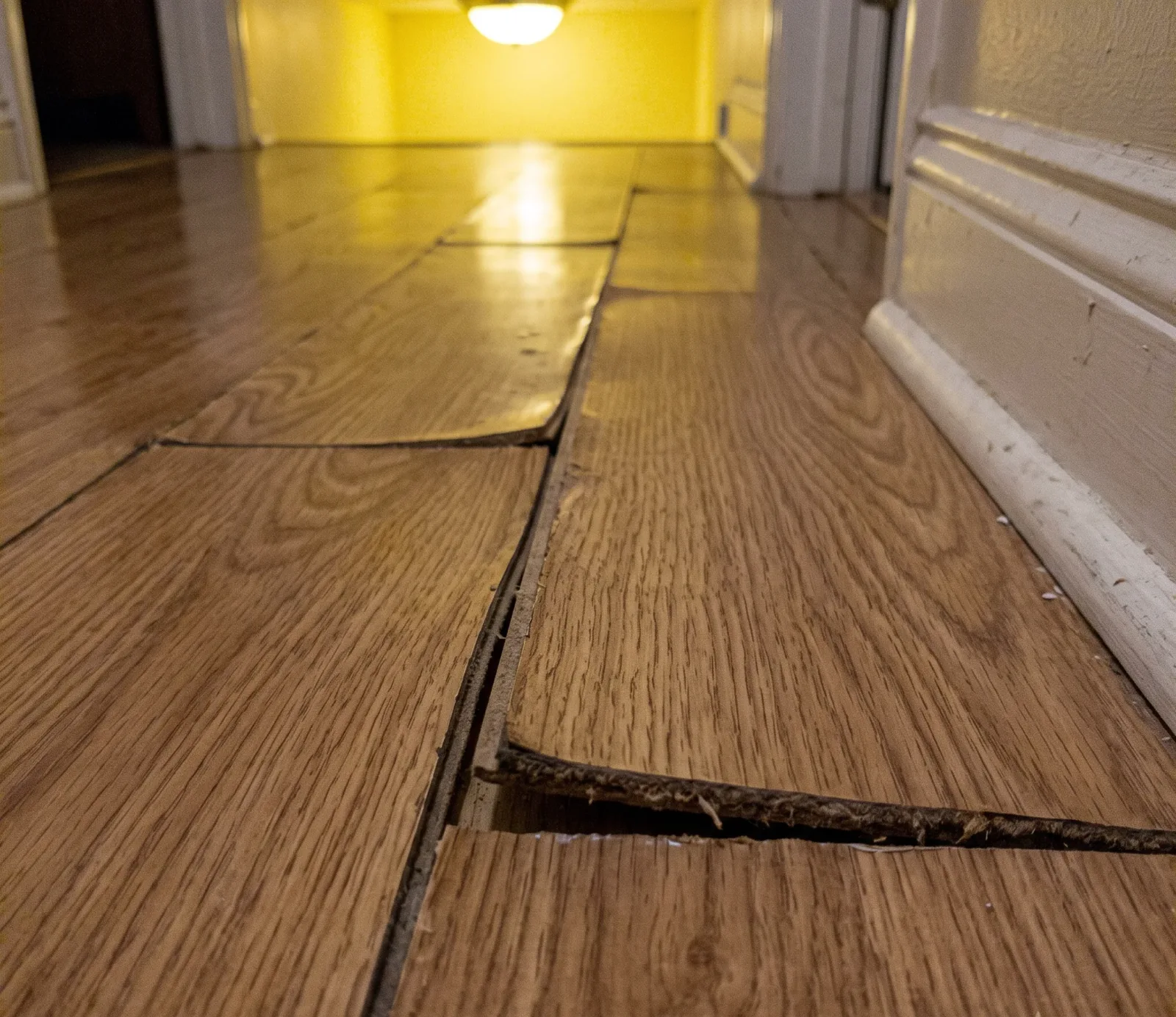
Degradation happens fastest in materials built to hold water: carpet pad, particleboard cabinet boxes, and MDF baseboards common in newer Austin construction. Gray water speeds this along, since the organic material in soap and food residue feeds the same growth that plain water alone would take longer to support. A cabinet base near Circle C Ranch or Avery Ranch can soften within a day of sitting wet.
What To Do Before Help Arrives
Shut off the water source first if it is still running, then unplug nearby appliances only if the outlet is reachable without standing in water. Keep kids and pets away from the area until it is checked. These steps matter whether the leak happened in a Clarksville bungalow or a Steiner Ranch kitchen, since gray water exposure carries the same risk either way.
When To Call For Testing
If the leak covered a wide area, or sat unnoticed for more than a few hours, a clean-up delay like that is worth having someone assess for contamination spread before drying begins. A small puddle caught right away in a Rosedale or Allandale kitchen behaves differently than water that soaked a cabinet base overnight near Lake Travis or Onion Creek.
Getting An Assessment Locally
None of this means a dishwasher leak in an East Austin kitchen is automatically a disaster. It means the gray water label carries real weight for how fast materials need attention and how a claim gets documented. A washing machine overflow near Mueller or South Congress starts the same way any greywater source does, as a contamination question, not a flooring question.
Dealing with this in your home?
Austin's clay soil expands after rain and pulls back tight in a hard freeze, so a post-tension slab near Zilker can crack years after the pour. Add Hill Country storms that dump inches in an hour, and Shoal Creek pushes water toward homes that never flooded before.