Water is moving across your floor in Austin and the licensed pros we connect you with are not there yet. The next few minutes decide how much of your home dries out clean and how much gets replaced. This checklist covers the shutoff valve, electrical hazard, standing water, and what to leave alone until someone trained gets there.
Find And Close The Shutoff Valve
If a supply line, water heater, or fixture is feeding the leak, find the shutoff valve and close it before doing anything else. Main shutoffs in Austin homes are often near the front hose bib or inside a utility closet. Closing it stops the volume of water from growing while you handle everything else.
Check For Electrical Hazard First
Before you step into standing water, look at the room for an electrical hazard. Outlets, power strips, and cords near the waterline can turn a flooded room into a shock risk. If you cannot reach the breaker panel from dry ground, stay out of the water and wait for someone who can shut off power safely.
Get People And Pets Clear
Move everyone, including pets, out of the affected room once the water source is off. Standing water hides slick tile, dropped items, and furniture legs that have shifted out of place. Austin homes on a slab foundation often have water spread fast and quiet across level flooring, so a room can look calmer than it is.
Move Wet Items To Higher Ground
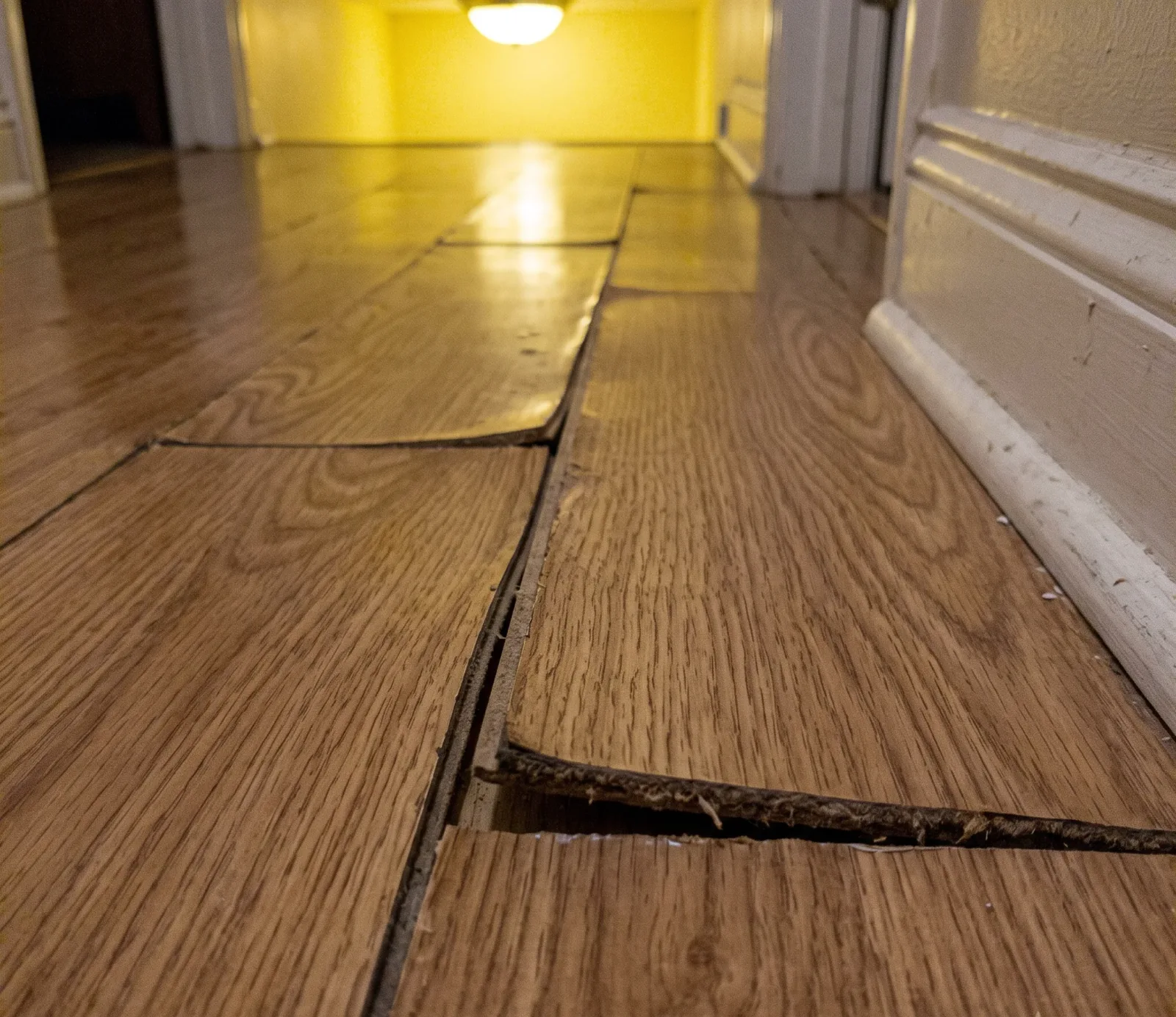
Carry rugs, boxes, and low furniture out of the wet area if it is safe to lift them. Wet items left sitting on a wet floor keep transferring moisture back into carpet pad and subfloor. In a Cherrywood or Hyde Park bungalow with original wood floors, getting furniture legs up off a soaked surface matters as much as moving the item itself.
Slide Foil Under Furniture Legs
Not all water sitting on an Austin floor is the same risk. A burst supply line is clean water, at least at first. A washing machine overflow or an aging appliance hose is closer to gray water, carrying soap and residue that raises the electrical hazard and skin-contact concern the moment you step into standing water.
Build A Photo Record Right Away
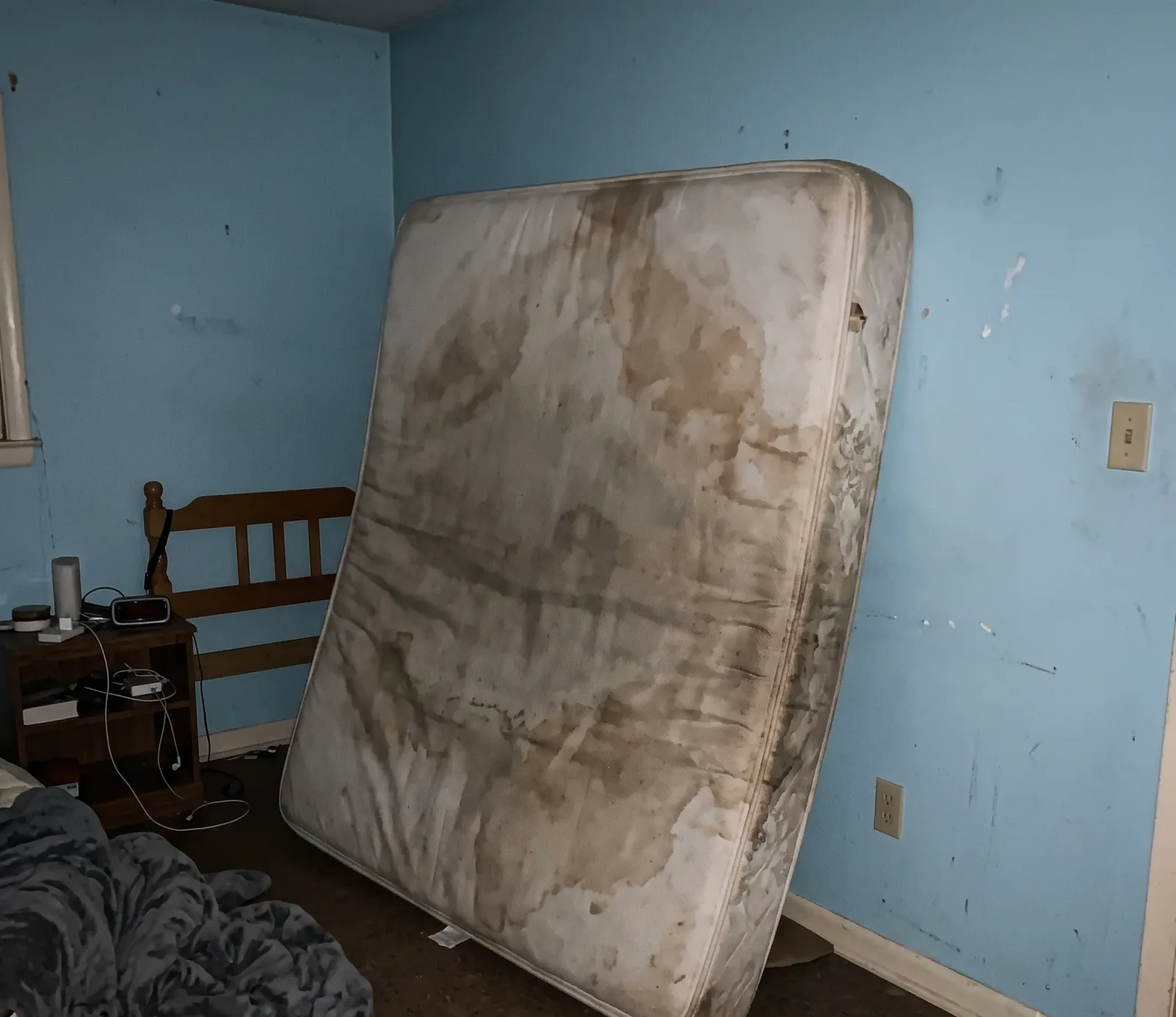
Once you know it is safe to move, start a photo record before touching wet items. Photograph the water line on drywall, soaked furniture legs, and anything electrical that sat in the puddle. Austin adjusters and the licensed pros you eventually call both work faster with this record, and it protects you if the loss grows overnight.
Open Windows If Weather Allows
If the outside air is dry and it is safe to do so, open windows and doors to start ventilation moving through the room. Central Texas humidity works against you once the air outside is also damp, so this step helps most on a clear day and does little during a soaking Hill Country storm.
Unplug And Leave Wet Appliances Off
If a shutoff valve is reachable and dry, close it before you do anything else. Leave any wet appliance unplugged only if you can reach the cord from dry ground; never lean into standing water for a plug. Grab safety gear like rubber boots or gloves if you have them, and open windows for ventilation while you wait.
Keep A Clear Path Through The House
Standing water on tile or wood floors in a West Campus rental or a South Austin house gets slippery fast. Mark or block off the wet area so family members are not walking through it blind. If a first responder needs to reach the room, a clear, marked path gets them there without adding another slip.
Watch Water Levels Outside Too
If the water problem started with rain and not a broken pipe, keep an eye on water outside the house, not just inside it. Flash flooding near Onion Creek or the Colorado River can keep rising well after the first water crossed your threshold. Do not assume the worst has passed just because the inside has stopped changing.
What To Leave For The Pros
Resist the urge to fix things yourself beyond this. Pulling up flooring, cutting into wet drywall near Congress Avenue rentals, or running a shop vacuum through deep water can hide damage a first responder or restoration tech needs to see. Skip the aluminum foil under furniture legs too; it traps moisture instead of stopping it.
Dealing with this in your home?
Austin's clay soil expands after rain and pulls back tight in a hard freeze, so a post-tension slab near Zilker can crack years after the pour. Add Hill Country storms that dump inches in an hour, and Shoal Creek pushes water toward homes that never flooded before.