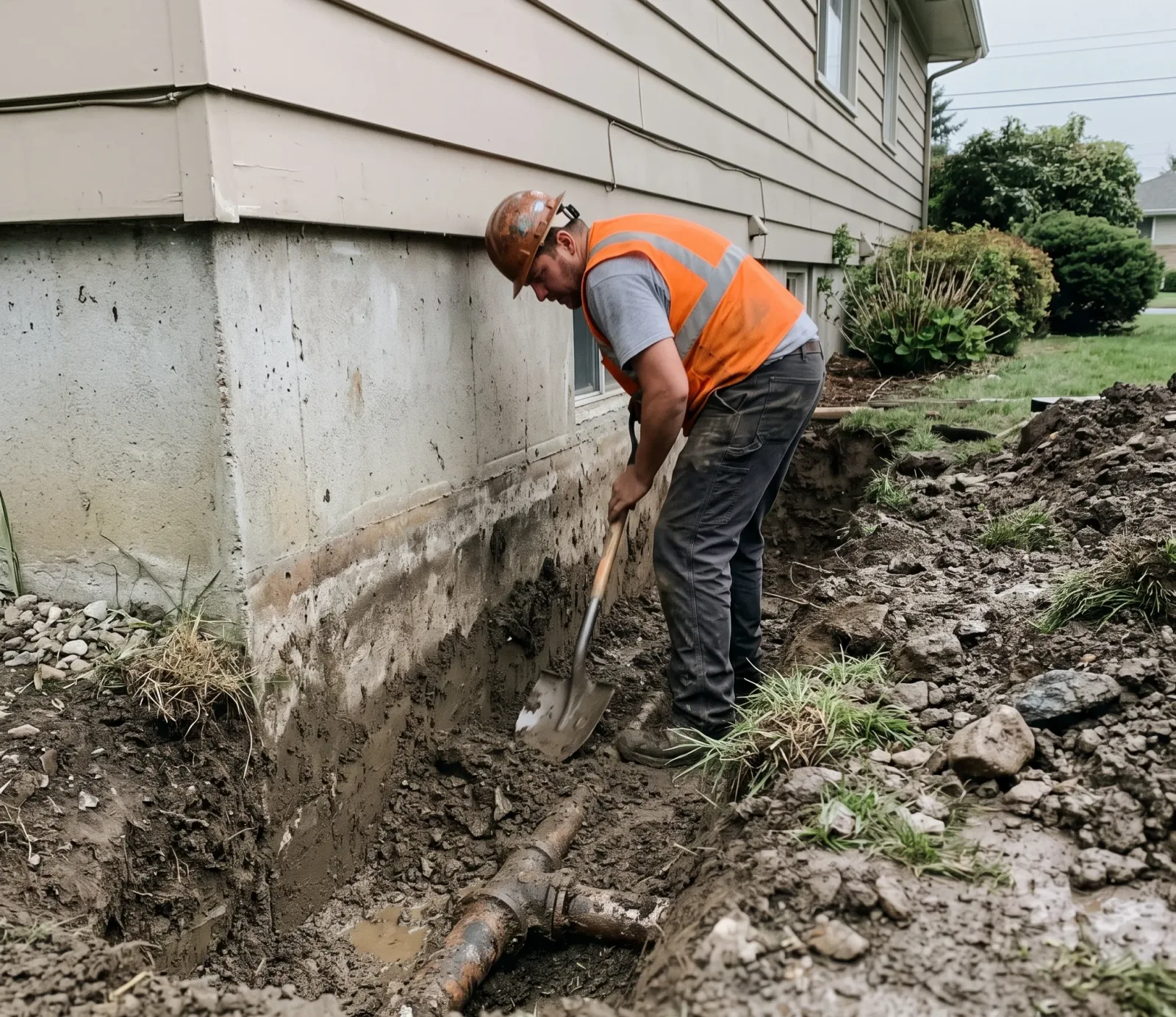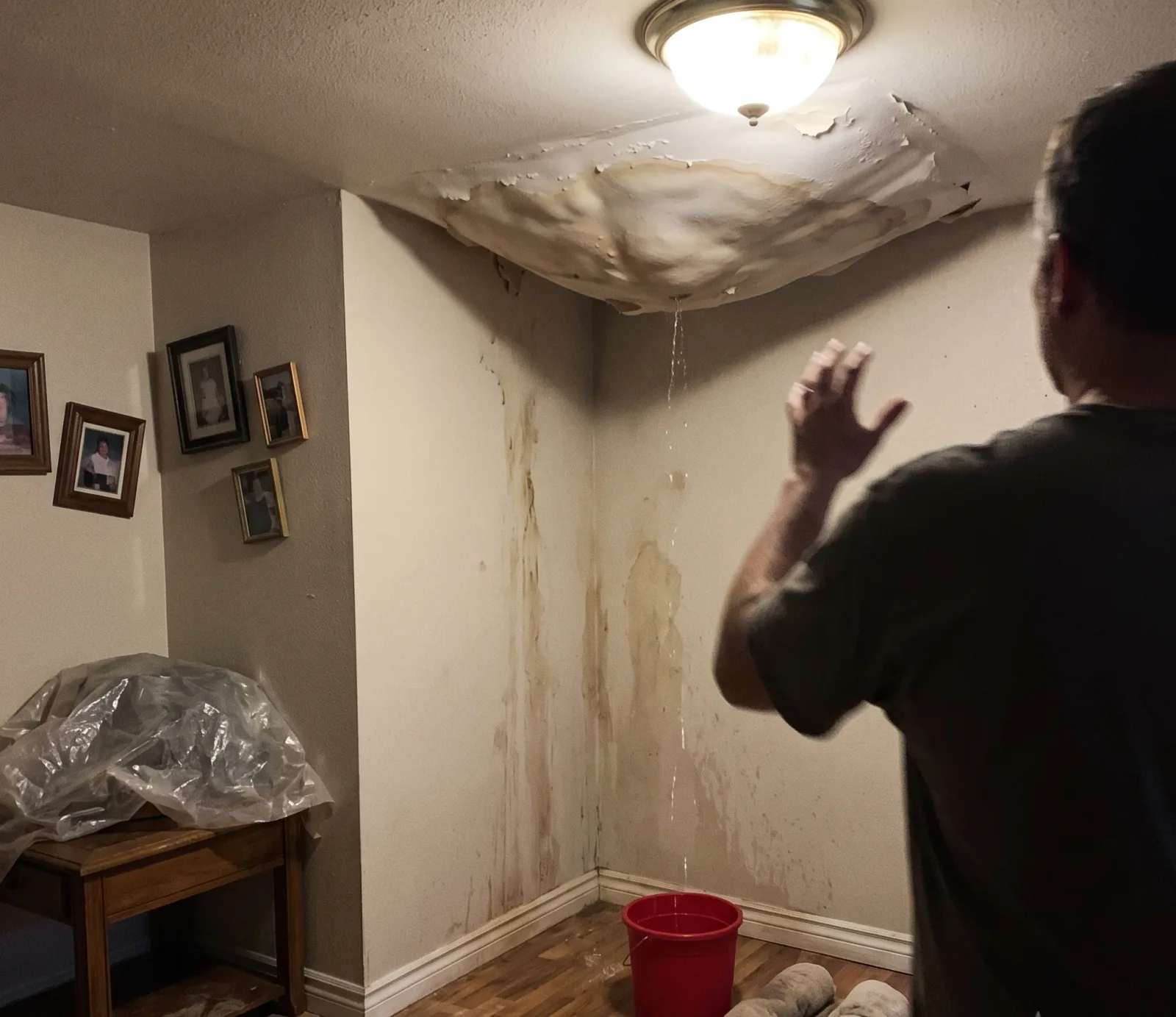
Selling an Austin home after past flooding or mold doesn't require walking away from the deal. Texas relies on the seller disclosure form to surface property history, and prior water intrusion counts as the kind of material defect a buyer needs to know before closing. Leaving it off invites a misrepresentation claim later. Buyers near Travis Heights or Mueller can still order an inspection report, weigh what they find, and choose an as-is sale with eyes open.
The Disclosure Form Itself
Texas uses a seller's disclosure notice built around yes-no-unknown boxes, not a paragraph of prose. A seller checking yes for prior water damage does not need to explain the whole event. The form exists so a buyer looking at a home in Hyde Park or Rosedale sees a flag and can ask follow-up questions before closing rather than after.
What Counts As Material
Not every drip belongs on the form. The law is aimed at material defects, meaning conditions that would matter to a buyer's decision or the home's safety, not routine wear. A slow-draining shower years ago is different from a slab leak that soaked framing in a Crestview home, or a roof leak that let water sit under drywall.
Why Mold History Gets Its Own Line
Mold sits on the disclosure form as its own item, separate from general water damage. A seller in Mueller or Windsor Park who had a remediation company treat a moldy wall years ago should mark that box, even if the wall looks fine now. Buyers weigh mold history differently than a one-time spill, and the form treats it that way too.
Latent Defects Versus What A Buyer Can See
A latent defect is a problem hidden from ordinary observation, like a leak inside a wall cavity in a South Austin house that never showed a stain. Texas disclosure law leans on what the seller actually knew, not what a buyer could have caught by looking. That gap is exactly why the written form matters more than a walkthrough.
Selling As-Is Does Not Erase The Form
An as-is sale means the seller won't make repairs, not that the seller can skip the paperwork. A homeowner near Clarksville selling as-is because a foundation repair after clay soil movement was never finished still has to disclose the prior damage. As-is changes who fixes the problem, not whether the buyer gets told about it.
What The Buyer's Inspection Adds
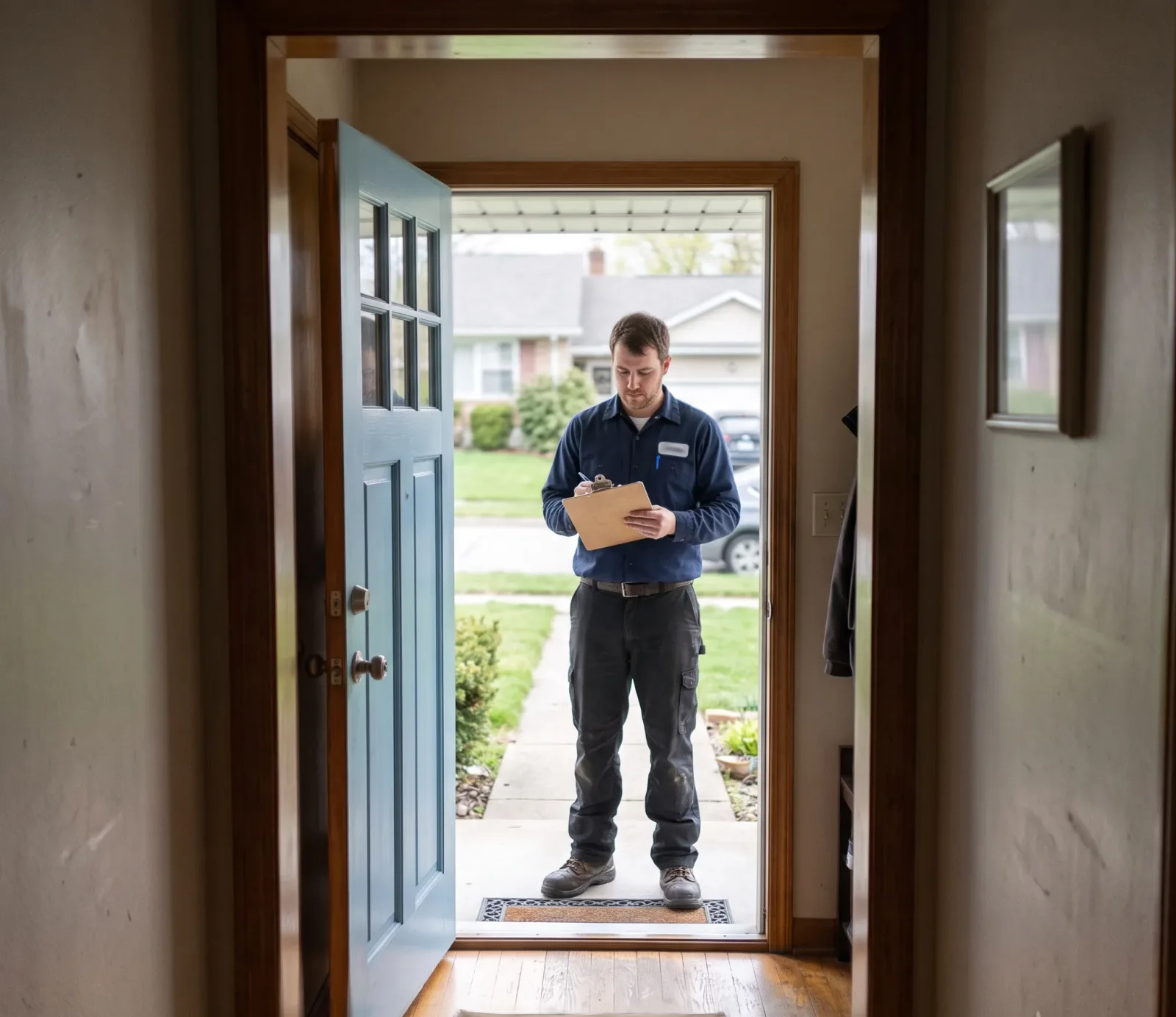
A buyer inspection is a separate layer from the seller's own disclosure. An inspector walking a home in Allandale or Brentwood might spot warped flooring or a musty smell the seller never mentioned. When the inspection report contradicts what the disclosure form said, that mismatch becomes the first thing a buyer's attorney will point to later.
Where Misrepresentation Starts
Misrepresentation is not about missing something by accident. It is about knowing a fact and leaving it off the form or actively denying it. A seller in East Austin who patched a ceiling stain and then wrote no water damage on the disclosure has crossed from omission into a false statement, and that distinction matters in a later dispute.
How Property History Follows The House
Property history does not vanish when a house changes hands. A prior owner's flood or a remediation job on a Travis Heights property can surface years later through old permits, neighbor records, or a buyer's own research. Disclosure forms are meant to put that history on the table early, before it becomes a surprise at closing.
What Happens If It Surfaces After Closing
When a buyer in Austin discovers undisclosed prior damage after closing, the real estate transaction itself doesn't unwind automatically. The seller's exposure depends on what they actually knew and failed to disclose. That's a legal question for an attorney, not a restoration question, and it sits outside anything a contractor or inspector settles on-site.
A Straightforward Way To Think About It
Strip away the legal language and the idea is simple. If a seller in Bouldin Creek or South Lamar knew about damage, mold, or a leak, it belongs on the form. The disclosure exists to give a buyer accurate footing before they commit to a house, not to protect the seller from an awkward conversation.
Questions Worth Asking Before You Sign Anything
None of this replaces a conversation with a real estate attorney or agent familiar with Austin transactions. A buyer reading a disclosure form that mentions prior water damage should ask when it happened, who repaired it, and whether records exist. A seller unsure what qualifies as material should ask before filling in the boxes, not after.
Dealing with this in your home?
Austin's clay soil expands after rain and pulls back tight in a hard freeze, so a post-tension slab near Zilker can crack years after the pour. Add Hill Country storms that dump inches in an hour, and Shoal Creek pushes water toward homes that never flooded before.