A homeowner comparing quotes in Austin after a slab leak or flash flood often sees the letters IICRC listed under a company name and assumes it means the same thing everywhere. It doesn't automatically mean the crew standing in your kitchen knows what they're doing. It means someone in that company sat for training tied to a private credentialing group.
What IICRC Actually Is
IICRC stands for a nonprofit group that writes trade standards and runs courses for people working in cleaning and restoration. It isn't a government office, and Texas doesn't require this credential to legally dry out a house in Austin or anywhere else. A tech earns it by attending class, passing a written test, and logging renewal hours later on.
A Credential, Not a License
Being IICRC certified is a credential, not a license to operate in Austin or Travis County. No city or state office issues it, and no government agency checks it before a company can advertise water damage work. That distinction matters when a quote leans hard on the term, because it describes training completed, not permission granted.
Technician Certification Explained
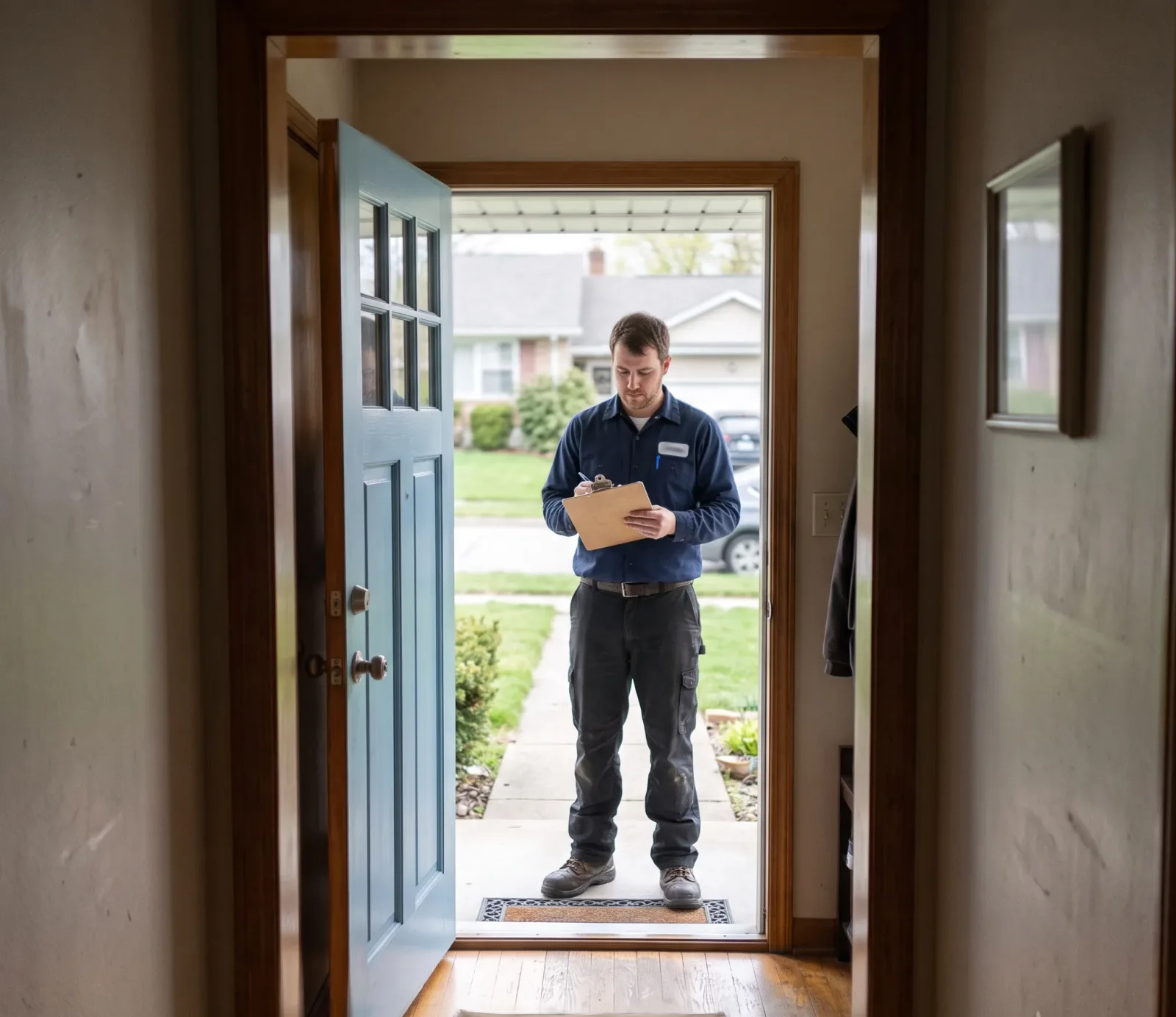
Here's the gap worth asking about directly: a firm can list itself as certified while only one employee ever completed the coursework, and that person might not be the one sent to your Cherrywood or Tarrytown address. Ask who on site holds the credential, not just whether the company's name appears on a directory somewhere.
Firm Certification Is Different
Firm certification is a separate status the company itself applies for, on top of any individual technician credentials. It usually requires a minimum number of certified technicians on staff, insurance on file, and an agreement to follow IICRC's code of ethics. A quote that says the firm is certified is making a claim about the business, not just the crew showing up.
The Written Exam Behind It
The written exam behind a technician credential covers material like moisture measurement, drying equipment, and contamination categories, but it is a closed-book test, not a field evaluation. Nobody watches the technician work a real job in South Austin or Mueller before the credential is issued. It confirms knowledge was tested, not that every job afterward goes the same way.
Continuing Education Requirements
Training hours and continuing education keep a credential current. IICRC courses expire on a set cycle, and a technician has to retake coursework to stay listed as certified. A homeowner comparing quotes in Hyde Park or Allandale can reasonably ask when a technician's training was last renewed, since a credential from years ago may not reflect current drying practice.
Where Texas Law Fits In
So what should actually change your mind between two quotes? Ask which specific person did the training, how recent their renewal hours are, and whether the firm itself carries a separate business-level credential apart from any one tech. A vague answer or a shrug tells you more than a logo on a truck ever will.
Reading a Quote for This
When comparing quotes for a flooded home near Shoal Creek or Lady Bird Lake, ask whether the certification named belongs to the technician assigned or just to the company in general. Ask which specific course was completed and when. A quote comparison gets more useful once the certification claim is tied to a name and a date, not left as a general label.
Certification Doesn't Guarantee Fit
A certified technician can still do careless work, and an uncertified one can still dry a house correctly. The credential shows a baseline of training was completed under IICRC's standard, nothing more. In Austin's clay-soil slab homes, where drying decisions matter for post-tension foundations, that baseline is worth knowing, but it is not a substitute for checking the actual work done.
Questions Worth Asking Directly
This page has not tried to explain what the IICRC S500 standard requires on a job site, since that is a separate document covering drying protocol and compliance detail. A homeowner in Circle C Ranch or Windsor Park who wants that level of detail should look at that standard directly rather than treat this explanation of the credential as a stand-in for it.
What This Guide Doesn't Cover
None of this tells a homeowner whether a specific company did good work on a specific job. Certification, licensing status, and quote comparison are starting points for a conversation, not a finished judgment. The next step is asking direct questions about the technician assigned, their training date, and whether the firm itself carries any certification beyond individual staff.
Dealing with this in your home?
Austin's clay soil expands after rain and pulls back tight in a hard freeze, so a post-tension slab near Zilker can crack years after the pour. Add Hill Country storms that dump inches in an hour, and Shoal Creek pushes water toward homes that never flooded before.