Central Texas humidity keeps AC units running nearly year-round, and every hour of runtime sends condensate down a PVC line toward a drain pan or floor drain. Skip maintenance long enough and that line clogs with algae and sediment, backing water up into the pan until it overflows. Austin's cedar fever season through the long summer means most homes never get a real break from cooling, so the drain line rarely gets a rest either.
Setting A Realistic Check Interval
A maintenance schedule isn't guesswork. Most manufacturers and HVAC techs recommend checking the condensate line every one to three months during heavy-use stretches, since Austin summers push units far past the occasional-use pace assumed in cooler climates. Homes in Circle C Ranch or Mueller running central air from March cedar season through October heat need that interval closer to monthly, not seasonal.
What A Quick Check Looks Like
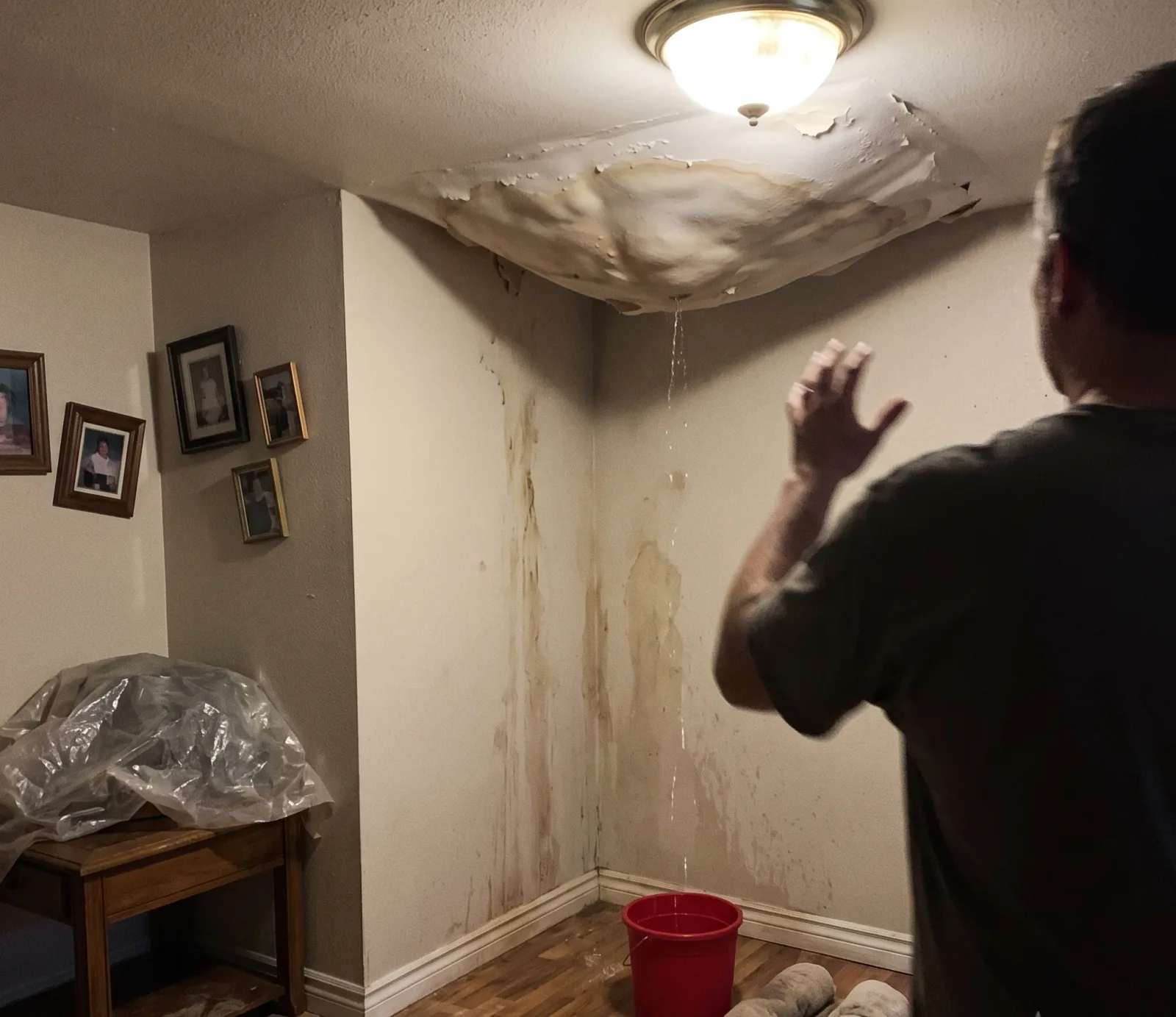
Homeowners in Cherrywood and Rosedale often check their ac unit's drain pan only after water shows up on the ceiling below. By then the condensate pan has usually spilled over already. A monthly glance at the pan, paired with a poured algae tablet, catches buildup before it turns into a soaked drywall problem in this Austin humidity.
Where Algae Tablets Fit In
Algae tablets, sometimes sold as drain pan tablets, drop into the pan and slow the biological growth that causes most clogs. They're not a substitute for physical cleaning, but dropping one in every one to two months stretches the interval between vacuum-outs. Homeowners in Windsor Park or Crestview who add a tablet each spring typically see fewer mid-summer shutdowns than those who skip the step entirely.
Vacuuming Out The Buildup
Vacuuming the line clears what tablets can't prevent. A wet/dry shop vacuum at the outdoor PVC opening pulls out sludge, algae, and insect debris that builds up over months of condensation. This takes fifteen minutes and no special tools. Homes near Allandale or Brentwood with older units and longer horizontal runs of PVC line tend to clog faster and benefit from vacuuming twice as often as newer installs.
The Evaporator Coil Connection
The evaporator coil sits upstream of all of this, and a dirty coil produces more condensate than a clean one, overwhelming even a clear line. Part of any real maintenance schedule includes a coil check alongside the drain pan, since the two problems compound each other. A unit working harder in a South Austin or Travis Heights home in August produces more water that the line has to move.
Why Seasons Work Differently Here
Seasonal timing matters more here than in places with a true winter shutdown. Austin units rarely sit idle long enough to dry out and reset the way they might further north, so the drain line accumulates buildup continuously rather than in short bursts. A schedule built around spring and fall alone, borrowed from a four-season climate, misses the steady summer stretch when Rosedale and Cherrywood households run cooling almost nonstop.
Attic Units Carry More Risk
Homes with the air handler in an attic, common in Northwest Hills and Great Hills, carry higher stakes when a line clogs, since overflow drips through ceiling drywall before anyone notices standing water. Attic units deserve a tighter inspection interval than a closet or garage unit where a pan overflow is visible immediately and contained to a small area.
Backup Pans And Second Switches
Newer construction in Avery Ranch or Steiner Ranch often includes a secondary drain pan with its own float switch as a backup layer, which buys some time if the primary line clogs. Older units without that backup rely entirely on the first switch catching the problem, which makes checking the primary line on schedule more important rather than less.
Keeping A Simple Written Log
A written log helps more than memory does. Jotting the date of each check, each tablet drop, and each vacuum-out on a sticker inside the utility closet turns a vague habit into a real schedule. Landlords managing rentals near Colony Park or Wells Branch benefit from this most, since a paper trail shows a tenant or inspector the unit wasn't neglected.
Signs The Interval Has Slipped
For a rental in Windsor Park or a house near Mueller, the schedule matters more once the ac unit runs nearly year-round through Austin's long cooling season. Checking the float switch and clearing the pvc line every few months, rather than once a summer, cuts the odds of an overflow reaching flooring or a ceiling below.
Where Annual Service Still Fits
None of this replaces an annual HVAC service visit, which usually includes a coil cleaning and a line flush beyond what a homeowner can do with a shop vacuum. Between those visits, though, the monthly or bimonthly check is what actually prevents the overflow that turns into a ceiling stain or a Central Texas humidity-driven mold problem in a Barton Hills or Zilker home.
Dealing with this in your home?
Austin's clay soil expands after rain and pulls back tight in a hard freeze, so a post-tension slab near Zilker can crack years after the pour. Add Hill Country storms that dump inches in an hour, and Shoal Creek pushes water toward homes that never flooded before.